
Early Retirement: Is It Right for You?
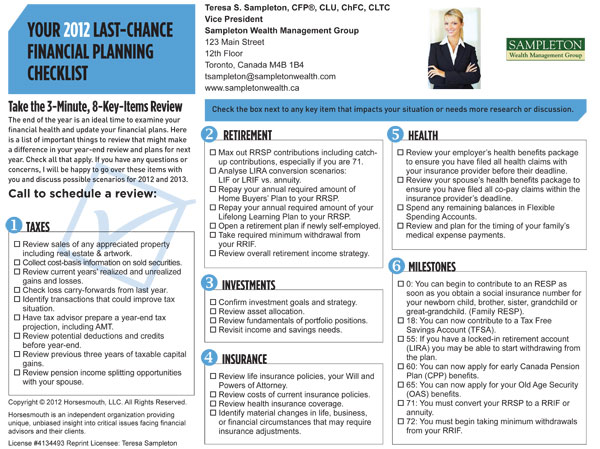
The allure of early retirement is strong. Imagine spending your days pursuing passions, traveling the world, or simply enjoying a slower pace of life. But before you pack your bags and bid farewell to the corporate world, it's crucial to have a solid plan in place. Early retirement isn't just about wishing; it's about careful planning and financial preparedness. This early retirement planning checklist will help you assess your readiness and navigate the complexities of leaving the workforce sooner than expected.
Step 1: Define Your "Why" and Envision Your Retirement
Before diving into numbers, take some time for introspection. Why do you want to retire early? What do you envision your retirement looking like? This clarity will be your guiding star throughout the planning process.
Identifying Your Retirement Goals
Are you dreaming of traveling extensively? Starting a new business? Volunteering your time? Spending more time with family? Each of these scenarios has different financial implications. Be specific about your goals to accurately estimate your retirement expenses.
Visualizing Your Daily Life
Think about your daily routine. What activities will fill your days? Will you need to relocate? Will you be spending more money on hobbies and entertainment? Create a mental picture of your ideal retirement life to get a better sense of your needs and desires.
Step 2: Assess Your Current Financial Situation
A realistic assessment of your current finances is the foundation of any successful early retirement plan. This involves understanding your assets, liabilities, income, and expenses.
Calculate Your Net Worth
Start by calculating your net worth. This is the difference between your assets (what you own) and your liabilities (what you owe). Assets include your savings, investments, real estate, and other valuable possessions. Liabilities include mortgages, loans, and credit card debt.
Track Your Spending
Understanding your current spending habits is crucial for estimating your future retirement expenses. Track your spending for a few months to identify where your money is going. Use budgeting apps, spreadsheets, or even a simple notebook to keep track of your expenses. Categorize your spending into essential (housing, food, transportation) and discretionary (entertainment, travel, dining out) categories.
Step 3: Estimate Your Retirement Expenses
Accurately estimating your retirement expenses is arguably the most challenging part of early retirement planning. You need to consider both your current expenses and how they might change in retirement.
Projecting Future Costs
Consider how your expenses will change in retirement. Some expenses may decrease (e.g., commuting costs, work-related clothing expenses), while others may increase (e.g., healthcare costs, travel expenses). Don't forget to factor in inflation, which can erode the purchasing power of your savings over time. A common rule of thumb is to estimate needing 70-80% of your pre-retirement income to maintain your current lifestyle.
Healthcare Costs
Healthcare is a significant expense in retirement, especially if you're retiring early and won't be eligible for Medicare right away. Research your options for health insurance coverage, such as COBRA, the Affordable Care Act (ACA) marketplace, or private health insurance plans. Factor in premiums, deductibles, co-pays, and out-of-pocket expenses.
Long-Term Care Planning
Consider the possibility of needing long-term care in the future. Long-term care costs can be substantial, and it's important to have a plan in place to cover these expenses. Options include long-term care insurance, self-funding, or relying on government assistance programs.
Step 4: Determine Your Retirement Income Sources
Once you have a good estimate of your retirement expenses, you need to determine where your retirement income will come from. This includes savings, investments, pensions, Social Security, and any other sources of income.
Retirement Savings and Investments
Calculate how much you have saved in retirement accounts, such as 401(k)s, IRAs, and other investment accounts. Consider the potential growth of these investments over time, taking into account your risk tolerance and investment strategy. Use retirement calculators to project the future value of your investments.
Social Security Benefits
Estimate your Social Security benefits. You can use the Social Security Administration's website to get an estimate of your future benefits based on your earnings history. Keep in mind that claiming Social Security benefits early will reduce your monthly payments.
Pension Income
If you have a pension from a previous employer, determine the amount of your monthly pension payments and when you will be eligible to receive them.
Other Income Sources
Consider any other sources of income you may have in retirement, such as rental income, royalties, or income from a part-time job or business.
Step 5: Create a Retirement Budget and Financial Plan
With a clear understanding of your expenses and income sources, you can create a retirement budget and financial plan. This plan should outline how you will manage your finances in retirement and ensure that you have enough money to cover your expenses.
Developing a Withdrawal Strategy
Determine a sustainable withdrawal strategy from your retirement savings. A common rule of thumb is the 4% rule, which suggests withdrawing 4% of your retirement savings in the first year of retirement and then adjusting that amount each year for inflation. However, this rule may not be suitable for everyone, and it's important to consider your individual circumstances and risk tolerance.
Contingency Planning
Prepare for unexpected expenses and financial emergencies. Set aside an emergency fund to cover unexpected costs, such as medical bills, home repairs, or car repairs. Consider purchasing insurance to protect against unforeseen events, such as disability or long-term care needs.
Step 6: Consult with a Financial Advisor
Planning for early retirement can be complex, and it's often beneficial to consult with a qualified financial advisor. A financial advisor can help you assess your financial situation, develop a retirement plan, and make informed decisions about your investments.
Finding the Right Advisor
Look for a financial advisor who is experienced in retirement planning and who understands your goals and risk tolerance. Ask for referrals from friends, family, or colleagues. Be sure to check the advisor's credentials and background before hiring them.
Step 7: Revisit and Adjust Your Plan Regularly
Retirement planning is an ongoing process, and it's important to revisit and adjust your plan regularly. Your circumstances may change over time, and you need to make sure that your plan is still aligned with your goals. Review your plan at least once a year, or more frequently if there are significant changes in your life, such as a job loss, a change in health, or a major market downturn.

0 Comments