
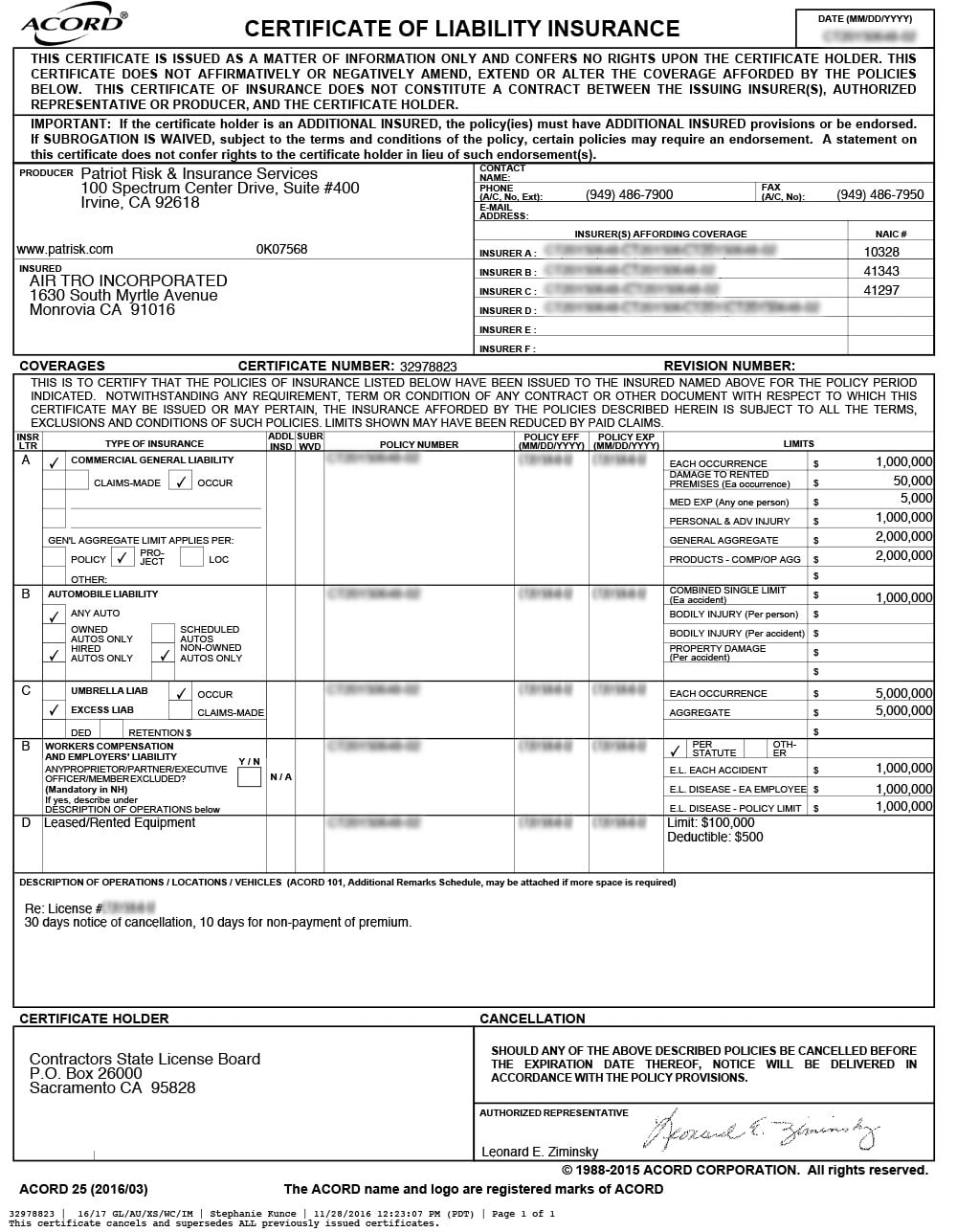
What is General Liability Insurance?
General Liability Insurance, often referred to as Commercial General Liability (CGL) insurance, is a crucial type of business insurance that protects your business from financial losses if you're found legally responsible for bodily injury or property damage to a third party. It's designed to cover costs associated with lawsuits, settlements, and medical expenses resulting from accidents that occur on your business premises or are caused by your business operations.
Why is General Liability Insurance Important?
Imagine a customer slips and falls in your store, injuring themselves. They could sue you for medical expenses, lost wages, and pain and suffering. Without general liability insurance, your business would be responsible for paying these costs out of pocket, which could be financially devastating, especially for small businesses. This insurance provides a safety net, allowing you to focus on running your business without the constant worry of potentially crippling lawsuits.
Here are some specific reasons why general liability insurance is so important:
- Protection Against Lawsuits: It covers the cost of defending your business in court, including attorney fees and court costs, regardless of whether you win or lose the lawsuit.
- Coverage for Medical Expenses: It pays for medical bills if someone is injured on your property or due to your business operations.
- Property Damage Coverage: It covers the cost of repairing or replacing damaged property caused by your business.
- Peace of Mind: Knowing you have general liability insurance provides peace of mind, allowing you to focus on growing your business.
- Requirement for Contracts: Many contracts, especially those with landlords or other businesses, require you to have general liability insurance.
What Does General Liability Insurance Cover?
A general liability insurance policy typically covers the following:
Bodily Injury
This covers medical expenses, lost wages, and other damages if someone is injured on your business property or due to your business operations. This can include slip and falls, injuries caused by your products, or injuries sustained during a business event.
Property Damage
This covers the cost of repairing or replacing property that is damaged as a result of your business operations. For example, if a delivery driver damages a customer's fence while making a delivery, this coverage would help pay for the repairs.
Personal and Advertising Injury
This covers claims of libel, slander, copyright infringement, and other similar offenses that may arise from your advertising or marketing activities. It protects your business from lawsuits related to reputational harm or intellectual property violations.
Medical Payments
This covers medical expenses for injuries sustained on your business premises, regardless of fault. This can help avoid lawsuits by providing immediate coverage for minor injuries.
Damage to Premises Rented to You
This covers damage to a property you rent, such as an office or store, if the damage is caused by fire, lightning, explosion, or other covered perils. This coverage is often limited to a specific amount and may not cover all types of damage.
What Doesn't General Liability Insurance Cover?
While general liability insurance provides broad coverage, it's important to understand what it doesn't cover. Common exclusions include:
Employee Injuries
Injuries to your employees are typically covered by workers' compensation insurance, not general liability insurance.
Professional Liability (Errors and Omissions)
If you provide professional services, such as consulting or accounting, you'll need professional liability insurance (also known as errors and omissions insurance) to protect against claims of negligence or errors in your services.
Intentional Acts
General liability insurance doesn't cover damages caused by intentional acts or criminal behavior.
Auto Accidents
Accidents involving your business vehicles are covered by commercial auto insurance, not general liability insurance.
Product Recall
The costs associated with recalling a defective product are not typically covered by general liability insurance. Product recall insurance can provide this coverage.
Cyber Liability
Data breaches and cyberattacks are not covered by general liability insurance. Cyber liability insurance is needed to protect your business from these risks.
Factors Affecting General Liability Insurance Cost
The cost of general liability insurance varies depending on several factors, including:
Business Type and Industry
Businesses in high-risk industries, such as construction or manufacturing, will typically pay higher premiums than businesses in lower-risk industries, such as consulting.
Business Size and Revenue
Larger businesses with higher revenue generally pay more for general liability insurance because they have a greater potential for claims.
Coverage Limits
Higher coverage limits will result in higher premiums. It's important to choose coverage limits that adequately protect your business from potential losses.
Deductible
A higher deductible will lower your premium, but you'll have to pay more out of pocket if you have a claim.
Location
Businesses in areas with higher rates of litigation or property damage may pay higher premiums.
Claims History
Businesses with a history of claims will typically pay higher premiums.
How to Get General Liability Insurance
Getting general liability insurance is a straightforward process:
- Assess Your Needs: Determine the coverage limits you need based on your business type, size, and risk factors.
- Shop Around: Get quotes from multiple insurance companies to compare prices and coverage options.
- Work with an Agent: Consider working with an independent insurance agent who can help you find the best coverage at the best price.
- Review the Policy: Carefully review the policy to ensure you understand the coverage, exclusions, and terms and conditions.
Understanding Policy Limits and Deductibles
It's crucial to understand the policy limits and deductibles associated with your general liability insurance policy. Policy limits are the maximum amount the insurance company will pay for a covered claim. Deductibles are the amount you'll have to pay out of pocket before your insurance coverage kicks in.
Policy Limits
General liability insurance policies typically have two types of limits: per-occurrence limits and aggregate limits. The per-occurrence limit is the maximum amount the insurance company will pay for a single covered incident. The aggregate limit is the maximum amount the insurance company will pay for all covered incidents during the policy period.
Deductibles
The deductible is the amount you'll have to pay out of pocket before your insurance coverage kicks in. A higher deductible will lower your premium, but you'll have to pay more out of pocket if you have a claim. It's important to choose a deductible that you can comfortably afford.
General Liability Insurance vs. Other Types of Business Insurance
General liability insurance is just one type of business insurance. Other important types of business insurance include:
Workers' Compensation Insurance
This covers medical expenses and lost wages for employees who are injured on the job.
Commercial Auto Insurance
This covers accidents involving your business vehicles.
Professional Liability Insurance (Errors and Omissions)
This covers claims of negligence or errors in your professional services.
Cyber Liability Insurance
This covers data breaches and cyberattacks.
Property Insurance
This covers damage to your business property, such as buildings, equipment, and inventory.

0 Comments