
Understanding Early Retirement Pension Benefits
Early retirement is a dream for many, offering the opportunity to pursue passions, travel, or simply enjoy a more relaxed pace of life. However, navigating the complexities of pension benefits when considering early retirement can be daunting. This guide provides a comprehensive overview of early retirement pension benefits, helping you understand your options and make informed decisions about your financial future.
Pension plans are designed to provide income during retirement, typically beginning at a standard retirement age. Early retirement, however, allows individuals to access these benefits before reaching that age, often with certain stipulations and adjustments. Understanding these nuances is crucial for successful retirement planning.
What is Considered Early Retirement?
The definition of "early retirement" varies depending on the specific pension plan. Generally, it refers to retiring before the standard retirement age outlined in your pension plan documents. This age is frequently 65, but it can range from 60 to even younger, depending on the plan and the industry.
Many employers offer early retirement packages as part of workforce restructuring or downsizing initiatives. These packages may include enhanced pension benefits, severance pay, and continued health insurance coverage. It's essential to carefully evaluate these offers, considering both the immediate financial implications and the long-term impact on your retirement income.
How Early Retirement Affects Your Pension Benefits
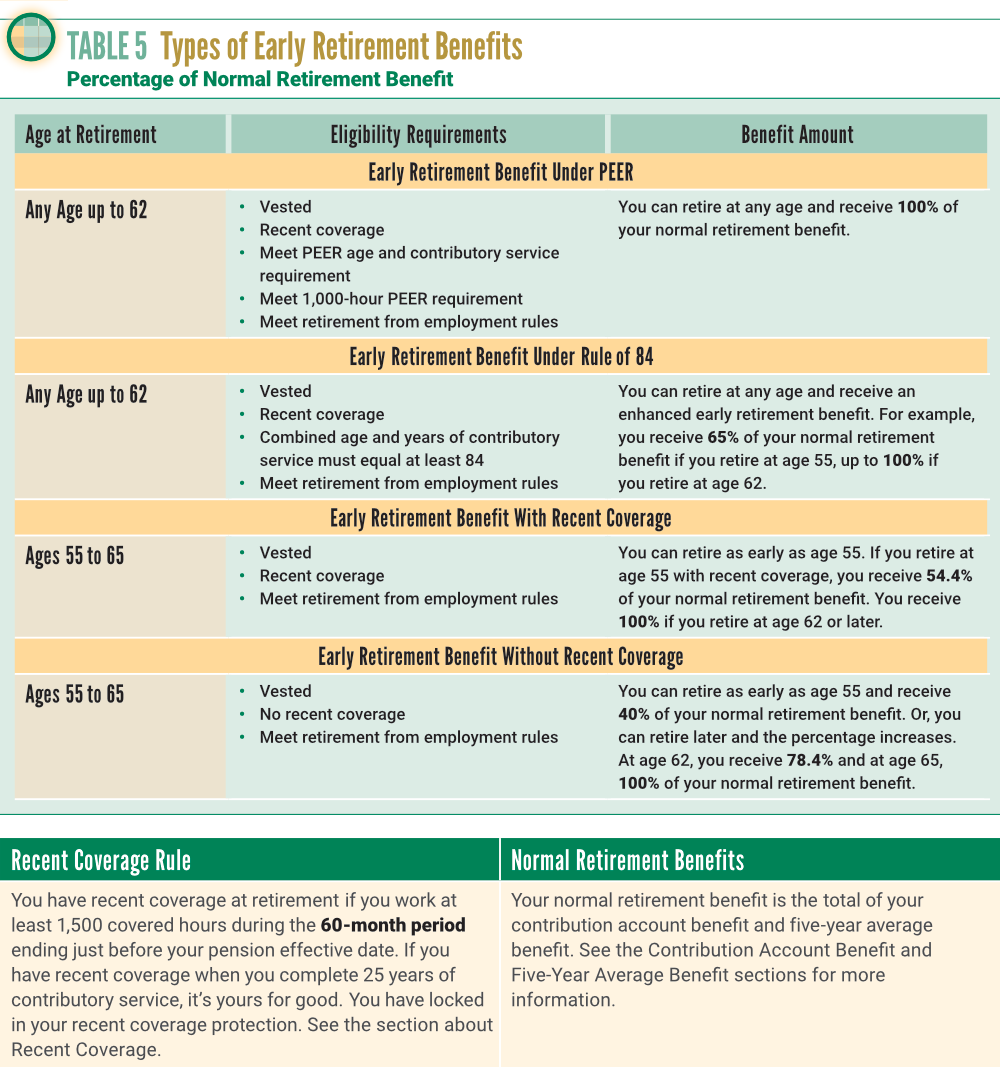
Choosing to retire early typically affects your pension benefits in several ways. The most significant impact is usually a reduction in the monthly benefit amount. This reduction is due to two primary factors:
- Reduced Service Credit: Retiring earlier means you have fewer years of service credited towards your pension. Pension benefits are often calculated based on years of service, so a shorter career translates to a smaller benefit.
- Actuarial Reduction: Pension plans often apply an actuarial reduction to early retirement benefits to account for the longer period the benefits will be paid. This reduction ensures the plan remains financially sustainable.
The specific reduction formula varies widely across different pension plans. Some plans use a fixed percentage reduction per year of early retirement, while others employ more complex calculations based on age and years of service. It's crucial to understand the exact formula used by your plan to accurately estimate your early retirement benefits.
Calculating Your Early Retirement Benefits
The best way to determine your estimated early retirement benefits is to request a benefit statement from your pension plan administrator. This statement will provide an estimate of your monthly benefit amount at various retirement ages, allowing you to compare the benefits of retiring at different points in time.
You can also use online pension calculators and financial planning tools to estimate your benefits. These tools typically require information about your salary, years of service, and the specific terms of your pension plan. While these tools can provide a helpful estimate, it's always best to consult with a qualified financial advisor for personalized guidance.
Factors to Consider Before Taking Early Retirement
Deciding whether to take early retirement is a complex decision that requires careful consideration of various factors. Here are some key areas to evaluate:
- Financial Security: Can you afford to retire early? Assess your savings, investments, and other sources of income to determine if you have sufficient funds to cover your expenses throughout retirement.
- Healthcare Costs: Healthcare expenses tend to increase with age. Consider how you will pay for health insurance and other medical costs in early retirement.
- Lifestyle: What are your plans for retirement? Will you travel, pursue hobbies, or volunteer? Factor in the costs associated with your desired lifestyle.
- Longevity: How long do you expect to live? A longer life expectancy means you'll need more retirement income.
- Taxes: Understand the tax implications of early retirement, including the taxation of pension benefits and other retirement income.
Exploring Your Options: Beyond Pension Benefits
While pension benefits are a crucial component of retirement income, it's important to consider other sources of income and assets that can support your early retirement. These may include:
- Social Security: You can begin receiving Social Security benefits as early as age 62, but your benefit amount will be reduced compared to waiting until your full retirement age.
- Savings and Investments: Retirement accounts like 401(k)s and IRAs can provide a significant source of income in early retirement.
- Part-Time Work: Working part-time can supplement your retirement income and provide a sense of purpose and social interaction.
- Other Assets: Real estate, investments, and other assets can be liquidated to generate income in retirement.
Seeking Professional Advice
Navigating the complexities of early retirement pension benefits can be challenging. Consulting with a qualified financial advisor is highly recommended. A financial advisor can help you assess your financial situation, develop a retirement plan, and make informed decisions about your pension benefits.
They can also help you understand the tax implications of early retirement and develop strategies to minimize your tax burden. Furthermore, they can assist you in managing your investments and ensuring your portfolio is aligned with your retirement goals.
Remember, early retirement is a significant life decision. By carefully considering your options and seeking professional advice, you can increase your chances of a financially secure and fulfilling retirement.

0 Comments