
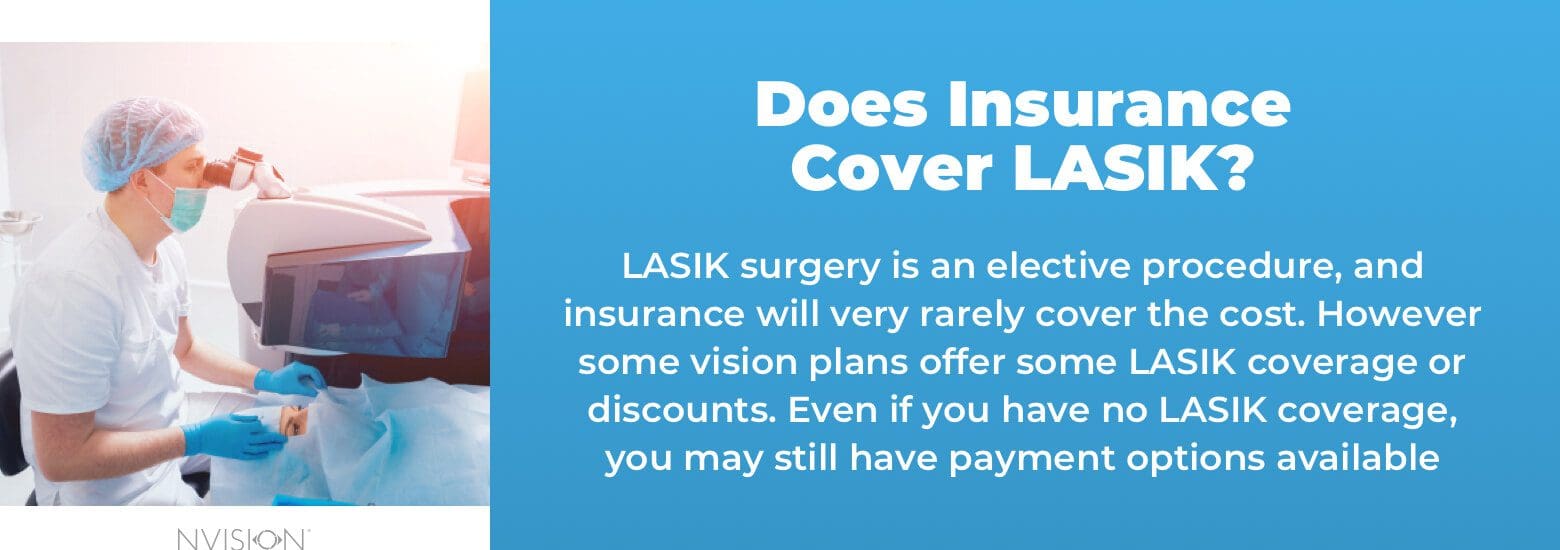
Understanding Vision Insurance and LASIK Coverage
LASIK (Laser-Assisted In Situ Keratomileusis) is a popular vision correction surgery that can reduce or eliminate the need for glasses or contacts. However, the cost of LASIK can be a significant factor for many people. This is where vision insurance comes in. Understanding how vision insurance works with LASIK coverage is crucial for making informed decisions about your eye health and budget.
Does Vision Insurance Cover LASIK?
The short answer is: it depends. While some vision insurance plans offer discounts or partial coverage for LASIK, others may not cover it at all. It's important to carefully review your specific plan details to understand the extent of your coverage.
Why LASIK Coverage Varies
Vision insurance plans are primarily designed to cover routine eye exams, eyeglasses, and contact lenses. LASIK, being an elective surgical procedure, is often treated differently. Insurance companies may view LASIK as an optional procedure, rather than a medical necessity, leading to limited or no coverage in some plans.
Types of Vision Insurance and LASIK Coverage
There are several types of vision insurance plans, each with varying levels of LASIK coverage. Here's a breakdown of common types:
Vision Benefits Packages (VBPs)
VBPs are often offered by employers as part of their benefits packages. These plans typically cover routine eye exams, eyeglasses, and contact lenses. While some VBPs may offer discounts on LASIK through a network of providers, they rarely provide full coverage. The discount can range from 10% to 20% off the standard LASIK price.
Vision Insurance Plans with LASIK Discounts
Some vision insurance companies offer plans specifically designed to provide discounts on LASIK. These plans may have higher premiums than basic VBPs, but the potential savings on LASIK could offset the increased cost, especially if you are seriously considering the procedure. These plans often require you to use a specific network of LASIK providers to qualify for the discount.
Medical Insurance and LASIK
In rare cases, medical insurance may cover LASIK if it's deemed medically necessary. This typically occurs when vision problems are caused by a medical condition or injury. For example, if cataracts develop after LASIK, treatment for the cataracts might be covered by medical insurance. However, for elective LASIK to correct refractive errors like nearsightedness, farsightedness, or astigmatism, medical insurance usually doesn't provide coverage.
How to Find Vision Insurance with LASIK Coverage
If you're interested in LASIK and want to find vision insurance that can help offset the cost, here are some steps you can take:
Review Your Existing Vision Insurance Plan
Start by carefully reviewing your current vision insurance policy documents. Look for information about LASIK coverage, discounts, or exclusions. Contact your insurance provider directly to clarify any questions you may have. Don't rely solely on summaries; get the full policy details.
Shop Around for Vision Insurance Plans
If your current plan doesn't offer adequate LASIK coverage, shop around for other vision insurance options. Compare plans from different providers, focusing on those that explicitly mention LASIK discounts or coverage. Consider the monthly premiums, copays, and deductibles to determine the overall cost-effectiveness of each plan.
Consider a Standalone LASIK Discount Program
Even without vision insurance, you may be able to access LASIK discounts through standalone programs offered by LASIK providers or third-party organizations. These programs often negotiate discounted rates with LASIK surgeons, making the procedure more affordable. Research these options and compare them to the discounts offered through vision insurance plans.
Ask Your LASIK Provider About Financing Options
Many LASIK providers offer financing options to help patients manage the cost of the procedure. These options may include payment plans or financing through third-party lenders. Explore these options to see if they can make LASIK more accessible to you. Be sure to carefully review the terms and conditions of any financing agreement before signing up.
Questions to Ask Your Vision Insurance Provider About LASIK Coverage
When contacting your vision insurance provider, be sure to ask these important questions:
Does my plan cover LASIK?
The most fundamental question. Get a clear yes or no answer.
If LASIK is covered, what percentage or dollar amount will my plan pay?
Understand the extent of the coverage. Is it a percentage discount or a fixed dollar amount?
Are there any restrictions on the LASIK provider I can use?
Many plans require you to use an in-network provider to qualify for coverage or discounts.
Is there a waiting period before I can use my LASIK benefits?
Some plans may have a waiting period before you can access LASIK benefits.
What is the process for submitting a claim for LASIK?
Understand the claims process to ensure you receive the benefits you're entitled to.
Factors Affecting LASIK Cost
The cost of LASIK can vary depending on several factors, including:
The LASIK Technology Used
Different LASIK technologies, such as femtosecond lasers and wavefront-guided LASIK, can affect the price. More advanced technologies may come with a higher price tag.
The Surgeon's Experience and Reputation
Experienced and reputable LASIK surgeons may charge more for their services. However, choosing a qualified and experienced surgeon is crucial for achieving the best possible results.
The Location of the LASIK Center
LASIK costs can vary depending on the geographic location of the LASIK center. Prices may be higher in major metropolitan areas.
The Complexity of Your Vision Correction Needs
If you have complex vision correction needs, such as high levels of nearsightedness or astigmatism, the cost of LASIK may be higher.
Alternative Ways to Save on LASIK
Even if your vision insurance doesn't offer significant LASIK coverage, there are other ways to save on the procedure:
Health Savings Account (HSA) or Flexible Spending Account (FSA)
If you have an HSA or FSA, you can use pre-tax dollars to pay for LASIK. This can significantly reduce your out-of-pocket costs.
Promotional Offers and Discounts
Many LASIK providers offer promotional offers and discounts throughout the year. Keep an eye out for these deals to save money on the procedure.
Negotiate with Your LASIK Provider
Don't be afraid to negotiate with your LASIK provider. They may be willing to offer a discount or payment plan to make the procedure more affordable.

0 Comments