
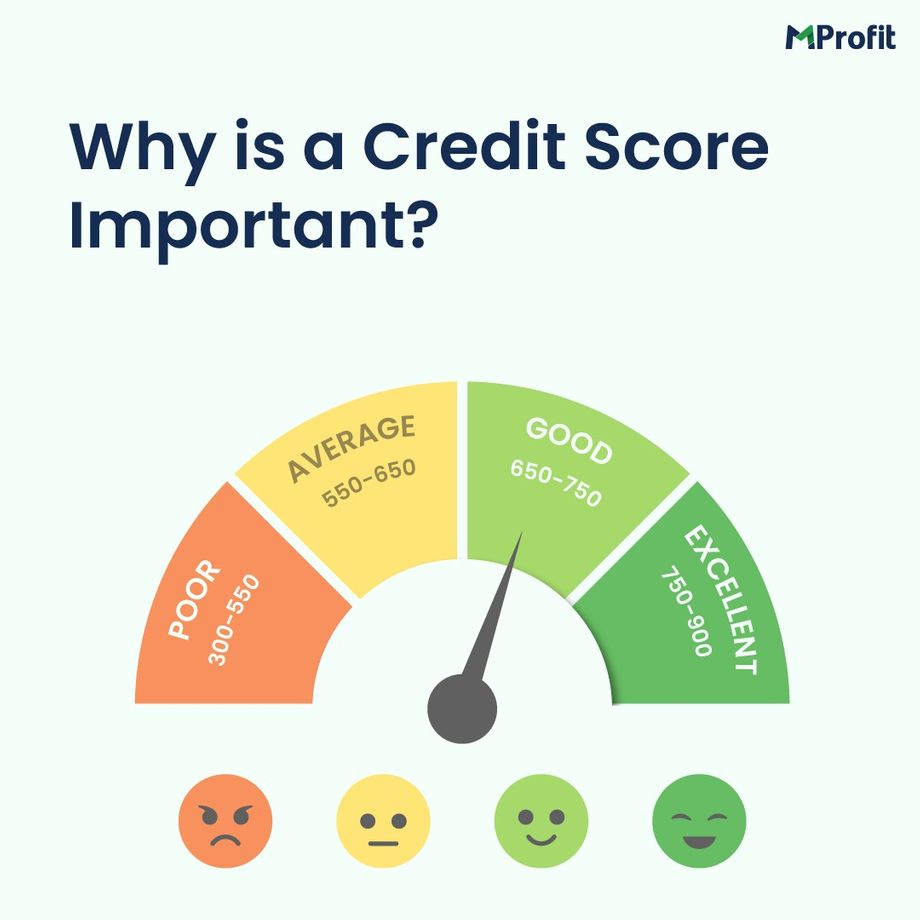
What is a Credit Report and Why Should You Care?
A credit report is a detailed record of your credit history. It includes information about your borrowing and repayment habits, such as credit cards, loans, and other lines of credit. Think of it as a financial report card that lenders use to assess your creditworthiness. Understanding your credit report is crucial because it significantly impacts your ability to access credit, secure favorable interest rates, and even rent an apartment or get a job.
Key Components of a Credit Report
Your credit report contains various types of information, each playing a role in shaping your overall credit profile. Let's break down the key components:
Personal Information
This section includes your name, address, Social Security number (SSN), and date of birth. It's essential to ensure this information is accurate, as errors can lead to identity theft or inaccurate credit scoring.
Credit Accounts
This is the heart of your credit report. It lists all your open and closed credit accounts, including credit cards, auto loans, mortgages, and student loans. For each account, the report shows:
- Account Type: The type of credit (e.g., credit card, installment loan).
- Credit Limit/Loan Amount: The maximum amount you can borrow or the original loan amount.
- Balance: The current amount you owe.
- Payment History: A record of your payments, including whether they were made on time. This is the most critical factor influencing your credit score.
Public Records
This section includes information from public records, such as bankruptcies, foreclosures, lawsuits, and tax liens. These records can significantly negatively impact your credit score.
Collections Accounts
If you fail to pay a debt, the creditor may sell it to a collection agency. This collection account will appear on your credit report and can remain there for several years.
Credit Inquiries
Each time you apply for credit, the lender makes a "hard inquiry" on your credit report. Too many hard inquiries in a short period can lower your credit score. "Soft inquiries," such as those made by employers or for pre-approved credit card offers, do not affect your score.
How Your Credit Report Affects Your Life
Your credit report has a far-reaching impact on various aspects of your life. Here's how:
Loan Approvals and Interest Rates
Lenders use your credit report to assess the risk of lending you money. A good credit report increases your chances of getting approved for loans, such as mortgages, auto loans, and personal loans. Moreover, it allows you to qualify for lower interest rates, saving you a significant amount of money over the life of the loan. A poor credit report can result in loan denial or higher interest rates, making borrowing more expensive.
Credit Card Applications
Similar to loans, credit card companies rely on your credit report to determine your creditworthiness. A strong credit report increases your chances of getting approved for credit cards with better rewards, lower interest rates, and higher credit limits. A weak credit report may lead to rejection or approval for cards with unfavorable terms.
Renting an Apartment
Landlords often check your credit report to assess your ability to pay rent on time. A good credit report demonstrates responsible financial behavior, increasing your chances of securing an apartment. A poor credit report may raise concerns about your ability to meet your financial obligations, potentially leading to rejection or requiring a higher security deposit.
Employment Opportunities
Some employers, especially those in finance or security-sensitive industries, may check your credit report as part of the hiring process. They are looking for signs of financial responsibility and trustworthiness. While it's illegal in some states to deny employment solely based on credit history, a poor credit report can raise red flags for potential employers.
Insurance Premiums
In some states, insurance companies use credit-based insurance scores, which are derived from your credit report, to determine your insurance premiums. A good credit score can lead to lower insurance rates, while a poor credit score may result in higher premiums.
How to Obtain Your Credit Report
You are entitled to a free credit report from each of the three major credit bureaus – Equifax, Experian, and TransUnion – once every 12 months. You can request your free credit reports through AnnualCreditReport.com, a website authorized by federal law.
AnnualCreditReport.com
This is the official website to obtain your free credit reports. You can request all three reports at once or stagger them throughout the year to monitor your credit more frequently.
Directly from Credit Bureaus
You can also contact Equifax, Experian, and TransUnion directly to request your credit reports. Their contact information is readily available online.
How to Review and Dispute Errors on Your Credit Report
Once you receive your credit report, it's crucial to review it carefully for any errors or inaccuracies. Common errors include:
- Incorrect Personal Information: Misspelled names, incorrect addresses, or wrong Social Security numbers.
- Inaccurate Account Information: Accounts that don't belong to you, incorrect balances, or inaccurate payment history.
- Duplicate Accounts: The same debt listed multiple times.
- Outdated Information: Negative information that should have been removed.
Disputing Errors
If you find any errors on your credit report, you have the right to dispute them with the credit bureaus. Here's how:
- Gather Documentation: Collect any documents that support your claim, such as payment records, account statements, or court documents.
- Write a Dispute Letter: Clearly explain the error and why you believe it's inaccurate. Include copies of your supporting documentation.
- Send the Dispute Letter: Send the dispute letter to the credit bureau via certified mail with return receipt requested. This provides proof that the credit bureau received your dispute.
- Follow Up: The credit bureau has 30 days to investigate your dispute. They will contact the creditor to verify the information.
- Review the Results: Once the investigation is complete, the credit bureau will send you the results. If the error is verified, they will correct it on your credit report. If the error is not verified, you have the right to add a statement to your credit report explaining your side of the story.
Tips for Maintaining a Healthy Credit Report
Maintaining a healthy credit report is an ongoing process. Here are some tips to help you build and maintain good credit:
Pay Your Bills on Time
Payment history is the most significant factor influencing your credit score. Always pay your bills on time, every time. Consider setting up automatic payments to avoid missing deadlines.
Keep Credit Card Balances Low
Your credit utilization ratio, which is the amount of credit you're using compared to your total available credit, is another important factor. Aim to keep your credit card balances below 30% of your credit limit. Ideally, keep it below 10%.
Avoid Opening Too Many Accounts at Once
Opening multiple credit accounts in a short period can lower your credit score. Each application results in a hard inquiry on your credit report.
Monitor Your Credit Report Regularly
Check your credit report regularly for errors and signs of identity theft. You can use your free annual credit reports to monitor your credit throughout the year.
Become an Authorized User
If you have a friend or family member with a good credit history, ask if you can become an authorized user on their credit card. Their positive payment history can help improve your credit score.

0 Comments