
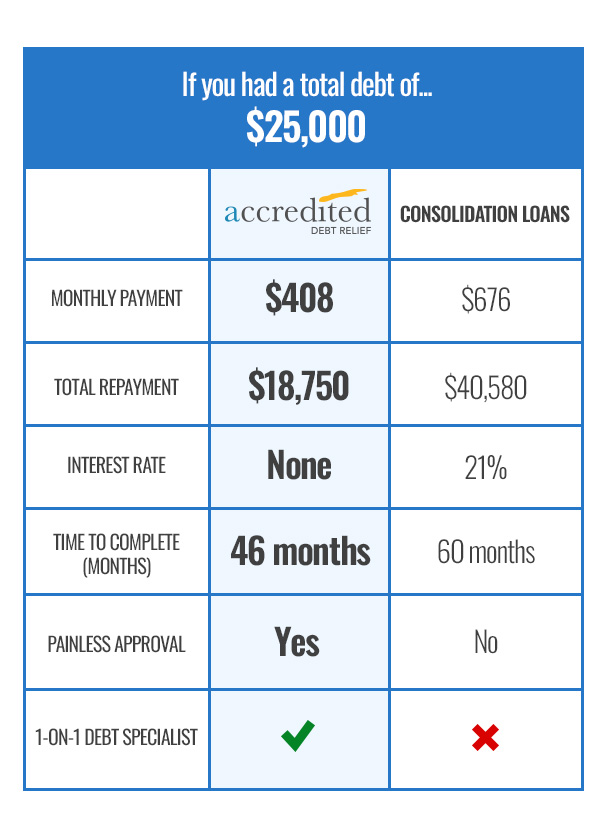
What are Debt Consolidation Loan Rates?
Debt consolidation loan rates are the interest rates charged on a loan specifically designed to combine multiple debts into a single, more manageable payment. These loans can be a powerful tool for individuals struggling with high-interest debt from credit cards, personal loans, or other sources. The goal is to secure a lower interest rate than you're currently paying across all your debts, ultimately saving you money and simplifying your finances.
Why Debt Consolidation Loan Rates Matter
The interest rate you secure on a debt consolidation loan is crucial because it directly impacts the total cost of your loan and your monthly payments. A lower interest rate translates to less money spent on interest over the life of the loan. This can free up cash flow, allowing you to pay down your debt faster and achieve financial freedom.
Factors Influencing Debt Consolidation Loan Rates
Lenders consider several factors when determining the interest rate for a debt consolidation loan. Understanding these factors can help you prepare and potentially improve your chances of securing a favorable rate.
Credit Score
Your credit score is one of the most significant factors. A higher credit score typically indicates a lower risk to the lender, resulting in a lower interest rate. Lenders use credit scores to assess your creditworthiness and predict your likelihood of repaying the loan on time. Aim to improve your credit score before applying for a debt consolidation loan to access better rates.
Credit History
Beyond your credit score, lenders also examine your credit history. This includes the length of your credit history, the types of credit accounts you have, and your payment history. A history of on-time payments and responsible credit management demonstrates to lenders that you are a reliable borrower.
Debt-to-Income Ratio (DTI)
Your debt-to-income ratio (DTI) is the percentage of your gross monthly income that goes towards paying your debts. A lower DTI indicates that you have more disposable income and are less likely to struggle with repayments. Lenders prefer borrowers with lower DTIs, as it suggests a greater capacity to handle the new loan.
Loan Amount
The amount you borrow can also influence your interest rate. Larger loan amounts may sometimes come with slightly higher interest rates, as they represent a greater risk for the lender. However, this isn't always the case, and sometimes larger loans can have better rates due to economies of scale for the lender.
Loan Term
The loan term, or the length of time you have to repay the loan, also affects the interest rate. Shorter loan terms typically have lower interest rates because the lender is exposed to less risk over a shorter period. Conversely, longer loan terms often come with higher interest rates to compensate for the increased risk.
Type of Loan (Secured vs. Unsecured)
Debt consolidation loans can be secured or unsecured. Secured loans are backed by collateral, such as a home or car, while unsecured loans are not. Secured loans often have lower interest rates because the lender has recourse to seize the collateral if you default. Unsecured loans, on the other hand, typically have higher interest rates to reflect the increased risk for the lender.
Prevailing Market Conditions
Broader economic factors, such as interest rate trends and the overall economic climate, can also influence debt consolidation loan rates. When interest rates are generally low, debt consolidation loan rates are also likely to be lower. Keep an eye on market trends to identify favorable times to apply for a loan.
Types of Debt Consolidation Loans and Their Rates
Several types of debt consolidation loans are available, each with its own characteristics and rate structures.
Personal Loans
Personal loans are a common option for debt consolidation. They are typically unsecured loans with fixed interest rates and repayment terms. Interest rates on personal loans can vary widely depending on the factors mentioned above, but they can be a good option for consolidating credit card debt or other unsecured debts.
Home Equity Loans (HEL) and Home Equity Lines of Credit (HELOCs)
Home equity loans and HELOCs allow you to borrow against the equity in your home. These are secured loans, so they often come with lower interest rates than unsecured personal loans. However, they also carry the risk of foreclosure if you fail to repay the loan. These are only advisable if you are absolutely certain you can manage the repayments.
Balance Transfer Credit Cards
Balance transfer credit cards offer a promotional period with a 0% or low interest rate on transferred balances. This can be a great option for consolidating credit card debt, but it's important to pay off the balance before the promotional period ends, as the interest rate will typically increase significantly afterward. Also, be aware of balance transfer fees, which can eat into your savings.
How to Get the Best Debt Consolidation Loan Rate
Securing the best possible debt consolidation loan rate requires preparation and research.
Improve Your Credit Score
Take steps to improve your credit score before applying for a loan. This includes paying your bills on time, reducing your credit utilization ratio (the amount of credit you're using compared to your total credit limit), and correcting any errors on your credit report.
Shop Around and Compare Rates
Don't settle for the first loan offer you receive. Shop around and compare rates from multiple lenders, including banks, credit unions, and online lenders. Use online tools and calculators to estimate your monthly payments and the total cost of the loan.
Negotiate with Lenders
Once you've gathered multiple loan offers, don't hesitate to negotiate with lenders. If you have a strong credit profile and a solid repayment history, you may be able to negotiate a lower interest rate or more favorable terms.
Consider a Co-signer or Secured Loan
If you have a low credit score or a limited credit history, consider applying for a loan with a co-signer who has good credit. Alternatively, you could explore secured loan options, such as a home equity loan or a loan secured by other assets.
Understand All Fees and Terms
Before accepting a loan offer, carefully review all fees and terms, including origination fees, prepayment penalties, and late payment fees. Make sure you understand the total cost of the loan and your repayment obligations.
The Impact of Debt Consolidation on Your Credit Score
Debt consolidation can have both positive and negative impacts on your credit score. While it can help improve your credit utilization ratio and simplify your finances, it can also temporarily lower your score due to the hard inquiry associated with applying for a new loan. However, the long-term benefits of debt consolidation, such as lower interest rates and improved payment history, can ultimately lead to a higher credit score.

0 Comments