
What is a Balance Transfer Credit Card?
A balance transfer credit card is a credit card designed to help you consolidate high-interest debt onto a single card, often with a promotional 0% introductory APR (Annual Percentage Rate) for a specific period. This can be a powerful tool for saving money on interest payments and paying down debt faster.
The basic idea is simple: you transfer the balances from one or more existing credit cards (typically those with high interest rates) to a new balance transfer card. Because the new card offers a low or 0% APR for a limited time, you can focus on paying down the principal balance without racking up significant interest charges.
Why Consider a Balance Transfer?
There are several compelling reasons to consider taking advantage of balance transfer credit card offers:
- Lower Interest Rates: This is the primary benefit. Transferring balances from high-interest cards to a 0% APR card can save you hundreds or even thousands of dollars in interest over time.
- Simplified Debt Management: Instead of juggling multiple credit card payments with varying due dates and interest rates, you only have one payment to manage each month. This can simplify your finances and reduce the risk of late payments.
- Faster Debt Payoff: With more of your payment going towards the principal balance instead of interest, you can pay off your debt much faster.
- Improved Credit Score: While not immediate, effectively managing and paying down your debt through a balance transfer can positively impact your credit score over time. Reducing your credit utilization ratio (the amount of credit you're using compared to your total available credit) is a key factor in improving your score.
How Balance Transfer Credit Cards Work
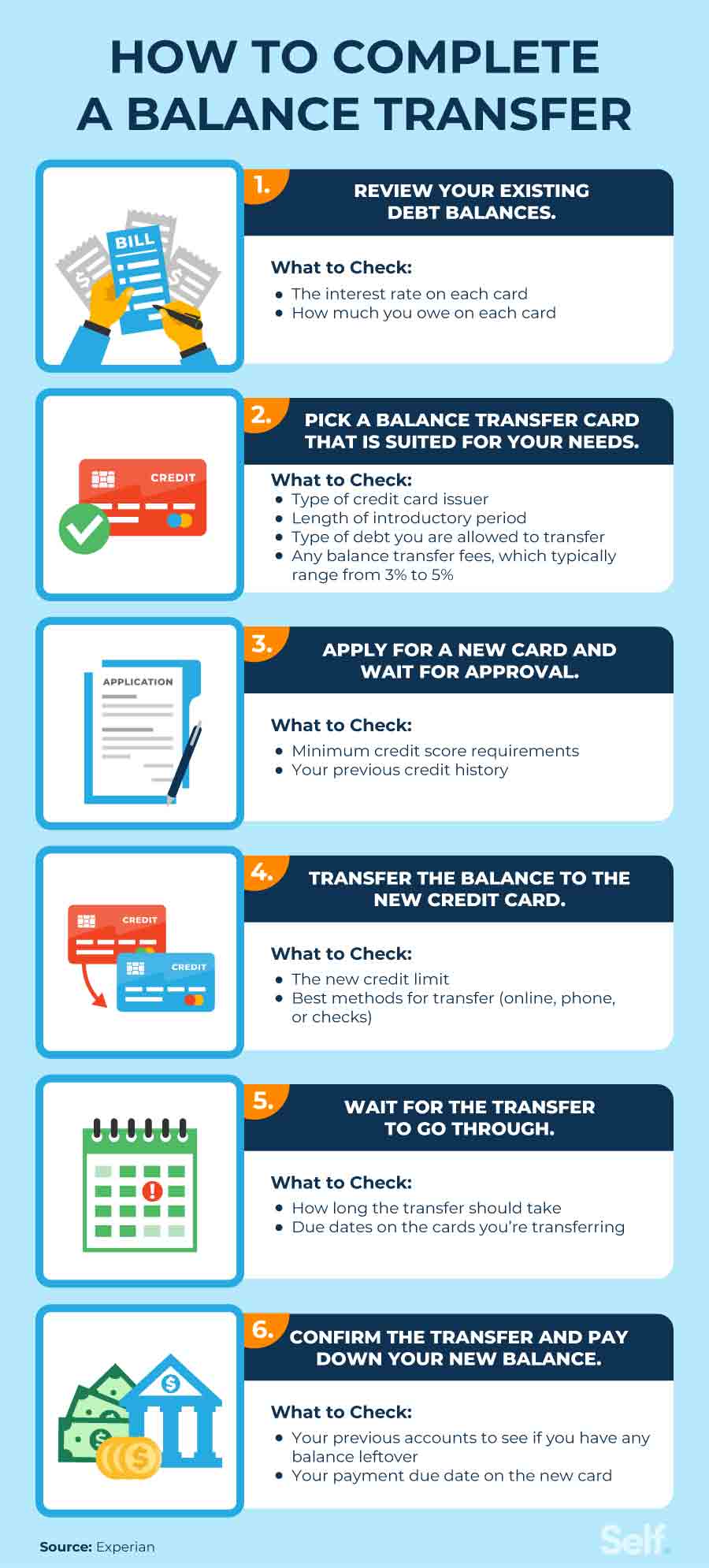
The process of applying for and using a balance transfer credit card typically involves these steps:
- Research and Compare Offers: Carefully compare different balance transfer credit card offers. Pay attention to the introductory APR, the length of the promotional period, the balance transfer fee, and the card's regular APR after the promotional period ends.
- Apply for the Card: Once you've chosen a card, complete the application process. Your credit score will be a major factor in whether you're approved and the terms you receive.
- Request Balance Transfers: If approved, you can request to transfer balances from your existing credit cards to the new card. You'll typically need to provide the account numbers and the amounts you want to transfer.
- Monitor Your Balances and Make Payments: Keep track of your balances and make timely payments to avoid late fees and maintain your good standing with the card issuer. Pay more than the minimum payment whenever possible to pay down your debt faster.
- Be Aware of the Promotional Period: Make sure you understand when the introductory APR period ends and what the regular APR will be. Plan to pay off the balance before the promotional period expires, or be prepared for higher interest charges.
Factors to Consider When Choosing a Balance Transfer Card
Choosing the right balance transfer card requires careful consideration of several factors:
Balance Transfer Fees
Most balance transfer cards charge a fee for transferring balances. This fee is typically a percentage of the amount transferred, often ranging from 3% to 5%. While a balance transfer fee can seem like a drawback, the potential savings from a 0% APR can often outweigh the cost, especially if you have a significant amount of debt.
Calculate the total cost of the balance transfer, including the fee, and compare it to the amount of interest you would pay on your existing cards. This will help you determine whether a balance transfer is the right financial move for you.
Introductory APR and Duration
The introductory APR is the interest rate you'll pay on transferred balances during the promotional period. Look for cards with a 0% APR for the longest possible duration. However, be realistic about how long it will take you to pay off your debt and choose a card with a promotional period that aligns with your repayment plan.
Some cards offer longer introductory periods than others, but they may also have higher balance transfer fees or less favorable terms in other areas. Weigh the benefits of a longer promotional period against the potential drawbacks of other card features.
Regular APR
The regular APR is the interest rate that will apply to your balance after the introductory period ends. It's crucial to be aware of this rate, as it could be significantly higher than the introductory APR. If you don't pay off your balance before the promotional period expires, you'll start accruing interest at the regular APR.
Choose a card with a competitive regular APR, especially if you anticipate needing more time to pay off your balance. A lower regular APR can save you money in the long run if you're unable to pay off your debt during the introductory period.
Credit Limit
The credit limit on your balance transfer card will determine the maximum amount of debt you can transfer. Make sure the credit limit is high enough to accommodate all the balances you want to transfer. Keep in mind that the card issuer may not approve your transfer request for the full amount if it exceeds your credit limit or if your creditworthiness doesn't support it.
It's also important to avoid maxing out your credit limit, as this can negatively impact your credit score. Aim to keep your credit utilization ratio below 30% by only transferring the amount you can reasonably pay off within the promotional period.
Other Card Features and Benefits
While the primary focus of a balance transfer card is debt consolidation, some cards also offer other features and benefits, such as rewards programs, travel insurance, or purchase protection. These perks can add value to the card, but they shouldn't be the main reason for choosing a balance transfer card. Focus on the interest rate, fees, and other terms that will directly impact your debt repayment.
Potential Risks and Drawbacks
While balance transfer cards can be a valuable tool for debt consolidation, it's important to be aware of the potential risks and drawbacks:
- Balance Transfer Fees: As mentioned earlier, balance transfer fees can add to the overall cost of debt consolidation.
- Limited Promotional Period: If you don't pay off your balance before the introductory APR expires, you'll start accruing interest at the regular APR, which could be significantly higher.
- Credit Score Impact: Applying for a new credit card can temporarily lower your credit score due to the hard inquiry on your credit report. However, if you manage your debt responsibly, the long-term impact on your credit score should be positive.
- Temptation to Overspend: A balance transfer card can free up credit on your existing cards, which could tempt you to overspend and accumulate more debt. It's important to stick to a budget and avoid using your existing cards until you've paid off your transferred balance.
- Balance Transfer Limitations: Some card issuers may not allow you to transfer balances from cards issued by the same bank. Be sure to check the terms and conditions before applying for a balance transfer card.
Who Should Consider a Balance Transfer?
A balance transfer credit card can be a good option for individuals who:
- Have high-interest credit card debt.
- Are disciplined about managing their finances and making timely payments.
- Have a plan to pay off their debt within the promotional period.
- Have a good credit score, which increases their chances of being approved for a card with favorable terms.
Alternatives to Balance Transfer Credit Cards
If a balance transfer credit card isn't the right fit for your situation, there are other debt consolidation options to consider:
- Personal Loans: Personal loans typically offer fixed interest rates and repayment terms, which can make it easier to budget and pay off your debt.
- Debt Management Plans (DMPs): A DMP is a program offered by credit counseling agencies that helps you consolidate your debt and negotiate lower interest rates with your creditors.
- Home Equity Loans or Lines of Credit (HELOCs): If you own a home, you may be able to borrow against your home equity to consolidate your debt. However, be aware that your home will be used as collateral, so you could lose your home if you're unable to make your payments.
Conclusion
Balance transfer credit cards can be a powerful tool for saving money and paying down debt faster. By carefully researching and comparing offers, understanding the terms and conditions, and managing your debt responsibly, you can take advantage of the benefits of a balance transfer and improve your financial situation.
Remember to consider all your debt consolidation options and choose the one that best meets your needs and circumstances.

0 Comments