
Understanding Globalization and its Reach
Globalization, at its core, refers to the increasing interconnectedness and interdependence of countries through various means, including trade, investment, migration, and cultural exchange. This phenomenon has been accelerating for decades, driven by advancements in technology, transportation, and communication. While globalization offers numerous benefits on a global scale, its impact on local economies and communities is often complex and multifaceted, with both positive and negative consequences.
Economic Impacts of Globalization on Local Economies
Globalization significantly alters the economic landscape of local communities, impacting everything from job markets to the availability of goods and services.
Increased Competition
One of the most prominent effects of globalization is increased competition. Local businesses, once insulated by geographical barriers, now face competition from international companies offering similar products or services, often at lower prices. This competition can be challenging for smaller businesses that lack the resources to compete on a global scale. They may struggle to maintain market share, leading to job losses and business closures. However, increased competition can also incentivize local businesses to innovate, improve efficiency, and offer better value to consumers.
Foreign Investment and Job Creation
Globalization can attract foreign direct investment (FDI) to local economies. Multinational corporations often establish operations in new markets, bringing capital, technology, and expertise. This investment can create new jobs, boost economic growth, and improve infrastructure. However, the benefits of FDI are not always evenly distributed. Jobs created by multinational corporations may be concentrated in specific sectors or regions, leaving other areas behind. Furthermore, these jobs may not always offer competitive wages or benefits compared to those offered by local businesses.
Changes in Employment Patterns
Globalization can lead to significant shifts in employment patterns within local economies. As industries become more specialized and interconnected, certain jobs may become obsolete, while new jobs emerge in different sectors. For example, the rise of automation and artificial intelligence, facilitated by globalization, can displace workers in manufacturing and other routine tasks. At the same time, globalization creates new opportunities in fields such as technology, logistics, and international business. Local communities need to adapt to these changes by investing in education and training programs to equip workers with the skills needed for the jobs of the future.
Access to New Markets
Globalization provides local businesses with access to new markets around the world. This can be particularly beneficial for businesses that produce specialized goods or services that are in demand internationally. By exporting their products, local businesses can increase their revenue, expand their operations, and create new jobs. However, accessing new markets also requires businesses to adapt to different cultures, regulations, and consumer preferences. They may need to invest in marketing, translation, and logistics to successfully compete in the global marketplace.
The Rise of Global Value Chains
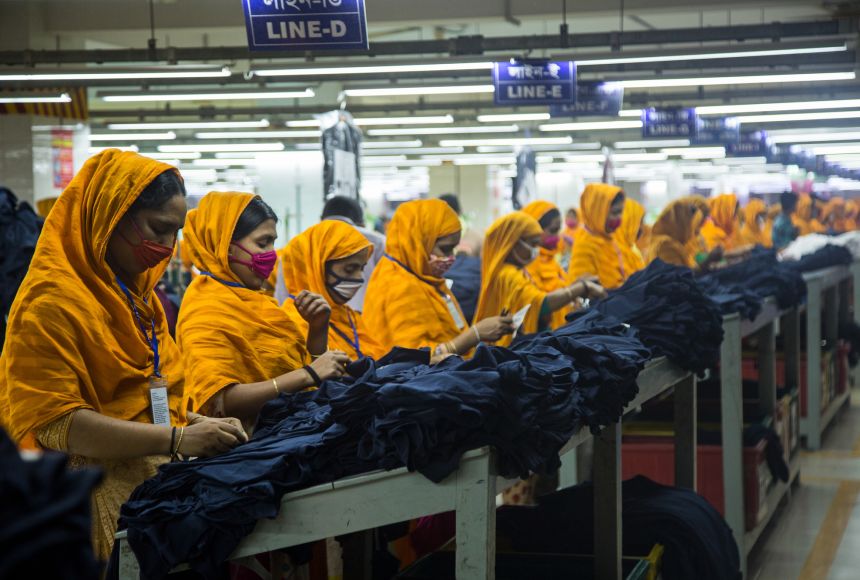
Globalization has led to the development of global value chains, where different stages of production are located in different countries. This allows companies to take advantage of lower labor costs, access specialized resources, and optimize their supply chains. Local economies can benefit from participating in global value chains by attracting foreign investment, creating jobs, and acquiring new technologies. However, participation in global value chains can also make local economies more vulnerable to economic shocks and disruptions in other parts of the world.
Social and Cultural Impacts of Globalization on Local Communities
Beyond the economic sphere, globalization also has profound social and cultural impacts on local communities, influencing everything from cultural identity to social cohesion.
Cultural Exchange and Homogenization
Globalization facilitates the exchange of ideas, values, and cultural practices between different countries and communities. This can lead to greater cultural understanding and appreciation, as people learn about different ways of life. However, globalization can also lead to cultural homogenization, where dominant cultures, often from Western countries, spread and displace local traditions and customs. This can lead to a loss of cultural diversity and a sense of cultural identity.
Changes in Social Structures
Globalization can alter social structures within local communities. For example, increased migration can lead to greater ethnic and cultural diversity, which can enrich communities but also create challenges related to integration and social cohesion. Globalization can also lead to changes in family structures, as people move to different countries for work or education. This can lead to challenges in maintaining family ties and providing care for elderly or disabled family members.
Increased Awareness of Global Issues
Globalization increases awareness of global issues such as climate change, poverty, and human rights. This can motivate individuals and communities to take action to address these challenges. However, globalization can also lead to feelings of helplessness and despair, as people become overwhelmed by the scale and complexity of global problems.
The Impact on Traditional Lifestyles
Globalization can have a significant impact on traditional lifestyles in local communities. As people become more connected to the global economy, they may adopt new consumption patterns, values, and aspirations. This can lead to a decline in traditional crafts, customs, and ways of life. However, globalization can also provide opportunities for local communities to preserve and promote their cultural heritage through tourism, cultural festivals, and online platforms.
The Role of Technology and Social Media
Technology and social media play a crucial role in facilitating globalization and shaping its impact on local communities. These tools allow people to connect with others around the world, share information, and organize social movements. However, technology and social media can also contribute to the spread of misinformation, hate speech, and cyberbullying. Local communities need to develop strategies to promote responsible use of technology and social media to mitigate these risks.
Navigating the Challenges and Opportunities
Globalization presents both challenges and opportunities for local economies and communities. To maximize the benefits and mitigate the risks, it is essential to adopt a proactive and strategic approach. This includes investing in education and training, promoting innovation and entrepreneurship, supporting local businesses, and fostering social cohesion. It also requires governments, businesses, and civil society organizations to work together to ensure that the benefits of globalization are shared more equitably and that the negative impacts are minimized. Furthermore, promoting sustainable development practices becomes crucial to ensure that economic growth doesn't come at the expense of environmental degradation or social inequality.

0 Comments