
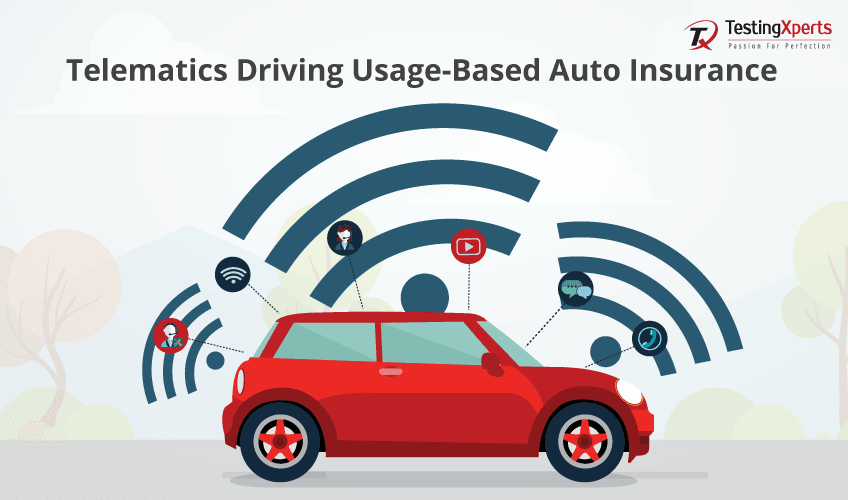
Understanding Telematics in Auto Insurance
Telematics is revolutionizing the auto insurance industry, offering a more personalized and data-driven approach to pricing and risk assessment. But what exactly is telematics, and how does it benefit both insurers and drivers? This guide will delve into the world of telematics for auto insurance, exploring its functionalities, advantages, and potential drawbacks.
What is Telematics?
Telematics refers to the use of technology to collect and transmit data related to vehicle usage. In the context of auto insurance, this typically involves installing a small device in a vehicle or utilizing a smartphone app to track driving behavior. This device or app then collects information such as:
- Speed: Monitoring how fast the vehicle is traveling.
- Mileage: Tracking the distance driven.
- Driving Time: Recording when the vehicle is being driven (e.g., during high-risk hours).
- Hard Braking: Detecting instances of sudden and forceful braking.
- Hard Acceleration: Identifying rapid increases in speed.
- Cornering: Measuring the sharpness of turns.
- Location: Pinpointing the vehicle's whereabouts using GPS.
- Phone Usage: Some systems can detect and record phone use while driving.
This data is then transmitted to the insurance company, providing them with a detailed picture of the driver's habits.
How Telematics Works in Auto Insurance
The core principle behind telematics-based auto insurance is that safer drivers should pay lower premiums. By analyzing driving data, insurers can better assess risk and offer personalized rates that reflect individual driving behavior. This approach is often referred to as Usage-Based Insurance (UBI) or Pay-As-You-Drive (PAYD) insurance.
The Telematics Device or App
The first step in using telematics for auto insurance is typically installing a telematics device or downloading a mobile app. The device is often a small, plug-and-play module that connects to the vehicle's OBD-II port (usually located under the dashboard). Alternatively, many insurers now offer smartphone apps that utilize the phone's sensors to collect driving data. Both methods achieve the same goal: gathering information about how the vehicle is being operated.
Data Collection and Analysis
Once the device or app is active, it continuously collects data while the vehicle is in use. This data is then transmitted to the insurance company, where it is analyzed to create a driving profile for the insured. The specific algorithms used to analyze the data vary between insurers, but they generally focus on identifying risky driving behaviors and assessing the overall risk level of the driver.
Personalized Insurance Premiums
Based on the analysis of the driving data, the insurance company adjusts the policyholder's premium. Drivers who demonstrate safe driving habits, such as maintaining safe speeds, avoiding hard braking, and driving during low-risk hours, are often rewarded with discounts. Conversely, drivers who exhibit risky behaviors may see their premiums increase, although many insurers offer coaching and feedback to help drivers improve their habits.
Benefits of Telematics for Auto Insurance
Telematics offers a range of benefits for both insurance companies and policyholders.
Benefits for Insurers
- Improved Risk Assessment: Telematics provides more accurate and granular data than traditional risk assessment methods, allowing insurers to better predict and manage risk.
- Reduced Fraud: Telematics data can be used to verify claims and detect fraudulent activity.
- Customer Retention: Offering UBI programs can attract and retain customers, particularly safe drivers who are looking for lower premiums.
- Competitive Advantage: Insurers that offer telematics-based insurance can differentiate themselves from competitors.
- Better Pricing: More accurate data leads to more precise pricing models, benefiting both the insurer and the customer.
Benefits for Drivers
- Potential for Lower Premiums: Safe drivers can save money on their auto insurance premiums.
- Improved Driving Habits: Telematics provides feedback on driving behavior, helping drivers identify areas for improvement.
- Greater Control Over Insurance Costs: Drivers have the ability to directly influence their insurance premiums by improving their driving habits.
- Value-Added Services: Some telematics programs offer additional features, such as vehicle tracking, emergency assistance, and vehicle diagnostics.
- Fairer Pricing: The price reflects actual driving habits rather than relying on demographic factors.
Potential Drawbacks of Telematics
While telematics offers numerous advantages, there are also some potential drawbacks to consider.
Privacy Concerns
Some drivers may be concerned about the privacy implications of sharing their driving data with insurance companies. It's important to understand how the data is being used and to ensure that the insurer has robust data security measures in place.
Device Malfunctions
Telematics devices or apps can sometimes malfunction, leading to inaccurate data collection. This can potentially affect the accuracy of the premium calculation.
Cost of Devices
While many insurers provide the telematics device for free, some may charge a fee. This cost should be factored into the overall cost-benefit analysis of using telematics.
Behavioral Changes
Some drivers may alter their driving behavior temporarily while being monitored, only to revert to their old habits once the monitoring period is over. This can undermine the effectiveness of the telematics program.
Limited Availability
Telematics-based insurance programs are not available in all areas or from all insurance companies.
The Future of Telematics in Auto Insurance
Telematics is poised to play an increasingly important role in the future of auto insurance. As technology continues to evolve, we can expect to see even more sophisticated telematics solutions emerge, offering greater accuracy, enhanced features, and improved privacy protections. The integration of telematics data with other data sources, such as connected car platforms and smart city infrastructure, will further enhance the ability of insurers to assess risk and provide personalized services.
Increased Adoption
As consumers become more aware of the benefits of telematics and as insurance companies continue to invest in these technologies, we can expect to see increased adoption of UBI programs. This will lead to a more data-driven and personalized auto insurance market.
Advanced Analytics
Advanced analytics techniques, such as machine learning and artificial intelligence, will be used to analyze telematics data and identify patterns that are not readily apparent. This will enable insurers to better predict risk and offer even more customized insurance products.
Integration with Connected Cars
The growing prevalence of connected cars will provide insurers with access to even richer data streams, including real-time vehicle diagnostics, driver assistance system data, and infotainment system usage. This data can be used to further refine risk assessment and offer new types of insurance services.
Focus on Safety
Telematics will play a key role in promoting safer driving habits and reducing accidents. By providing drivers with real-time feedback and coaching, telematics can help them improve their driving skills and avoid risky behaviors. This will ultimately lead to safer roads for everyone.

0 Comments