
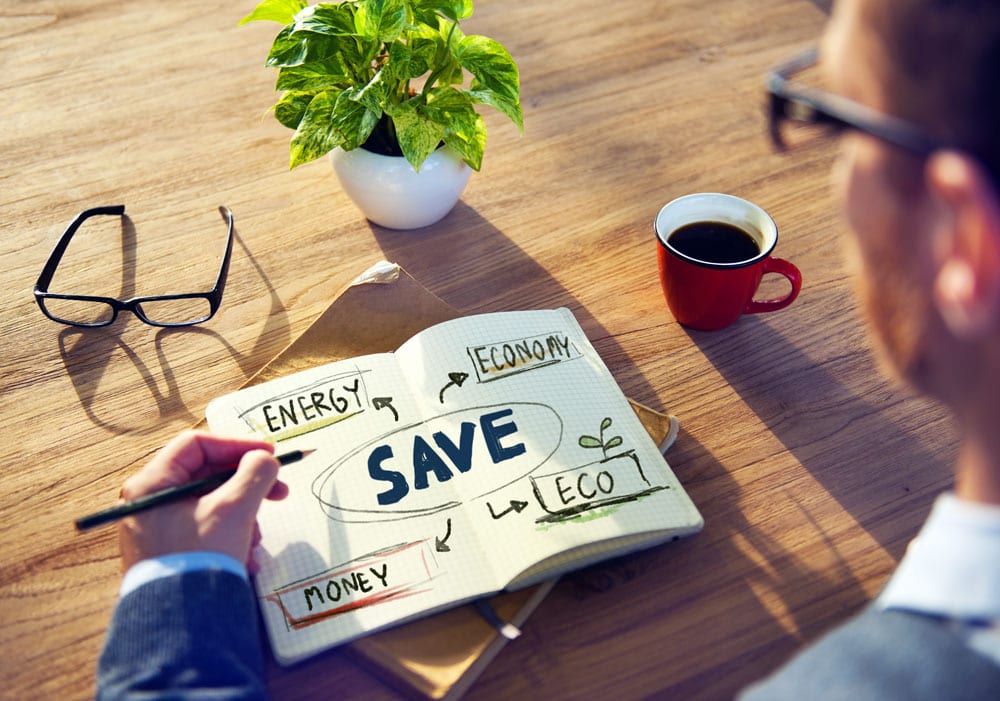
Smart Strategies to Slash Your Utility Bills
Rising utility costs can significantly impact your monthly budget. Electricity and water are essential, but there are numerous ways to reduce your consumption and lower your bills without sacrificing comfort. This article provides practical, actionable tips to help you save money on utilities and adopt a more sustainable lifestyle.
Electricity Saving Tips
Electricity bills often represent a substantial portion of household expenses. By implementing a few changes, you can dramatically reduce your electricity consumption and save money in the long run.
Embrace Energy-Efficient Lighting
Switching to energy-efficient lighting is one of the simplest and most effective ways to cut down on electricity usage. Replace incandescent bulbs with LEDs (Light Emitting Diodes). LEDs consume up to 75% less energy and last much longer, saving you money on both electricity and replacement costs. Consider using smart bulbs that allow you to control brightness and set schedules, further optimizing energy consumption.
Unplug Phantom Loads
Many electronic devices continue to draw power even when they are turned off. This is known as "phantom load" or "vampire power." Unplug devices like chargers, TVs, and computers when they are not in use. Consider using power strips with on/off switches to easily cut off power to multiple devices at once. This small habit can lead to significant savings over time.
Optimize Your Heating and Cooling
Heating and cooling systems are major energy consumers. To reduce your electricity bill, optimize their efficiency. During winter, lower your thermostat a few degrees and wear warmer clothing. In summer, raise your thermostat and use fans to circulate air. Ensure your home is properly insulated to prevent heat loss in winter and heat gain in summer. Seal any cracks or gaps around windows and doors to prevent drafts.
Use Appliances Wisely
The way you use your appliances can significantly impact your electricity consumption. When using your washing machine, wash full loads and use cold water whenever possible. For your dishwasher, run it only when it's full and use the energy-saving setting. Clean the lint filter in your dryer after each use to improve its efficiency. When cooking, use the microwave or toaster oven for smaller meals, as they consume less energy than a conventional oven.
Consider a Smart Thermostat
A smart thermostat can learn your heating and cooling preferences and automatically adjust the temperature accordingly. It can also be controlled remotely via a smartphone, allowing you to adjust the temperature even when you're not at home. Smart thermostats can significantly reduce energy waste and save you money on your electricity bill.
Regular Appliance Maintenance
Regular maintenance of your appliances ensures they are running efficiently. Clean the coils on your refrigerator and air conditioner regularly to improve their performance. Schedule annual maintenance checks for your heating and cooling systems to identify and address any potential issues. Efficient appliances consume less energy and save you money in the long run.
Water Saving Tips
Conserving water not only helps you save money on your water bill but also contributes to environmental sustainability. There are many simple ways to reduce your water consumption at home.
Fix Leaks Promptly
Even small leaks can waste a significant amount of water over time. Regularly check faucets, toilets, and pipes for leaks and repair them promptly. A dripping faucet can waste gallons of water per day, and a running toilet can waste even more. Addressing leaks quickly can save you a considerable amount of money on your water bill.
Install Water-Efficient Fixtures
Replacing old, inefficient fixtures with water-efficient models can significantly reduce your water consumption. Install low-flow showerheads and toilets that use less water per flush. Consider installing faucet aerators, which reduce the amount of water flowing from your faucets without compromising water pressure. These upgrades can pay for themselves in water savings over time.
Be Mindful of Your Showering Habits
Showers are a major source of water consumption. Take shorter showers and be mindful of the amount of water you use. Consider installing a shower timer to help you stay on track. You can also collect the water that runs while you're waiting for it to heat up and use it to water plants or flush the toilet.
Water Your Lawn Efficiently
If you have a lawn, water it efficiently to avoid wasting water. Water deeply but less frequently to encourage deep root growth. Water early in the morning or late in the evening to minimize evaporation. Consider using a rain barrel to collect rainwater for watering your lawn and garden. Adjust your watering schedule based on the weather to avoid overwatering.
Use a Broom Instead of a Hose
When cleaning your driveway or sidewalk, use a broom instead of a hose. Hosing down surfaces wastes a significant amount of water. Sweeping is just as effective and doesn't require any water at all. This simple change can save you a substantial amount of water over time.
Consider Xeriscaping
Xeriscaping is a landscaping technique that uses drought-tolerant plants and landscaping materials to minimize the need for irrigation. Consider replacing your lawn with native plants and gravel or mulch. This can significantly reduce your water consumption and create a beautiful, low-maintenance landscape.
Monitor Your Water Meter
Regularly monitor your water meter to track your water consumption and identify any potential leaks. Take a reading at the beginning of the day and another at the end of the day, making sure no water is used during that time. If the reading has changed, you may have a leak. Monitoring your water meter can help you catch leaks early and prevent water waste.
Dishwashing and Laundry Efficiency
Run your dishwasher and washing machine only when they are fully loaded. This maximizes the efficiency of each cycle and minimizes water usage. Scrape food off dishes before loading them into the dishwasher to avoid pre-rinsing. Use the appropriate water level setting on your washing machine for the size of the load. These simple practices can save you a significant amount of water over time.

0 Comments