
Understanding the Simple IRA
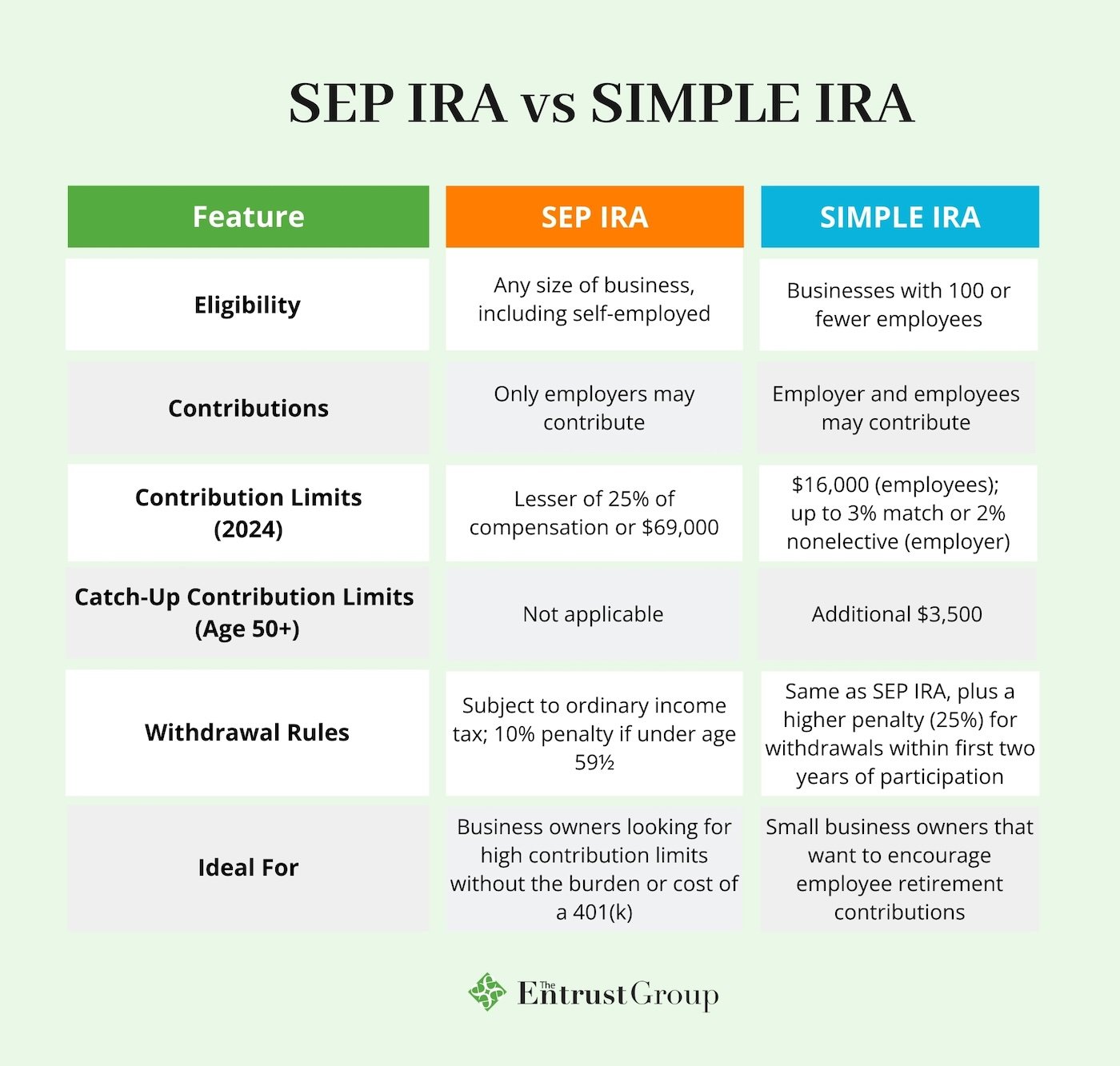
A Savings Incentive Match Plan for Employees (SIMPLE) IRA is a retirement savings plan that allows both employees and employers to contribute. It's designed for small businesses, including self-employed individuals, and offers a relatively straightforward approach to retirement savings compared to more complex plans like 401(k)s. Understanding the basics of a SIMPLE IRA is the first step toward developing effective investment strategies.
Key features of a SIMPLE IRA include:
- Employer Contributions: Employers are required to contribute to the plan, either through matching employee contributions or making non-elective contributions.
- Employee Contributions: Employees can choose to contribute a percentage of their salary, up to a certain annual limit.
- Tax Advantages: Contributions are typically tax-deductible, and investment earnings grow tax-deferred until retirement.
- Simplicity: Compared to other retirement plans, SIMPLE IRAs are easier to set up and administer.
Establishing Your Investment Goals
Before diving into specific investment strategies, it's crucial to define your retirement goals. This involves considering factors such as:
- Retirement Age: When do you plan to retire? This will significantly impact your investment timeline.
- Desired Retirement Income: How much income will you need to maintain your lifestyle in retirement?
- Risk Tolerance: How comfortable are you with the possibility of losing money on your investments?
Once you have a clear understanding of your goals, you can choose investment options that align with your risk tolerance and time horizon. A younger investor with a longer time horizon might be comfortable with more aggressive investments, while someone closer to retirement may prefer a more conservative approach.
Diversification: The Cornerstone of Simple IRA Investment
Diversification is a key principle in investing, especially within a Simple IRA. It involves spreading your investments across different asset classes to reduce risk. By diversifying, you minimize the impact of any single investment performing poorly.
Asset Allocation
Asset allocation is the process of dividing your investment portfolio among different asset classes, such as:
- Stocks: Represent ownership in companies and offer the potential for high growth, but also come with higher risk.
- Bonds: Represent loans to governments or corporations and typically offer lower returns than stocks, but are generally less risky.
- Mutual Funds: Pools of money invested in a variety of stocks, bonds, or other assets, offering instant diversification.
- Exchange-Traded Funds (ETFs): Similar to mutual funds, but traded on stock exchanges like individual stocks.
- Real Estate Investment Trusts (REITs): Companies that own or finance income-producing real estate.
Your asset allocation should be based on your risk tolerance and time horizon. A common strategy is to allocate a larger portion of your portfolio to stocks when you're younger and gradually shift towards bonds as you approach retirement.
Popular Investment Options for Simple IRAs
SIMPLE IRAs offer a variety of investment options, allowing you to tailor your portfolio to your specific needs and preferences. Here are some popular choices:
Index Funds
Index funds are designed to track the performance of a specific market index, such as the S&P 500. They offer broad diversification at a low cost, making them an excellent choice for long-term investors. Index funds are passively managed, meaning they don't try to "beat the market," but rather aim to match its performance.
Target-Date Funds
Target-date funds are designed to automatically adjust their asset allocation over time, becoming more conservative as you approach your target retirement date. These funds are a convenient option for investors who prefer a hands-off approach. They handle the rebalancing and asset allocation for you, based on your estimated retirement year.
Bond Funds
Bond funds invest in a portfolio of bonds, providing income and stability to your portfolio. They can be a good option for investors who are looking for lower-risk investments, especially as they get closer to retirement. Different types of bond funds exist, including those that focus on government bonds, corporate bonds, and high-yield bonds.
Growth Stock Funds
Growth stock funds invest in companies that are expected to grow at a faster rate than the overall market. These funds offer the potential for high returns, but also come with higher risk. They are generally more suitable for younger investors with a longer time horizon.
Value Stock Funds
Value stock funds invest in companies that are considered undervalued by the market. These funds may offer higher returns over the long term, as the market eventually recognizes the true value of these companies. However, they can also be more volatile in the short term.
Rebalancing Your Portfolio
Over time, your asset allocation may drift away from your target due to market fluctuations. Rebalancing involves selling some assets that have performed well and buying others that have underperformed, to bring your portfolio back to its desired allocation. This helps you maintain your risk tolerance and stay on track toward your retirement goals.
How often should you rebalance? A common approach is to rebalance annually or whenever your asset allocation deviates significantly from your target (e.g., by 5% or more). You can also automate the rebalancing process with some brokerage firms.
Dollar-Cost Averaging
Dollar-cost averaging is a strategy that involves investing a fixed amount of money at regular intervals, regardless of market conditions. This can help reduce the risk of investing a large sum of money at the wrong time. By investing consistently over time, you'll buy more shares when prices are low and fewer shares when prices are high, potentially lowering your average cost per share.
Dollar-cost averaging is particularly beneficial when the market is volatile, as it can help you avoid making emotional decisions based on short-term market fluctuations. It's a simple and effective way to build your retirement savings over time.
Employer Matching: Don't Leave Money on the Table
One of the biggest benefits of a SIMPLE IRA is the employer matching contribution. If your employer offers a match, be sure to contribute enough to take full advantage of it. This is essentially free money that can significantly boost your retirement savings. Not participating fully in the employer match is like turning down a raise.
Reviewing and Adjusting Your Strategy
Your investment strategy should not be set in stone. As your circumstances change (e.g., changes in income, family situation, retirement goals), you may need to review and adjust your strategy accordingly. It's a good idea to review your portfolio at least annually to ensure it still aligns with your goals and risk tolerance.
Consider seeking professional financial advice if you're unsure about how to develop or adjust your SIMPLE IRA investment strategy. A financial advisor can help you assess your individual needs and recommend appropriate investment options.

0 Comments