
Understanding Self-Directed IRAs
A Self-Directed IRA (SDIRA) is a type of Individual Retirement Account that allows you to invest in a wider range of assets than a traditional IRA. While traditional IRAs typically limit investments to stocks, bonds, and mutual funds, an SDIRA opens the door to alternative investments like real estate, precious metals, private equity, and more. This provides more control and potentially greater returns for your retirement savings.
Why Choose a Self-Directed IRA?
There are several compelling reasons to consider a Self-Directed IRA:
- Greater Investment Control: You have the freedom to choose investments that align with your financial goals and risk tolerance.
- Diversification Beyond Traditional Assets: SDIRAs allow you to diversify your portfolio beyond the stock market, potentially reducing risk and increasing returns.
- Potential for Higher Returns: Alternative investments can offer higher returns than traditional assets, although they also come with increased risk.
- Tax Advantages: Like traditional IRAs, SDIRAs offer tax-deferred growth, meaning you won't pay taxes on your investment earnings until retirement. Roth SDIRAs offer tax-free withdrawals in retirement.
Key Self-Directed IRA Investment Strategies
Now, let's explore some popular investment strategies you can implement within your Self-Directed IRA:
Real Estate Investing in a Self-Directed IRA
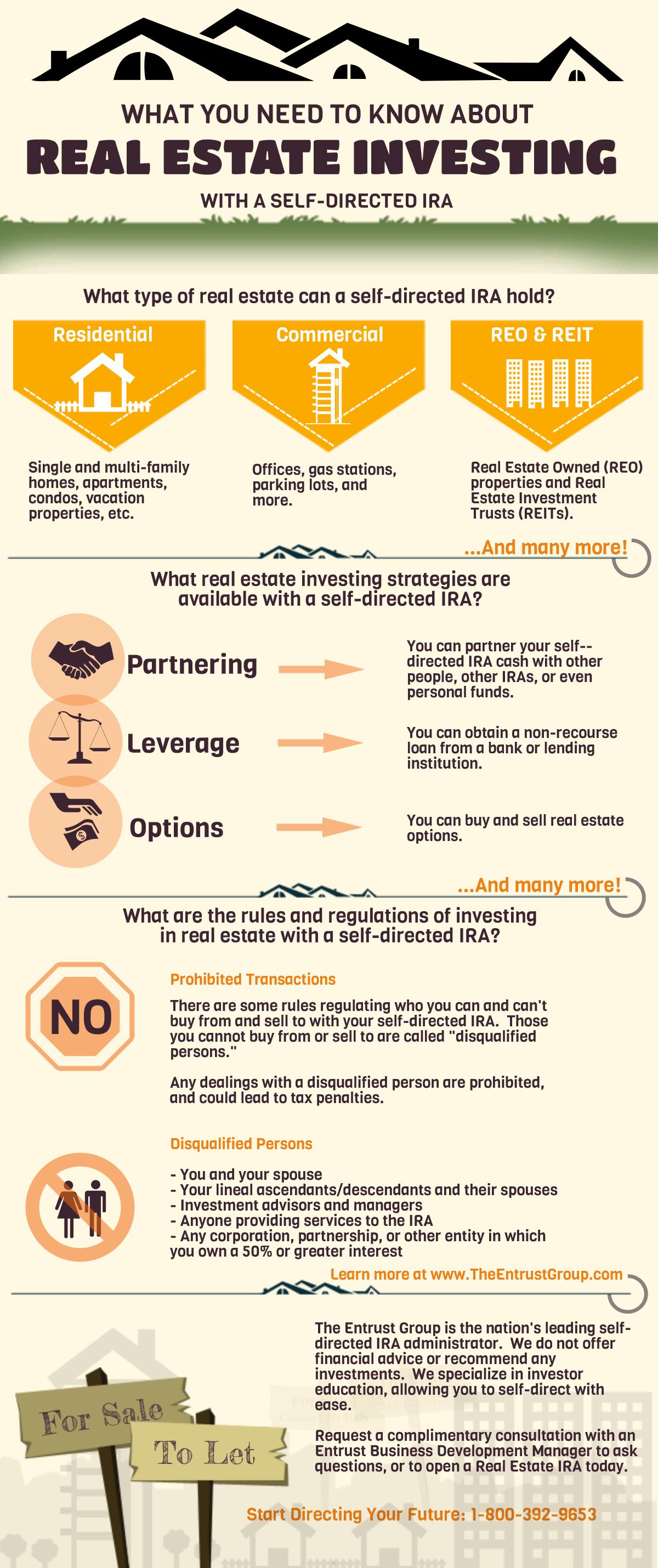
Real estate is a common and potentially lucrative investment option for SDIRAs. You can purchase properties like rental homes, commercial buildings, or land within your IRA. All rental income and profits from the sale of the property are tax-sheltered within the IRA.
Important Considerations for Real Estate in an SDIRA:
- No Personal Use: You cannot personally benefit from the property while it's held within the IRA. This means you can't live in the property or use it for personal vacations.
- Arms-Length Transactions: All transactions must be conducted at arm's length, meaning you can't buy or sell property to disqualified persons (e.g., family members).
- Proper Management: You must hire a third-party property manager to handle the day-to-day operations of the property.
Investing in Precious Metals
Precious metals, such as gold, silver, platinum, and palladium, can be a hedge against inflation and economic uncertainty. You can hold physical precious metals in your SDIRA, but they must be stored in an approved depository. You cannot store them at home.
Considerations for Precious Metals in an SDIRA:
- Approved Depository: Choose a reputable and IRS-approved depository to store your precious metals.
- Purity Requirements: The precious metals must meet specific purity requirements to be eligible for inclusion in an SDIRA.
- Market Volatility: Precious metals can be volatile, so it's important to understand the risks before investing.
Private Equity and Venture Capital
SDIRAs can invest in private equity and venture capital, which involve investing in privately held companies. This can offer the potential for high returns, but it also comes with significant risk and illiquidity.
Considerations for Private Equity and Venture Capital in an SDIRA:
- High Risk: Private equity and venture capital investments are inherently risky, as many startups fail.
- Illiquidity: These investments are typically illiquid, meaning you may not be able to easily sell them.
- Due Diligence: Thoroughly research the companies you're considering investing in.
Investing in Promissory Notes
A promissory note is a written promise to repay a debt. SDIRAs can invest in promissory notes secured by real estate or other assets. This can provide a fixed income stream within your IRA.
Considerations for Promissory Notes in an SDIRA:
- Due Diligence: Carefully evaluate the borrower's creditworthiness and the value of the collateral securing the note.
- Risk of Default: There is always a risk that the borrower will default on the note.
- Proper Documentation: Ensure the promissory note is properly documented and legally enforceable.
Tax Lien Certificates
Tax lien certificates are purchased from local governments and represent a lien on a property for unpaid property taxes. They can offer a relatively safe and predictable return.
Considerations for Tax Lien Certificates in an SDIRA:
- Research Local Laws: Understand the laws and regulations governing tax lien certificates in the specific jurisdiction.
- Due Diligence on Properties: Research the properties subject to the tax liens to assess their value.
- Redemption Risk: The property owner may redeem the tax lien, which will result in you receiving your principal plus interest.
Setting Up Your Self-Directed IRA
Setting up a Self-Directed IRA involves several steps:
- Choose a Custodian: Select a reputable Self-Directed IRA custodian. These custodians specialize in handling alternative investments and ensuring compliance with IRS regulations.
- Fund Your Account: You can fund your SDIRA through contributions, rollovers from other retirement accounts, or transfers from existing IRAs.
- Identify Your Investments: Research and select the alternative investments you want to include in your portfolio.
- Execute Transactions: Work with your custodian to execute the transactions necessary to purchase your chosen investments. All transactions must be directed by you, the account holder.
Important Considerations and Risks
While Self-Directed IRAs offer significant opportunities, it's crucial to be aware of the risks and potential pitfalls:
- Complexity: Managing a Self-Directed IRA can be more complex than managing a traditional IRA, especially when dealing with alternative investments.
- Due Diligence: You are responsible for conducting thorough due diligence on all investments.
- Prohibited Transactions: Certain transactions are prohibited under IRS regulations, such as using the IRA assets for personal benefit or engaging in transactions with disqualified persons.
- Custodial Fees: Self-Directed IRA custodians typically charge higher fees than traditional IRA custodians due to the increased administrative burden.
Seeking Professional Advice
Before investing in a Self-Directed IRA, it's highly recommended to consult with a qualified financial advisor and tax professional. They can help you assess your financial situation, understand the risks involved, and develop a suitable investment strategy. They can also advise on the tax implications of SDIRA investments.

0 Comments