
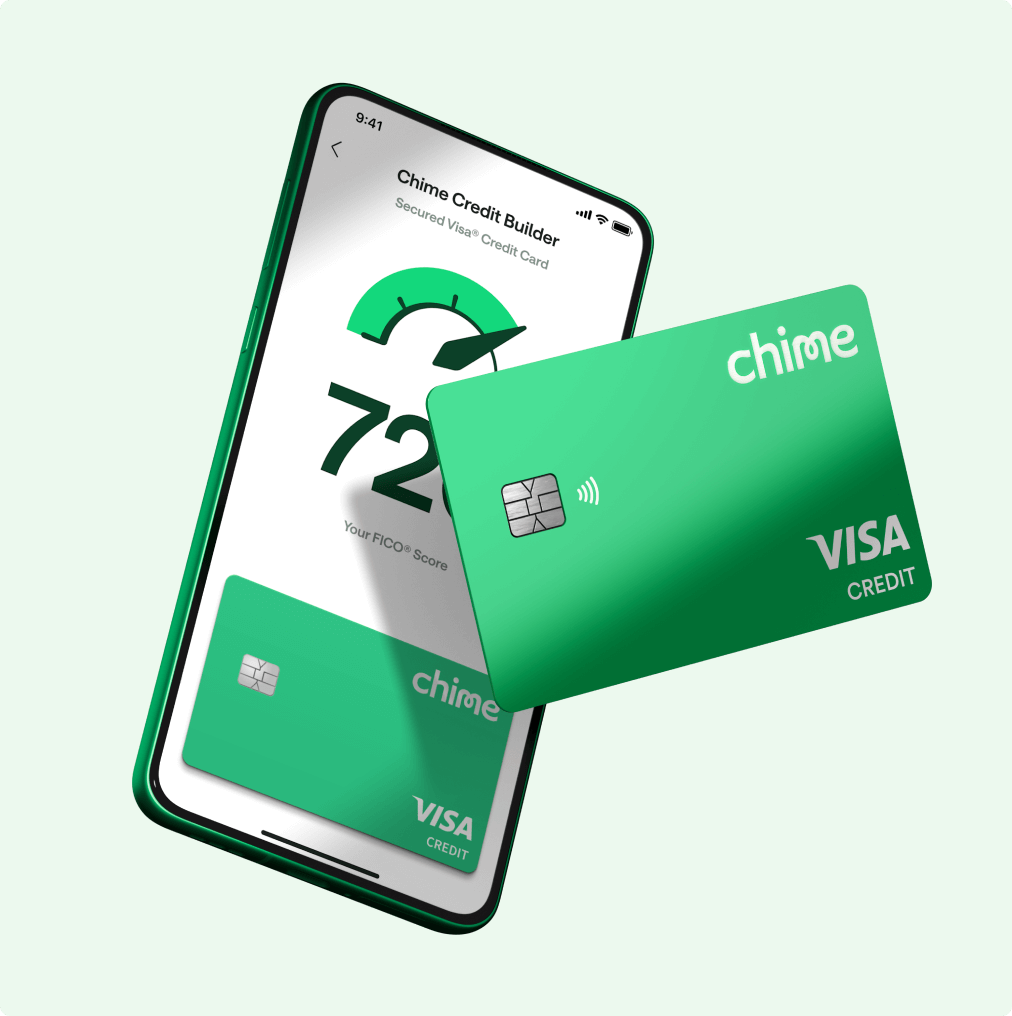
Secured Credit Cards: A Powerful Tool for Credit Building
Are you looking to build or rebuild your credit quickly and effectively? A secured credit card might be the perfect solution. Unlike traditional credit cards that rely on your credit history, secured credit cards require a security deposit, making them accessible even to those with limited or poor credit. This deposit acts as collateral, reducing the risk for the issuer and allowing you to establish or improve your credit score responsibly.
How Secured Credit Cards Work
The fundamental principle behind a secured credit card is simple: you provide a security deposit, and the card issuer grants you a credit line typically equal to that deposit. For example, a $500 deposit usually results in a $500 credit line. This deposit isn't used to pay your monthly bills; it's held as security. You use the card just like a regular credit card, making purchases and paying them off according to the card's terms.
The Security Deposit
The security deposit is the cornerstone of a secured credit card. It significantly reduces the issuer's risk, enabling them to offer credit to individuals who might not qualify for an unsecured card. It’s important to understand that the deposit isn't a fee. It's held securely by the issuer and is typically returned to you when you close the account in good standing or when you "graduate" to an unsecured credit card.
Reporting to Credit Bureaus
The key to building credit with a secured card lies in the issuer's reporting practices. Reputable secured credit card issuers report your payment activity to the three major credit bureaus: Experian, Equifax, and TransUnion. Consistent on-time payments demonstrate responsible credit management and positively impact your credit score. This is what makes secured credit cards such a powerful tool for credit building.
Benefits of Using a Secured Credit Card to Build Credit
Secured credit cards offer several advantages for individuals aiming to improve their creditworthiness. Here are some key benefits:
Accessibility
Secured credit cards are generally easier to obtain than unsecured credit cards, even if you have a limited or poor credit history. The security deposit mitigates the risk for the issuer, making them more willing to approve your application.
Credit Building
As mentioned, responsible use of a secured credit card, including making timely payments and keeping your credit utilization low, can significantly improve your credit score over time.
Graduation to Unsecured Cards
Many secured credit card issuers offer the opportunity to "graduate" to an unsecured credit card after a period of responsible use, typically 6-12 months. This means you'll get your security deposit back and continue building credit with an unsecured card.
Financial Discipline
Using a secured credit card can help you develop better financial habits, such as budgeting, tracking expenses, and making timely payments. This is because you are directly responsible for managing your credit line and avoiding late fees or over-limit charges.
Choosing the Right Secured Credit Card
Selecting the right secured credit card is crucial for maximizing its benefits. Consider the following factors when comparing different secured credit card options:
Interest Rates (APR)
Pay close attention to the Annual Percentage Rate (APR) on the card. While you should aim to pay your balance in full each month to avoid interest charges, it's important to be aware of the APR in case you need to carry a balance.
Fees
Look for cards with low or no annual fees, application fees, or monthly maintenance fees. Some cards may also charge fees for balance transfers or cash advances, so be sure to read the fine print.
Credit Reporting
Ensure that the card issuer reports your payment activity to all three major credit bureaus (Experian, Equifax, and TransUnion). This is essential for building credit effectively.
Minimum and Maximum Deposit Amounts
Check the minimum and maximum security deposit amounts required by the issuer. Choose a card that aligns with your budget and credit needs. A higher deposit generally translates to a higher credit line.
Graduation Options
Inquire about the issuer's graduation policy. How long do you need to use the card responsibly before you can qualify for an unsecured card? What are the criteria for graduation?
Rewards Programs
Some secured credit cards offer rewards programs, such as cash back or points for purchases. While these rewards can be a nice bonus, prioritize the factors mentioned above, such as fees and credit reporting, when making your decision.
Tips for Using a Secured Credit Card Effectively
To maximize the benefits of a secured credit card and build credit quickly, follow these tips:
Make Timely Payments
This is the most crucial factor in building credit. Always pay your bill on time, every time. Consider setting up automatic payments to avoid missing deadlines.
Keep Your Credit Utilization Low
Credit utilization is the amount of credit you're using compared to your total available credit. Aim to keep your credit utilization below 30%, and ideally below 10%. For example, if you have a $500 credit line, try to keep your balance below $150 (30%) or $50 (10%).
Monitor Your Credit Report
Regularly check your credit report to ensure that your payment activity is being reported accurately and to identify any errors or fraudulent activity. You can obtain free credit reports from each of the three major credit bureaus annually through AnnualCreditReport.com.
Use the Card Regularly
Make small purchases with your secured credit card each month and pay them off promptly. This demonstrates responsible credit use and helps build a positive credit history.
Avoid Cash Advances
Cash advances typically come with high fees and interest rates, and they can negatively impact your credit score. Avoid using your secured credit card for cash advances whenever possible.
Secured Credit Cards vs. Other Credit Building Options
While secured credit cards are a popular choice for building credit, other options are available. It's essential to understand the differences and choose the method that best suits your individual circumstances.
Credit Builder Loans
Credit builder loans are small loans specifically designed to help people build credit. You make payments on the loan, and the lender reports your payment activity to the credit bureaus. Unlike traditional loans, you don't receive the loan proceeds upfront. Instead, the money is held in a savings account until you've repaid the loan.
Authorized User on a Credit Card
Becoming an authorized user on someone else's credit card can help you build credit if the primary cardholder has a good credit history and makes timely payments. However, you're relying on the primary cardholder's responsible credit management, and your credit can be negatively impacted if they miss payments or have high credit utilization.
Credit Counseling
If you're struggling with debt or have significant credit problems, consider seeking help from a credit counseling agency. A credit counselor can help you develop a budget, create a debt management plan, and provide guidance on improving your credit score.

0 Comments