
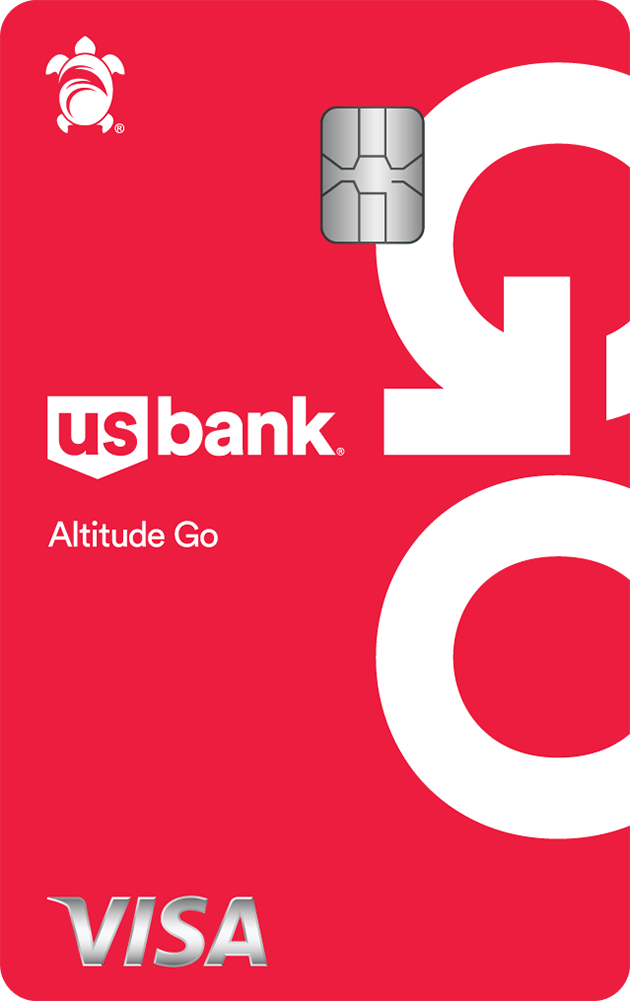
Understanding Secured Credit Cards
Secured credit cards are a valuable tool for individuals looking to build or rebuild their credit. Unlike traditional, unsecured credit cards, secured cards require a cash deposit as collateral. This deposit typically acts as your credit limit, providing the card issuer with security in case you default on your payments. This reduced risk allows them to offer cards to individuals with limited or poor credit histories.
The primary purpose of a secured credit card is to demonstrate responsible credit management. By making timely payments and keeping your credit utilization low (ideally below 30%), you can positively impact your credit score. As your credit improves, you may eventually be eligible for an unsecured credit card and have your security deposit returned.
The Appeal of Rewards Programs on Secured Credit Cards
While secured credit cards are primarily known for their credit-building capabilities, the addition of rewards programs makes them even more attractive. Rewards programs allow you to earn points, cash back, or miles on your purchases, effectively giving you a return on your spending while simultaneously improving your credit. This is a significant advantage compared to secured cards that offer no rewards at all.
Earning rewards can make your everyday spending more worthwhile. Imagine earning cash back on groceries, gas, or online purchases while also building a positive credit history. It's a win-win situation that can help you achieve your financial goals faster.
Finding Secured Credit Cards with Rewards
Not all secured credit cards offer rewards, so it's crucial to do your research and compare different options. Here are some key factors to consider when searching for a secured credit card with a rewards program:
Types of Rewards
Different secured credit cards offer different types of rewards. The most common types include:
- Cash Back: Earn a percentage of your spending back as cash. This is often the most straightforward and flexible type of reward.
- Points: Accumulate points that can be redeemed for merchandise, gift cards, travel, or statement credits.
- Miles: Earn miles that can be used for flights, hotel stays, and other travel-related expenses.
Consider your spending habits and preferences when choosing a rewards program. If you prefer simplicity and flexibility, a cash back card might be the best option. If you travel frequently, a miles card could be more beneficial.
Rewards Rate
The rewards rate is the percentage or number of points/miles you earn for every dollar you spend. Look for cards with competitive rewards rates to maximize your earnings. Some cards offer flat rewards rates on all purchases, while others offer higher rates in specific spending categories, such as gas, groceries, or dining.
Fees and APR
While rewards are appealing, it's essential to consider the fees and annual percentage rate (APR) associated with the secured credit card. Some cards charge annual fees, while others don't. The APR is the interest rate you'll be charged on any balances you carry on your card. Look for cards with low fees and competitive APRs to minimize your overall costs.
Remember, the key to maximizing the benefits of a secured credit card is to pay your balance in full each month to avoid incurring interest charges. If you carry a balance, the interest charges can quickly outweigh the value of the rewards you earn.
Security Deposit Requirements
The security deposit is a critical aspect of secured credit cards. Most cards require a deposit equal to your credit limit. However, some cards may offer slightly different terms. Be sure to understand the security deposit requirements before applying for a card. Also, inquire about the process for getting your deposit back once you upgrade to an unsecured card or close your account.
Credit Score Requirements
While secured credit cards are designed for individuals with limited or poor credit, some issuers may have minimum credit score requirements. Check the eligibility criteria before applying to ensure you meet the requirements.
Examples of Secured Credit Cards with Rewards Programs
Several secured credit cards offer rewards programs. Here are a few examples to consider:
(Note: Specific card details, rewards rates, and fees may change over time. Always verify the information directly with the card issuer before applying.)
- Discover it® Secured Credit Card: This card offers cash back rewards on purchases and matches all the cash back you've earned at the end of your first year.
- Capital One Platinum Secured Credit Card: While not always advertised heavily with rewards, Capital One occasionally offers limited-time promotions or targeted offers for rewards on their secured cards. Check their website regularly.
- OpenSky® Secured Visa® Credit Card: This card does not typically offer rewards, but its accessibility for those with very limited or no credit history makes it a popular choice. Consider this if you're primarily focused on credit building above all else.
Managing Your Secured Credit Card Responsibly
To maximize the benefits of your secured credit card and build a strong credit history, follow these tips:
- Make timely payments: Pay your bill on time every month to avoid late fees and negative impacts on your credit score.
- Keep your credit utilization low: Aim to use no more than 30% of your available credit limit.
- Monitor your credit report: Regularly check your credit report for errors and track your progress.
- Avoid overspending: Stick to your budget and avoid charging more than you can afford to pay back.
Graduating to an Unsecured Credit Card
The ultimate goal of using a secured credit card is to improve your credit score and qualify for an unsecured credit card. Once you've demonstrated responsible credit management for a period of time (typically 6-12 months), you may be eligible to upgrade to an unsecured card. Contact your card issuer to inquire about your options. Getting your security deposit back and transitioning to an unsecured card is a significant milestone in your credit-building journey.
Secured Credit Card Alternatives
While secured credit cards are a great option, there are other alternatives to consider if you don't want to put down a security deposit:
- Credit Builder Loans: These loans are specifically designed to help you build credit. You make fixed monthly payments, and the lender reports your payment history to the credit bureaus.
- Becoming an Authorized User: Ask a trusted family member or friend to add you as an authorized user on their credit card. Their positive credit history can help boost your credit score.
- Student Credit Cards: If you're a student, you may be eligible for a student credit card, which often has more lenient approval requirements.
Evaluate your individual circumstances and financial goals to determine the best approach for building your credit.

0 Comments