
Introduction: The Cost of Loving Our Furry Friends
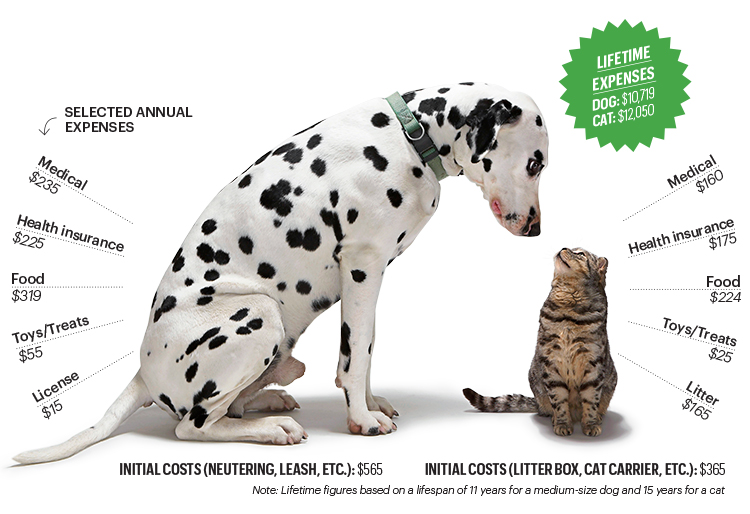
Owning a pet is one of life's greatest joys. The unconditional love, playful companionship, and endless entertainment they provide are truly invaluable. However, responsible pet ownership also comes with significant financial responsibilities. From food and toys to grooming and, most importantly, veterinary care, the costs can quickly add up. This article provides practical and actionable tips to help you save money on pet care without compromising your beloved companion's health and well-being.
Preventative Care is Key: Investing in Long-Term Health
One of the most effective ways to save money on pet care in the long run is to prioritize preventative care. Regular check-ups, vaccinations, parasite prevention, and proper nutrition can help prevent serious health issues from developing, ultimately saving you money on costly treatments down the line.
Annual Veterinary Check-Ups: Catching Problems Early
Schedule annual check-ups with your veterinarian. These routine exams allow your vet to detect potential health problems early on, when they are often easier and less expensive to treat. Early detection can prevent conditions from progressing into more serious and costly illnesses.
Vaccinations and Parasite Prevention: Protecting Against Common Threats
Stay up-to-date on your pet's vaccinations and parasite prevention. Vaccinations protect against common and potentially deadly diseases like rabies, distemper, and parvovirus. Parasite prevention, including heartworm, flea, and tick medication, is crucial for protecting your pet from these common and uncomfortable (and sometimes deadly) infestations. Investing in preventative medications is much cheaper than treating a full-blown infestation or disease.
Proper Nutrition: Fueling a Healthy Life
Feed your pet a high-quality, balanced diet that is appropriate for their age, breed, and activity level. A healthy diet can help prevent obesity, diabetes, and other health problems. Talk to your veterinarian about the best food options for your pet. While premium food might seem expensive upfront, it often leads to better health outcomes and potentially fewer vet visits in the future.
Smart Shopping: Finding Deals and Discounts
Being a savvy shopper can significantly reduce your pet care expenses. There are numerous ways to find deals and discounts on pet supplies, medications, and even veterinary services.
Compare Prices: Online and In-Store
Don't settle for the first price you see. Compare prices on pet food, toys, and medications from different retailers, both online and in-store. Online retailers often offer competitive prices and discounts, but be sure to factor in shipping costs. Also, check for sales, coupons, and loyalty programs.
Consider Generic Medications: Ask Your Vet
Ask your veterinarian if generic versions of your pet's medications are available. Generic medications contain the same active ingredients as brand-name drugs but are often significantly cheaper. Always consult your vet before switching to a generic medication to ensure it is safe and effective for your pet.
Look for Discounts and Promotions: Senior, Military, and Rescue
Many veterinary clinics and pet supply stores offer discounts for seniors, military personnel, and those who have adopted from animal shelters or rescue organizations. Be sure to inquire about these discounts when making appointments or purchases.
Buy in Bulk: Save on Food and Supplies
If you have the storage space, buying pet food and other supplies in bulk can save you money in the long run. Just be sure to properly store the items to prevent spoilage or contamination. This is especially useful for non-perishable items like cat litter or dog waste bags.
Explore Alternative Veterinary Care Options
Traditional veterinary care can be expensive, but there are alternative options that can help you save money without sacrificing your pet's health. These options may not be suitable for all situations, but they are worth considering.
Pet Insurance: Protecting Against Unexpected Costs
Pet insurance can help cover the costs of unexpected veterinary bills, such as those related to accidents, illnesses, or surgeries. While pet insurance premiums can be an added expense, they can provide peace of mind and protect you from financial hardship in the event of a major medical emergency. Research different pet insurance providers and compare their coverage options and premiums before making a decision. Consider factors like deductibles, co-pays, and coverage limits.
Wellness Plans: Budgeting for Routine Care
Some veterinary clinics offer wellness plans that bundle routine services, such as vaccinations, check-ups, and parasite prevention, into a monthly or annual fee. These plans can help you budget for your pet's routine care and often offer discounts on additional services.
Low-Cost Veterinary Clinics: Affordable Options
Many communities have low-cost veterinary clinics that offer basic services at reduced prices. These clinics are often operated by non-profit organizations or government agencies. While they may not offer the same level of amenities as private practices, they can be a great option for pet owners on a tight budget.
Veterinary Schools: Learning and Care
Veterinary schools often offer discounted services to the public as part of their training programs. Students, under the supervision of experienced veterinarians, provide care. This can be a significantly cheaper alternative to private practices, although appointment availability may be limited.
DIY Pet Care: Saving on Grooming and More
Performing some basic pet care tasks at home can save you money on grooming and other services. While professional groomers offer valuable services, you can easily handle some tasks yourself.
Grooming at Home: Brushing, Bathing, and Nail Trims
Regular brushing helps prevent matting and tangles, reducing the need for professional grooming. Bathing your pet at home can also save you money. Be sure to use a pet-specific shampoo and conditioner. Additionally, learning how to trim your pet's nails safely can save you money on vet or groomer visits. Watch videos and ask your vet for guidance before attempting this.
Making Your Own Pet Toys: Creative and Cost-Effective
Instead of buying expensive pet toys, try making your own. Many simple and safe toys can be made from household items, such as old socks, t-shirts, and cardboard boxes. This is a fun and creative way to save money and provide your pet with entertainment.
Homemade Pet Treats: Healthy and Affordable
You can also make your own pet treats using simple ingredients. There are many recipes available online for healthy and affordable pet treats. This allows you to control the ingredients and avoid processed foods and additives.

0 Comments