
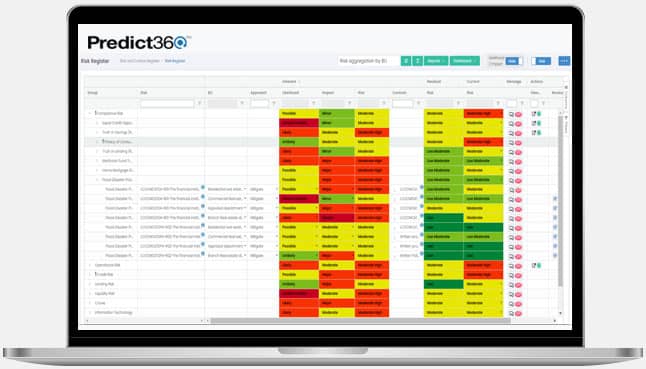
Understanding the Importance of Risk Management Software for Enterprises
In today's complex and rapidly evolving business environment, enterprises face a multitude of risks that can significantly impact their operations, financial stability, and reputation. These risks can range from internal threats like operational inefficiencies and data breaches to external challenges such as economic downturns, regulatory changes, and natural disasters. Effective risk management is no longer a luxury but a necessity for enterprises to navigate these uncertainties and achieve sustainable growth.
Risk management software for enterprises provides a centralized and structured approach to identify, assess, monitor, and mitigate risks across the organization. It empowers businesses to make informed decisions, improve operational resilience, and comply with relevant regulations. By automating key risk management processes, these software solutions enable enterprises to proactively address potential threats and capitalize on opportunities.
Key Features and Benefits of Risk Management Software
A robust risk management software solution offers a wide range of features designed to streamline and enhance the risk management process. Some of the core functionalities include:
Risk Identification and Assessment
The software should facilitate the systematic identification of potential risks across different business units and functions. This includes capturing risk descriptions, potential impact, and likelihood of occurrence. Risk assessment tools allow organizations to prioritize risks based on their severity and potential consequences.
Risk Monitoring and Reporting
Real-time monitoring of key risk indicators (KRIs) is crucial for early detection of emerging threats. The software should provide customizable dashboards and reports that offer a clear overview of the organization's risk profile. Automated alerts and notifications can be configured to escalate critical issues to the appropriate stakeholders.
Risk Mitigation and Control
The software should support the development and implementation of risk mitigation strategies. This includes defining control measures, assigning responsibilities, and tracking progress. A centralized repository for policies and procedures ensures that everyone in the organization is aware of their roles and responsibilities in managing risks.
Compliance Management
Many industries are subject to strict regulatory requirements. Risk management software can help enterprises comply with these regulations by providing tools for tracking compliance obligations, conducting audits, and generating reports. This ensures that the organization meets its legal and ethical responsibilities.
Incident Management
Despite the best efforts, incidents can still occur. The software should provide a framework for managing incidents, including reporting, investigation, and resolution. This allows organizations to learn from past mistakes and improve their risk management processes.
Benefits of Implementing Risk Management Software:
- Improved decision-making: By providing a clear understanding of potential risks and their impact, the software enables businesses to make more informed decisions.
- Enhanced operational resilience: Proactive risk management helps organizations prepare for and respond to disruptions, minimizing the impact on their operations.
- Increased compliance: The software helps ensure compliance with relevant regulations, reducing the risk of fines and penalties.
- Reduced costs: By preventing or mitigating potential losses, the software can help organizations save money.
- Improved reputation: Effective risk management can enhance an organization's reputation and build trust with stakeholders.
Choosing the Right Risk Management Software for Your Enterprise
Selecting the right risk management software is a critical decision that requires careful consideration of your organization's specific needs and requirements. Here are some key factors to consider:
Scalability and Flexibility
The software should be able to scale to meet the growing needs of your enterprise. It should also be flexible enough to adapt to changing business conditions and regulatory requirements. Cloud-based solutions often offer greater scalability and flexibility compared to on-premise solutions.
Integration Capabilities
The software should be able to integrate with your existing systems, such as ERP, CRM, and HR systems. This will allow you to consolidate data from different sources and gain a more holistic view of your organization's risk profile.
User-Friendliness
The software should be easy to use and intuitive. This will encourage adoption and ensure that everyone in the organization can effectively use the software to manage risks. Look for software with a user-friendly interface, comprehensive training materials, and responsive customer support.
Reporting and Analytics
The software should provide robust reporting and analytics capabilities. This will allow you to track key risk indicators, identify trends, and generate reports for stakeholders. Customizable dashboards and reports are essential for effective risk monitoring.
Vendor Reputation and Support
Choose a reputable vendor with a proven track record of providing reliable and high-quality software. Look for vendors that offer comprehensive support and training services. Check online reviews and testimonials to get a sense of the vendor's reputation.
The Future of Risk Management Software
Risk management software is constantly evolving to meet the changing needs of enterprises. Emerging trends in the industry include:
Artificial Intelligence (AI) and Machine Learning (ML)
AI and ML are being used to automate risk identification, assessment, and monitoring. These technologies can analyze large datasets to identify patterns and predict potential risks. AI-powered risk management software can also provide personalized recommendations for mitigating risks.
Cloud-Based Solutions
Cloud-based risk management software is becoming increasingly popular due to its scalability, flexibility, and cost-effectiveness. Cloud solutions also offer improved accessibility and collaboration.
Integration with Governance, Risk, and Compliance (GRC) Platforms
Risk management software is increasingly being integrated with GRC platforms to provide a more holistic view of an organization's risk, compliance, and governance posture. This integration allows enterprises to manage these functions more efficiently and effectively.
Focus on Cybersecurity Risks
With the increasing threat of cyberattacks, risk management software is now focusing on addressing cybersecurity risks. These solutions provide tools for identifying vulnerabilities, assessing cyber risks, and implementing security controls.
In conclusion, risk management software is an essential tool for enterprises to navigate the complexities of today's business environment. By implementing a robust risk management software solution, organizations can improve decision-making, enhance operational resilience, and comply with relevant regulations.

0 Comments