
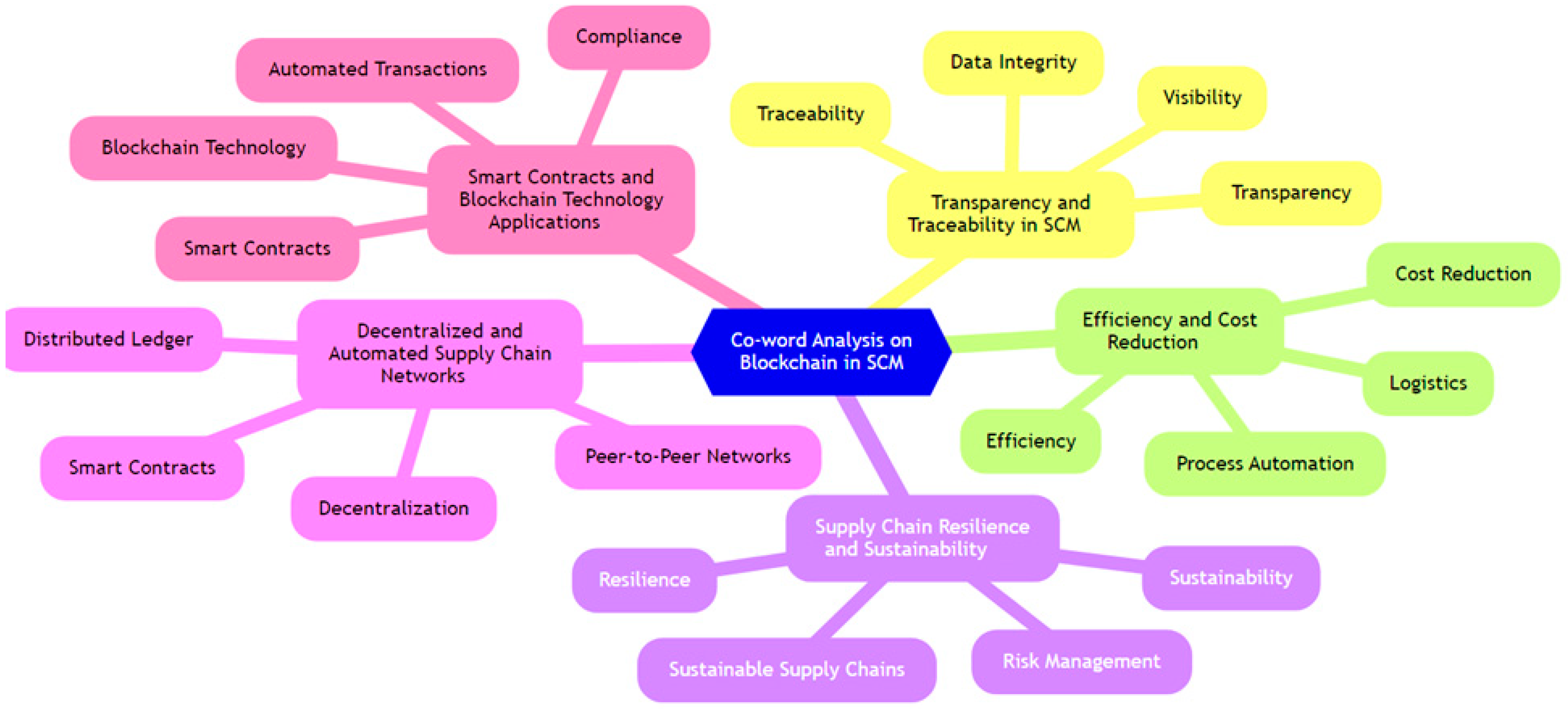
Introduction to Blockchain in Supply Chain Management
In today's complex and interconnected global economy, supply chain management faces numerous challenges. These include a lack of transparency, inefficient tracking systems, counterfeiting issues, and difficulties in verifying product origins. Blockchain technology offers a compelling solution to these problems, promising to revolutionize how goods and information flow through supply chains.
Blockchain, at its core, is a decentralized, distributed, and immutable ledger. This means that data is stored across a network of computers, making it incredibly secure and resistant to tampering. Each transaction or piece of information is grouped into a "block," which is then cryptographically linked to the previous block, forming a chain. This creates a permanent and auditable record of every event in the supply chain.
Key Benefits of Blockchain in Supply Chain
Implementing blockchain technology in supply chain management offers a multitude of benefits. Let's explore some of the most significant advantages:
Enhanced Transparency and Traceability
One of the most significant advantages of blockchain is its ability to provide end-to-end transparency and traceability. By recording every step of a product's journey on the blockchain, from its origin to the consumer, companies can gain unprecedented visibility into their supply chains. This allows them to track products in real-time, identify potential bottlenecks or delays, and quickly respond to disruptions.
For example, consider the food industry. With blockchain, consumers can scan a QR code on a product and instantly access information about its origin, production methods, and transportation history. This level of transparency builds trust and allows consumers to make informed purchasing decisions.
Improved Security and Reduced Counterfeiting
The immutable nature of blockchain makes it extremely difficult to tamper with or counterfeit data. Once a transaction is recorded on the blockchain, it cannot be altered or deleted. This provides a high level of security and helps to prevent fraudulent activities. By verifying the authenticity of products at each stage of the supply chain, companies can significantly reduce the risk of counterfeiting and protect their brand reputation.
This is particularly important in industries such as pharmaceuticals and luxury goods, where counterfeiting is a major problem. Blockchain can help to ensure that only genuine products reach consumers, protecting their health and safety.
Increased Efficiency and Reduced Costs
Blockchain can streamline supply chain processes and reduce administrative overhead. By automating tasks such as tracking shipments, verifying invoices, and managing payments, companies can save time and money. The decentralized nature of blockchain also eliminates the need for intermediaries, reducing transaction costs and improving efficiency.
For instance, smart contracts, which are self-executing contracts written into the blockchain, can automate the payment process once certain conditions are met. This eliminates the need for manual intervention and reduces the risk of errors.
Improved Collaboration and Communication
Blockchain facilitates better collaboration and communication between all stakeholders in the supply chain. By sharing information on a secure and transparent platform, companies can improve coordination and reduce the risk of misunderstandings. This can lead to more efficient operations and stronger relationships with suppliers, distributors, and customers.
All participants in the supply chain can access the same information, creating a single source of truth. This eliminates discrepancies and ensures that everyone is on the same page.
Specific Blockchain Technology Applications in Supply Chain
Tracking and Tracing Goods
This is perhaps the most common application. Blockchain allows for real-time tracking of goods throughout the entire supply chain. Each time a product changes hands or reaches a new milestone, the information is recorded on the blockchain. This provides a complete and auditable history of the product's journey.
This is particularly useful for tracking high-value items, perishable goods, or products with complex supply chains.
Supply Chain Finance
Blockchain can streamline supply chain finance by automating invoice processing and payments. Smart contracts can be used to automatically release payments once certain conditions are met, such as the delivery of goods or the completion of a service. This reduces delays and improves cash flow for suppliers.
Provenance Tracking
Verifying the origin and authenticity of products is crucial in many industries. Blockchain can be used to track the provenance of goods, ensuring that they are ethically sourced and meet quality standards. This is especially important in industries such as agriculture, where consumers are increasingly concerned about the origin and sustainability of their food.
Inventory Management
Blockchain can improve inventory management by providing real-time visibility into stock levels. This allows companies to optimize their inventory levels, reduce waste, and prevent stockouts. By tracking the movement of goods on the blockchain, companies can gain a more accurate picture of their inventory and make better decisions about when to reorder.
Compliance and Regulatory Reporting
Blockchain can simplify compliance and regulatory reporting by providing a tamper-proof record of all transactions and events in the supply chain. This makes it easier for companies to demonstrate compliance with regulations and audits.
Examples of Blockchain Implementation in Supply Chain
Walmart and Food Traceability
Walmart has been a pioneer in using blockchain for food traceability. They have implemented a blockchain-based system to track the origin and journey of various food products, such as mangoes and pork. This allows them to quickly identify the source of any foodborne illnesses and remove contaminated products from the shelves. The system has significantly reduced the time it takes to trace a product back to its origin, from days to just seconds.
De Beers and Diamond Tracking
De Beers, the world's largest diamond company, uses blockchain to track diamonds from the mine to the retail store. This helps to ensure that the diamonds are ethically sourced and free from conflict. The blockchain system provides a tamper-proof record of each diamond's journey, allowing consumers to verify its authenticity.
Maersk and TradeLens
Maersk, one of the world's largest shipping companies, has partnered with IBM to create TradeLens, a blockchain-based platform that streamlines global trade. TradeLens connects various stakeholders in the shipping industry, including shipping lines, ports, customs authorities, and freight forwarders. This allows them to share information in real-time, reducing delays and improving efficiency.
Challenges and Considerations
While blockchain offers significant benefits for supply chain management, there are also some challenges and considerations to keep in mind:
Scalability
Some blockchain networks may struggle to handle the high volume of transactions required for large-scale supply chains. As the number of transactions increases, the network may become congested, leading to slower processing times and higher fees.
Interoperability
Different blockchain platforms may not be compatible with each other, making it difficult to share data across different supply chains. Interoperability is crucial for creating a truly seamless and connected supply chain ecosystem.
Data Privacy
Sharing sensitive data on a public blockchain may raise privacy concerns. Companies need to carefully consider what information they share on the blockchain and implement appropriate security measures to protect sensitive data.
Regulation
The regulatory landscape for blockchain technology is still evolving. Companies need to stay informed about the latest regulations and ensure that their blockchain implementations comply with all applicable laws.
Cost of Implementation
Implementing blockchain technology can be expensive, requiring significant investments in hardware, software, and expertise. Companies need to carefully weigh the costs and benefits of blockchain before making a decision.

0 Comments