
Retirement Planning: The Foundation for a Lasting Legacy
Retirement planning is often viewed as a purely personal endeavor, focused on accumulating enough assets to comfortably cover living expenses during your golden years. While this is undeniably a crucial aspect, it's equally important to consider how your retirement plan can serve as a foundation for your legacy. Integrating legacy planning into your retirement strategy allows you to ensure that your values, assets, and wishes are carried out according to your intentions, benefiting your loved ones and the causes you care about.
Understanding the Interconnection
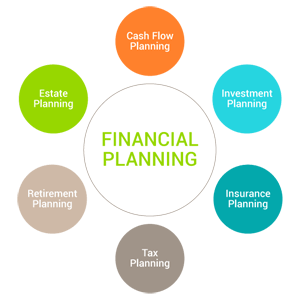
Retirement planning and legacy planning are not mutually exclusive; they are interconnected components of a holistic financial strategy. A well-structured retirement plan provides the financial security needed to support your desired lifestyle during retirement, while a comprehensive legacy plan ensures that your assets are distributed according to your wishes after your passing. By integrating these two aspects, you can create a powerful framework that safeguards your financial well-being and leaves a lasting positive impact.
Key Components of Integrating Retirement and Legacy Planning
Successfully integrating retirement and legacy planning involves several key components that should be carefully considered and implemented.
1. Defining Your Legacy Goals
The first step is to clearly define your legacy goals. What values do you want to pass on to future generations? What impact do you want to make on your family, community, or the world? Do you have specific charitable causes you want to support? Articulating your legacy goals will provide a roadmap for your planning efforts.
2. Assessing Your Current Financial Situation
A thorough assessment of your current financial situation is essential. This includes evaluating your assets, liabilities, income, and expenses. Understanding your financial resources will help you determine how much you can allocate to legacy planning without jeopardizing your retirement security. Consider factors such as your estimated retirement expenses, potential healthcare costs, and inflation.
3. Developing a Comprehensive Retirement Plan
A robust retirement plan is the cornerstone of any successful integration strategy. This plan should outline your retirement income needs, investment strategy, and withdrawal plan. It should also consider potential risks, such as market volatility, inflation, and unexpected healthcare expenses. Work with a qualified financial advisor to develop a customized retirement plan that aligns with your goals and risk tolerance.
4. Incorporating Estate Planning Tools
Estate planning tools are crucial for ensuring that your assets are distributed according to your wishes and that your legacy goals are achieved. Some common estate planning tools include:
a. Wills
A will is a legal document that outlines how you want your assets to be distributed after your death. It's essential to have a valid will to ensure that your wishes are respected and that your assets are distributed efficiently.
b. Trusts
Trusts are legal arrangements that allow you to transfer assets to a trustee, who manages them on behalf of beneficiaries. Trusts can be used to avoid probate, protect assets from creditors, and provide for the long-term care of loved ones.
c. Power of Attorney
A power of attorney is a legal document that authorizes someone to act on your behalf in financial and legal matters if you become incapacitated. This ensures that your affairs are managed according to your wishes if you are unable to do so yourself.
d. Healthcare Directives
Healthcare directives, also known as living wills, outline your wishes regarding medical treatment if you are unable to make decisions for yourself. This ensures that your healthcare preferences are respected and that your loved ones are not burdened with making difficult decisions without guidance.
5. Planning for Long-Term Care
Long-term care expenses can significantly impact your retirement savings and your ability to leave a legacy. Consider purchasing long-term care insurance or exploring other strategies to mitigate the financial risks associated with long-term care. Planning for long-term care can help protect your assets and ensure that you can continue to support your legacy goals.
6. Charitable Giving Strategies
If you are passionate about supporting charitable causes, consider incorporating charitable giving strategies into your retirement and legacy plans. This can include making outright donations, establishing a charitable trust, or naming a charity as a beneficiary in your will or retirement account. Charitable giving can provide tax benefits and help you make a positive impact on the world.
7. Regularly Reviewing and Updating Your Plans
Retirement and legacy planning are not one-time events; they require ongoing review and updates. As your financial situation, family circumstances, and legal landscape change, it's essential to adjust your plans accordingly. Regularly reviewing your plans with a qualified financial advisor and estate planning attorney will ensure that they remain aligned with your goals and objectives.
The Benefits of Integrated Planning
Integrating retirement planning with legacy planning offers numerous benefits, including:
- Financial Security: Ensures that you have sufficient resources to support your desired lifestyle during retirement.
- Peace of Mind: Provides peace of mind knowing that your assets will be distributed according to your wishes and that your loved ones will be taken care of.
- Tax Efficiency: Can help minimize taxes and maximize the value of your estate.
- Protection of Assets: Can protect your assets from creditors and lawsuits.
- Preservation of Values: Allows you to pass on your values and beliefs to future generations.
- Positive Impact: Enables you to make a positive impact on your family, community, and the world.
Seeking Professional Guidance
Retirement and legacy planning can be complex and require specialized knowledge. It's highly recommended to seek guidance from qualified professionals, such as financial advisors, estate planning attorneys, and tax advisors. These professionals can help you develop a customized plan that meets your specific needs and objectives.
Conclusion
By carefully integrating retirement planning with legacy planning, you can create a powerful framework that secures your financial future and ensures that your values, assets, and wishes are carried out according to your intentions. This holistic approach not only provides financial security for your retirement years but also allows you to leave a lasting positive impact on your loved ones and the causes you care about. Start planning today to build a secure future and a meaningful legacy.

0 Comments