
Understanding the Intersection of Retirement Planning, Estate Taxes, and Inheritance
Retirement planning isn't solely about accumulating enough funds to live comfortably during your golden years. It also involves strategically managing your assets to minimize estate taxes and ensure a smooth and efficient transfer of wealth to your heirs. This intricate dance between retirement savings, tax implications, and inheritance considerations requires careful planning and a proactive approach.
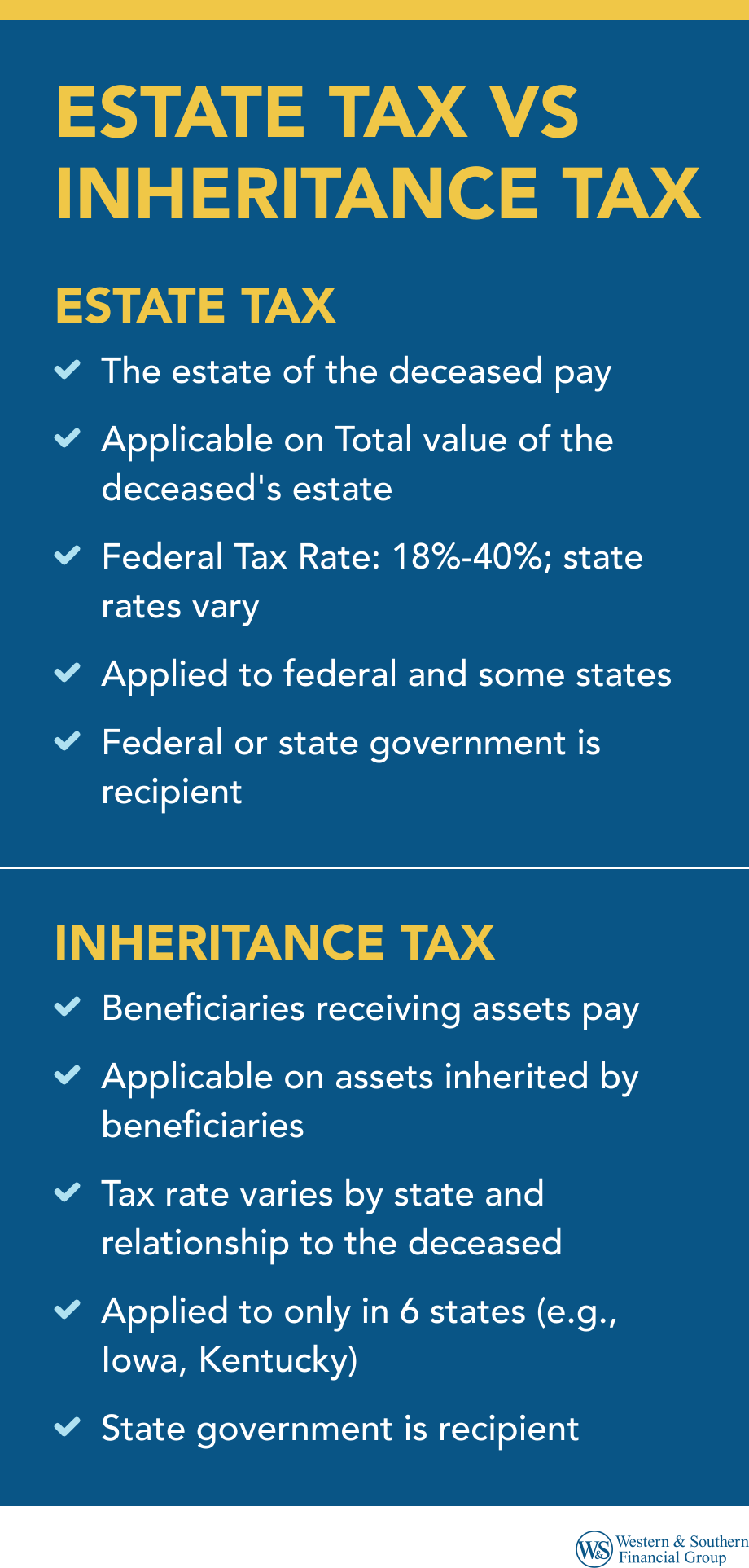
Estate taxes, often referred to as "death taxes," are levied on the transfer of your estate's assets to your beneficiaries after your death. The specific rules and regulations governing estate taxes vary significantly depending on your location (e.g., federal vs. state laws in the US). Understanding these nuances is crucial for effective estate planning.
Inheritance, on the other hand, refers to the assets and property you leave behind for your loved ones. Proper planning ensures that your wishes are honored and that the inheritance process is as streamlined as possible, minimizing potential conflicts and tax burdens for your beneficiaries.
Key Considerations for Retirement Planning and Estate Taxes
Several key factors need to be considered when integrating retirement planning with estate tax mitigation:
Asset Allocation and Tax-Advantaged Accounts
The way you allocate your assets across different account types can have a significant impact on your estate tax liability. Tax-advantaged retirement accounts, such as 401(k)s and IRAs, offer tax benefits during your working years. However, withdrawals in retirement are typically taxed as ordinary income, and the remaining balance at death can be subject to estate taxes.
Consider diversifying your investments across taxable, tax-deferred, and tax-exempt accounts. This provides greater flexibility in managing your tax liabilities throughout retirement and in the distribution of your estate.
Gifting Strategies
Gifting assets during your lifetime is a powerful tool for reducing the size of your taxable estate. Many jurisdictions allow for annual gift tax exclusions, meaning you can gift a certain amount of money or property to individuals each year without incurring gift tax. This can significantly reduce your estate tax liability over time.
However, it's essential to carefully consider the tax implications of gifting and to ensure that you retain sufficient assets to meet your own retirement needs. Consulting with a financial advisor and tax professional is crucial to developing a gifting strategy that aligns with your overall financial goals.
Trusts and Wills
Establishing a comprehensive estate plan, including a will and potentially trusts, is paramount for managing your assets and ensuring your wishes are carried out after your death. A will dictates how your assets will be distributed to your beneficiaries. Trusts, on the other hand, offer greater flexibility and control over the distribution of assets, and can also provide tax benefits.
There are various types of trusts, each with its own unique features and benefits. For example, a revocable living trust allows you to maintain control over your assets during your lifetime while avoiding probate upon your death. An irrevocable trust, on the other hand, offers greater asset protection and potential tax benefits, but it also relinquishes some control over your assets.
Choosing the right type of trust depends on your individual circumstances and goals. Consulting with an estate planning attorney is essential to determine the most appropriate trust structure for your needs.
Life Insurance
Life insurance can play a vital role in estate planning, particularly for covering estate taxes and providing financial security for your heirs. Life insurance proceeds are generally income tax-free to your beneficiaries and can be used to pay estate taxes, debts, or other expenses.
The ownership structure of your life insurance policy is crucial for estate tax purposes. If you own the policy, the death benefit will be included in your taxable estate. To avoid this, you can establish an irrevocable life insurance trust (ILIT) to own the policy. This ensures that the death benefit is not subject to estate taxes.
Strategies for Minimizing Estate Taxes and Maximizing Inheritance
Here are some specific strategies to consider when planning for estate taxes and inheritance:
Qualified Charitable Distributions (QCDs)
If you are age 70 ½ or older, you can make qualified charitable distributions (QCDs) from your IRA directly to a qualified charity. QCDs are excluded from your taxable income and can satisfy your required minimum distributions (RMDs). This can lower your adjusted gross income (AGI), potentially reducing your tax liability and the size of your taxable estate.
Roth Conversions
Converting traditional IRA assets to a Roth IRA can be a tax-efficient strategy, especially if you anticipate being in a higher tax bracket in retirement. While you'll pay income tax on the conversion, future withdrawals from the Roth IRA will be tax-free, and the assets will not be subject to required minimum distributions during your lifetime. This can be particularly beneficial for leaving a tax-advantaged inheritance to your heirs.
Using the Annual Gift Tax Exclusion
As mentioned earlier, utilizing the annual gift tax exclusion can significantly reduce your taxable estate over time. Regularly gifting assets to your children, grandchildren, or other loved ones allows you to transfer wealth outside of your estate without incurring gift tax. Keep track of your gifting and consult with a professional to ensure compliance with current regulations.
Reviewing and Updating Your Estate Plan Regularly
Estate planning is not a one-time event. It's essential to review and update your estate plan periodically to reflect changes in your financial situation, family circumstances, and tax laws. Life events such as marriage, divorce, birth of a child, or significant changes in asset values can necessitate revisions to your will, trusts, and other estate planning documents.
Seeking Professional Guidance
Navigating the complexities of retirement planning, estate taxes, and inheritance requires expertise and careful consideration. It's highly recommended to consult with a qualified financial advisor, estate planning attorney, and tax professional to develop a comprehensive plan that aligns with your individual goals and circumstances.
These professionals can provide personalized advice on asset allocation, gifting strategies, trust structures, life insurance options, and other estate planning techniques. They can also help you stay abreast of changes in tax laws and regulations, ensuring that your estate plan remains effective and up-to-date.

0 Comments