
Retirement Planning: A New Perspective for Aspiring Entrepreneurs
Retirement isn't what it used to be. Gone are the days of solely focusing on relaxation and leisure. Today, many retirees are looking for new challenges and opportunities to stay active, engaged, and financially secure. One increasingly popular path is starting a business in retirement. But before diving headfirst into entrepreneurship, it's crucial to re-evaluate your retirement plan with this new venture in mind. This means considering how your business will impact your savings, income streams, and overall financial well-being.
Assessing Your Financial Landscape Before Launching
Before you even begin brainstorming business ideas, take a hard look at your current financial situation. This assessment will form the foundation of your retirement plan and help you determine how much capital you can realistically allocate to your new business.
Calculating Your Retirement Nest Egg
Start by calculating the total value of your retirement accounts, including 401(k)s, IRAs, pensions, and other investments. Understand how much income these accounts are projected to generate annually. Factor in inflation and consider whether your current savings will be sufficient to cover your basic living expenses throughout retirement, even without income from a business.
Analyzing Existing Income Streams
Identify all existing sources of income, such as Social Security benefits, pensions, annuities, and part-time work. Determine how reliable and consistent these income streams are and how they might be affected by starting a business. For instance, could self-employment income impact your Social Security benefits?
Evaluating Your Debt and Liabilities
List all outstanding debts, including mortgages, car loans, credit card balances, and any other financial obligations. High levels of debt can put a strain on your finances and limit your ability to invest in your business. Consider strategies for reducing or eliminating debt before launching your venture.
Determining Your Risk Tolerance
Starting a business involves risk. Evaluate your comfort level with risk and how much potential loss you can tolerate. Entrepreneurship can be volatile, and there's no guarantee of success. Understanding your risk tolerance will help you make informed decisions about funding your business and managing your finances.
Funding Your Entrepreneurial Dream: Exploring Options
Once you have a clear understanding of your financial landscape, you can explore different funding options for your business. The right funding strategy will depend on your individual circumstances, the nature of your business, and your risk tolerance.
Bootstrapping: Leveraging Personal Savings
Bootstrapping involves funding your business using your own savings and resources. This is often the most common approach for retirees starting a business, as it allows you to maintain control and avoid taking on debt. However, it's crucial to be realistic about the amount of capital you can afford to invest without jeopardizing your retirement security.
Small Business Loans and Grants
Explore small business loans offered by banks, credit unions, and online lenders. The Small Business Administration (SBA) also offers various loan programs designed to support small businesses. Additionally, research grants specifically targeted towards entrepreneurs, including those offered by government agencies, non-profit organizations, and private foundations. Keep in mind that securing a loan or grant can be competitive and may require a detailed business plan and strong credit history.
Angel Investors and Venture Capital
Angel investors are individuals who invest their own money in early-stage companies. Venture capitalists are firms that invest in high-growth potential businesses. While these options can provide significant funding, they typically involve giving up some equity and control of your company. This route might be more suitable for businesses with significant scalability and a clear path to profitability.
Crowdfunding: Tapping into Community Support
Crowdfunding platforms allow you to raise money from a large number of people, typically in exchange for rewards or equity. This can be a great way to validate your business idea, build a customer base, and secure funding without taking on debt or giving up equity. However, successful crowdfunding campaigns require significant effort in marketing and promotion.
Part-Time Employment and Consulting
Consider maintaining a part-time job or offering consulting services while you're starting your business. This can provide a steady stream of income to supplement your retirement savings and cover living expenses, reducing the pressure on your business to generate immediate profits.
Adjusting Your Retirement Plan for Entrepreneurial Success
Starting a business in retirement requires a flexible and adaptive retirement plan. You need to be prepared to adjust your savings and spending habits as your business evolves.
Re-evaluating Your Budget and Expenses
Create a detailed budget that accounts for both your personal and business expenses. Track your spending carefully and identify areas where you can cut back. Be prepared to make sacrifices in your lifestyle to support your business in its early stages.
Delaying Social Security Benefits (Potentially)
While it might be tempting to start receiving Social Security benefits as soon as you're eligible, delaying them can significantly increase your monthly payments. If you can afford to delay Social Security while you're building your business, you'll have a larger safety net in the future.
Diversifying Your Investments
Don't put all your eggs in one basket. Diversify your investments across different asset classes to reduce risk. This is especially important when you're starting a business, as your business itself represents a significant investment.
Seeking Professional Financial Advice
Consult with a qualified financial advisor who can help you develop a comprehensive retirement plan that incorporates your entrepreneurial goals. A financial advisor can provide personalized guidance on investment strategies, tax planning, and risk management.
Tax Implications of Starting a Business in Retirement
Starting a business in retirement can have significant tax implications. It's essential to understand how your business income will be taxed and how it might affect your Social Security benefits and other retirement income.
Self-Employment Taxes
As a business owner, you'll be responsible for paying self-employment taxes, which include Social Security and Medicare taxes. These taxes are typically paid quarterly. Be sure to factor these taxes into your budget and plan accordingly.
Deducting Business Expenses
You can deduct many business expenses from your taxable income, such as office supplies, marketing costs, and travel expenses. Keep accurate records of all your business expenses to maximize your deductions.
Retirement Account Contributions
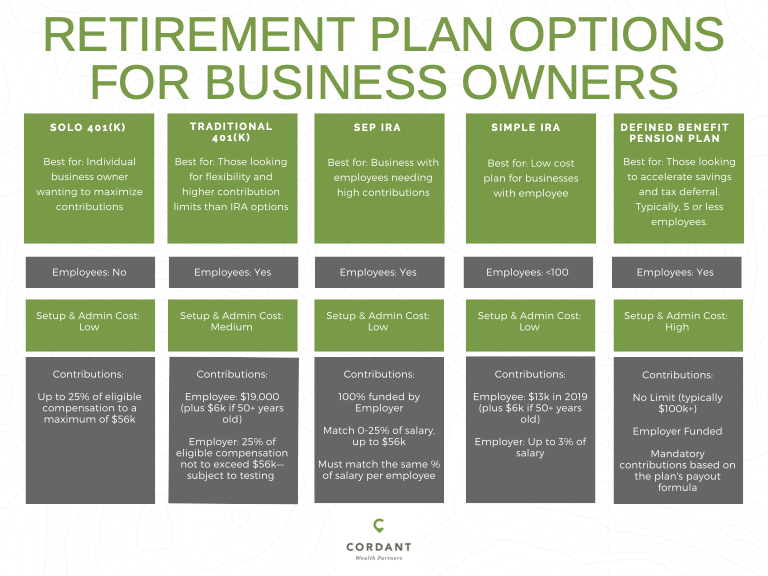
Depending on the structure of your business, you may be able to contribute to a retirement account, such as a SEP IRA or Solo 401(k). These contributions are tax-deductible and can help you save for retirement while reducing your current tax liability.
Consulting a Tax Professional
Navigating the tax implications of starting a business can be complex. Consult with a qualified tax professional who can provide personalized advice and help you minimize your tax burden.

0 Comments