
Life After Bankruptcy: Starting the Credit Rebuilding Journey
Filing for bankruptcy can feel like hitting rock bottom financially. While it provides much-needed relief from overwhelming debt, it also leaves a significant mark on your credit report. This mark can make it difficult to obtain loans, rent an apartment, or even get approved for a standard credit card in the future. However, bankruptcy doesn't have to be a life sentence for your credit score. One of the most effective tools for rebuilding credit after bankruptcy is a secured credit card.
Understanding Secured Credit Cards
A secured credit card is a type of credit card that requires you to provide a security deposit. This deposit acts as collateral for the credit line. The credit limit on the card is typically equal to the amount of the deposit. For example, if you deposit $500, you'll likely have a credit limit of $500. This reduces the risk for the card issuer, making it easier for individuals with poor credit or limited credit history to get approved.
How Secured Credit Cards Differ from Unsecured Credit Cards
Unlike unsecured credit cards, which rely on your creditworthiness to determine approval and credit limits, secured credit cards are backed by your own funds. This is the primary difference and the reason why they are a viable option for those with a bankruptcy on their record. Unsecured cards are riskier for the issuer, hence the stricter approval criteria. Secured cards offer a pathway to responsible credit use and rebuilding trust with lenders.
Why Secured Credit Cards are Effective for Credit Rebuilding After Bankruptcy
Several factors contribute to the effectiveness of secured credit cards in rebuilding credit after bankruptcy:
Reporting to Credit Bureaus
The most crucial aspect of using a secured credit card for credit rebuilding is ensuring that the card issuer reports your payment activity to the three major credit bureaus: Experian, Equifax, and TransUnion. Each month, the issuer reports your credit limit, balance, and payment history. Consistent on-time payments will be reflected positively on your credit report, gradually improving your credit score. If the issuer doesn't report to the credit bureaus, the card won't help you rebuild your credit.
Demonstrating Responsible Credit Management
Using a secured credit card responsibly demonstrates to lenders that you can manage credit effectively. By making timely payments and keeping your credit utilization low (ideally below 30% of your credit limit), you prove that you are a reliable borrower. This positive payment history is a powerful signal to potential lenders that you are less of a credit risk.
Establishing a Positive Credit History
Bankruptcy negatively impacts your credit history. A secured credit card allows you to start building a new, positive credit history. Over time, the positive impact of responsible credit card use can outweigh the negative impact of the bankruptcy on your credit report. The longer you use the card responsibly, the more your credit score will improve.
Choosing the Right Secured Credit Card
Not all secured credit cards are created equal. When choosing a secured credit card to rebuild your credit after bankruptcy, consider the following factors:
Interest Rates and Fees
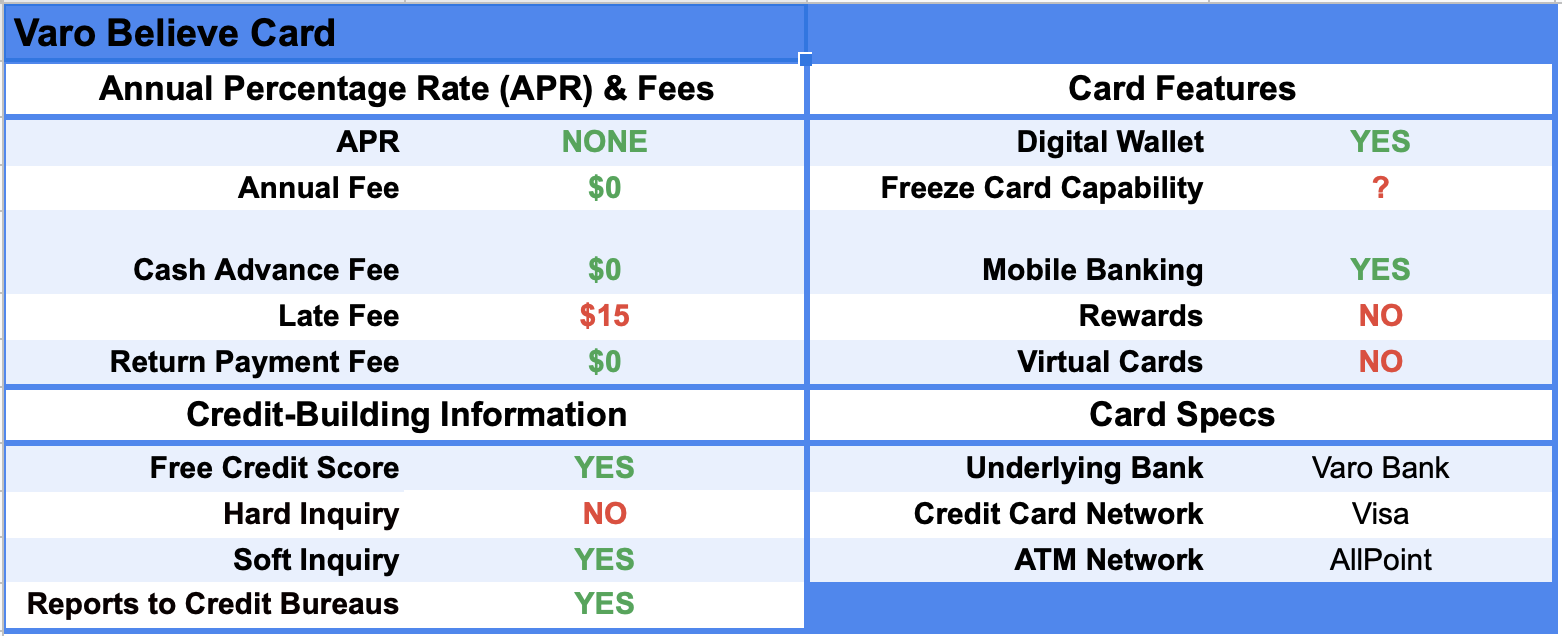
Pay close attention to the interest rate (APR) and any associated fees, such as annual fees, monthly fees, or late payment fees. While you should aim to pay off your balance in full each month to avoid interest charges, it's still important to choose a card with a reasonable APR in case you occasionally carry a balance. Also, compare the annual fees, as some cards charge exorbitant fees that can negate the benefits of using the card.
Reporting Practices
Confirm that the card issuer reports to all three major credit bureaus. This is essential for the card to contribute to your credit rebuilding efforts. You can usually find this information on the card issuer's website or by contacting their customer service department.
Credit Limit and Security Deposit Requirements
Consider the minimum and maximum security deposit requirements and the corresponding credit limits. Choose a card that aligns with your budget and financial goals. A higher credit limit can be beneficial, but only if you can manage it responsibly.
Graduation to an Unsecured Card
Some secured credit cards offer the possibility of graduating to an unsecured credit card after a period of responsible use. This means that the issuer may return your security deposit and convert your account to an unsecured card with a higher credit limit. This is a desirable feature, as it signifies that you have successfully rebuilt your credit and are now considered a lower credit risk.
Tips for Using a Secured Credit Card to Rebuild Credit Effectively
To maximize the benefits of using a secured credit card for credit rebuilding, follow these tips:
Make Timely Payments
This is the most important factor in rebuilding your credit. Always pay your bill on time, every time. Even a single late payment can negatively impact your credit score. Set up automatic payments to ensure you never miss a due date.
Keep Credit Utilization Low
Credit utilization is the amount of credit you're using compared to your total credit limit. Aim to keep your credit utilization below 30%. For example, if your credit limit is $500, try to keep your balance below $150. Lower credit utilization demonstrates responsible credit management and can significantly boost your credit score.
Monitor Your Credit Report
Regularly monitor your credit report to track your progress and identify any errors. You can obtain a free copy of your credit report from each of the three major credit bureaus annually at AnnualCreditReport.com. Dispute any inaccuracies you find with the credit bureau.
Avoid Applying for Too Much Credit
Applying for multiple credit cards or loans in a short period can negatively impact your credit score. Each application triggers a hard inquiry on your credit report, which can lower your score slightly. Focus on using your secured credit card responsibly and avoid applying for new credit until your credit score improves.
Be Patient
Rebuilding credit after bankruptcy takes time and effort. It won't happen overnight. Be patient and consistent with your responsible credit card use, and you will eventually see improvements in your credit score. It typically takes several months to a year to see significant positive changes.
Beyond Secured Credit Cards: Other Strategies for Credit Rebuilding
While secured credit cards are a powerful tool for rebuilding credit after bankruptcy, they are not the only option. Consider these additional strategies:
Become an Authorized User
Ask a trusted friend or family member with a good credit history to add you as an authorized user on their credit card. Their responsible use of the card will be reflected on your credit report, helping to improve your credit score. However, be aware that their negative credit behavior will also affect your credit, so choose your authorized user carefully.
Credit Builder Loans
Credit builder loans are designed to help individuals with poor credit build a positive payment history. With these loans, you make payments over a set period, and the lender reports your payment activity to the credit bureaus. The funds from the loan are typically held in a savings account until the loan is paid off. Then, you receive the funds.
Secured Loans
Similar to secured credit cards, secured loans require collateral, such as a car or savings account. Making timely payments on a secured loan can help improve your credit score.

0 Comments