
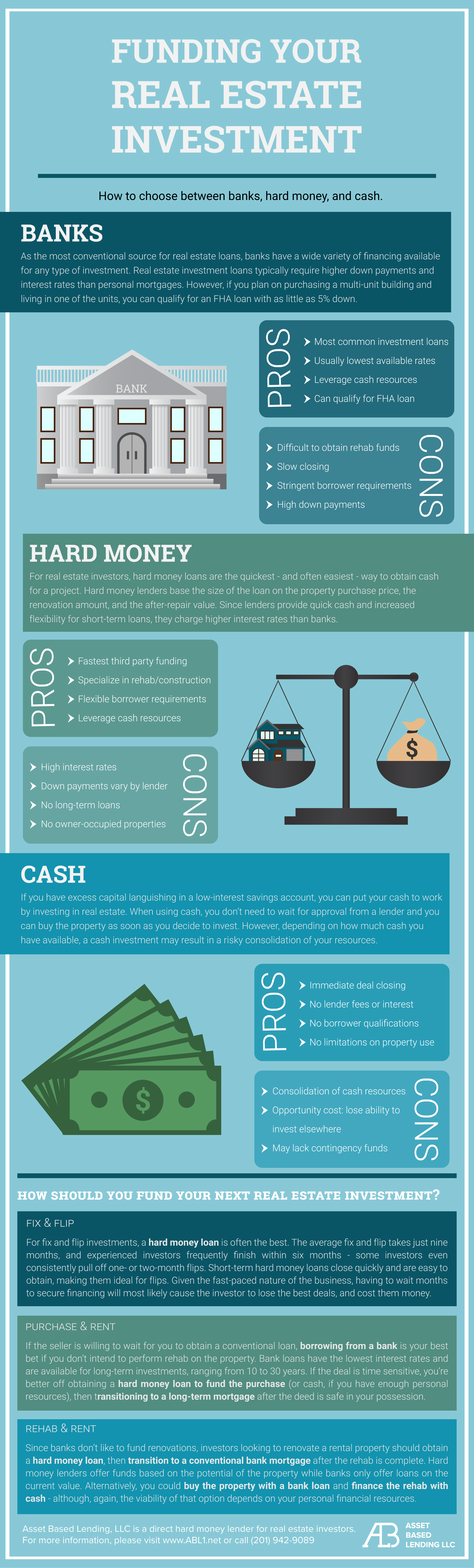
Understanding Real Estate Investing with Bank Loans
Real estate investing can be a lucrative venture, offering the potential for long-term wealth creation and passive income. However, acquiring properties often requires significant capital. Many investors turn to bank loans to finance their real estate acquisitions. This guide explores the ins and outs of using bank loans for real estate investing, covering various loan types, strategies, and considerations.
Why Use Bank Loans for Real Estate Investing?
Using bank loans allows investors to leverage their capital, meaning they can control a larger asset with a smaller initial investment. This leverage can amplify returns, but it also comes with increased risk. Here are some key benefits of using bank loans for real estate investing:
- Increased Purchasing Power: Loans allow you to buy properties you couldn't afford otherwise.
- Leveraged Returns: If the property appreciates in value, your return on investment is based on the total property value, not just your initial investment.
- Tax Benefits: Mortgage interest payments are often tax-deductible, reducing your overall tax burden.
- Portfolio Diversification: By using loans, you can diversify your real estate portfolio by acquiring multiple properties.
- Faster Growth: Loans enable faster expansion of your real estate holdings, accelerating your wealth-building process.
Types of Bank Loans for Real Estate Investing
Several types of bank loans are available for real estate investors, each with its own terms and conditions. Understanding these options is crucial for choosing the right loan for your specific investment goals.
Conventional Mortgages
Conventional mortgages are not backed by a government agency and typically require a larger down payment and a strong credit score. They often come with fixed or adjustable interest rates.
- Fixed-Rate Mortgages: Offer a stable interest rate throughout the loan term, providing predictable monthly payments.
- Adjustable-Rate Mortgages (ARMs): Have an initial fixed-rate period, after which the interest rate adjusts periodically based on a benchmark interest rate. ARMs can offer lower initial rates but come with the risk of increasing payments.
FHA Loans
FHA loans are insured by the Federal Housing Administration and are designed to help first-time homebuyers and those with lower credit scores or smaller down payments. While typically used for primary residences, they can sometimes be used for investment properties under specific circumstances.
VA Loans
VA loans are guaranteed by the Department of Veterans Affairs and are available to eligible veterans, active-duty military personnel, and surviving spouses. They often offer favorable terms, such as no down payment and no private mortgage insurance (PMI).
Commercial Real Estate Loans
Commercial real estate loans are specifically designed for purchasing commercial properties, such as office buildings, retail spaces, and apartment complexes. These loans typically have different underwriting standards than residential mortgages and often require a higher down payment and a detailed business plan.
Hard Money Loans
Hard money loans are short-term loans secured by the property's value rather than the borrower's creditworthiness. They are often used for fix-and-flip projects or other short-term investments. Hard money loans typically have higher interest rates and fees than traditional bank loans.
Bridge Loans
Bridge loans are short-term loans used to "bridge" the gap between the purchase of a new property and the sale of an existing property. They are helpful when you need to buy a new property before selling your current one.
Factors Banks Consider When Approving Real Estate Investment Loans
Banks carefully evaluate several factors before approving a loan for real estate investing. Understanding these factors will help you prepare your application and increase your chances of approval.
Credit Score
A good credit score is essential for securing a loan with favorable terms. Banks use your credit score to assess your creditworthiness and determine the interest rate and loan terms.
Debt-to-Income Ratio (DTI)
Your DTI is the percentage of your gross monthly income that goes towards debt payments. Banks prefer a lower DTI, as it indicates that you have sufficient income to manage your debt obligations.
Down Payment
The down payment is the percentage of the property's purchase price that you pay upfront. A larger down payment reduces the bank's risk and can result in lower interest rates and better loan terms. The required down payment varies depending on the loan type and the lender.
Property Appraisal
The bank will order a property appraisal to determine the fair market value of the property. The loan amount will be based on the appraised value, so it's important to ensure that the property is accurately valued.
Cash Reserves
Banks want to see that you have sufficient cash reserves to cover unexpected expenses, such as repairs, vacancies, or property management costs. Adequate cash reserves demonstrate your financial stability and ability to manage the property effectively.
Investment Strategy
The bank will want to understand your investment strategy and how you plan to generate income from the property. A well-defined business plan that outlines your rental income projections, expense management strategy, and exit strategy will increase your chances of loan approval.
Strategies for Successful Real Estate Investing with Bank Loans
Using bank loans effectively requires a strategic approach. Here are some tips for maximizing your success in real estate investing with bank loans:
Thorough Due Diligence
Before investing in any property, conduct thorough due diligence. This includes researching the local market, analyzing property values, inspecting the property for potential issues, and reviewing financial statements.
Conservative Financial Projections
Create realistic financial projections that account for potential vacancies, repairs, and other expenses. Avoid overestimating rental income or underestimating expenses, as this can lead to financial difficulties.
Effective Property Management
Properly managing your properties is crucial for maximizing rental income and minimizing expenses. This includes screening tenants carefully, maintaining the property in good condition, and responding promptly to tenant requests.
Refinancing Opportunities
Keep an eye on interest rates and explore refinancing opportunities when rates drop. Refinancing can help you lower your monthly payments and save money over the long term.
Building Relationships with Lenders
Develop strong relationships with lenders who understand your investment goals. A good relationship can help you secure favorable loan terms and access financing for future projects.
Risks of Using Bank Loans for Real Estate Investing
While using bank loans can amplify returns, it also comes with significant risks. Understanding these risks is crucial for making informed investment decisions.
Leverage Risk
Leverage magnifies both gains and losses. If the property value declines or you experience vacancies, you may struggle to make your mortgage payments, potentially leading to foreclosure.
Interest Rate Risk
If you have an adjustable-rate mortgage, your interest rate could increase, leading to higher monthly payments. This can strain your finances and make it difficult to manage your debt obligations.
Vacancy Risk
Vacancies can significantly reduce your rental income and make it challenging to cover your mortgage payments. It's important to have a plan for managing vacancies and maintaining a healthy cash flow.
Property Management Challenges
Poor property management can lead to tenant issues, property damage, and increased expenses. It's essential to have a solid property management strategy or hire a professional property manager.
Economic Downturns
Economic downturns can negatively impact the real estate market, leading to lower property values and reduced rental income. It's important to be prepared for economic fluctuations and have a plan for managing your investments during challenging times.

0 Comments