
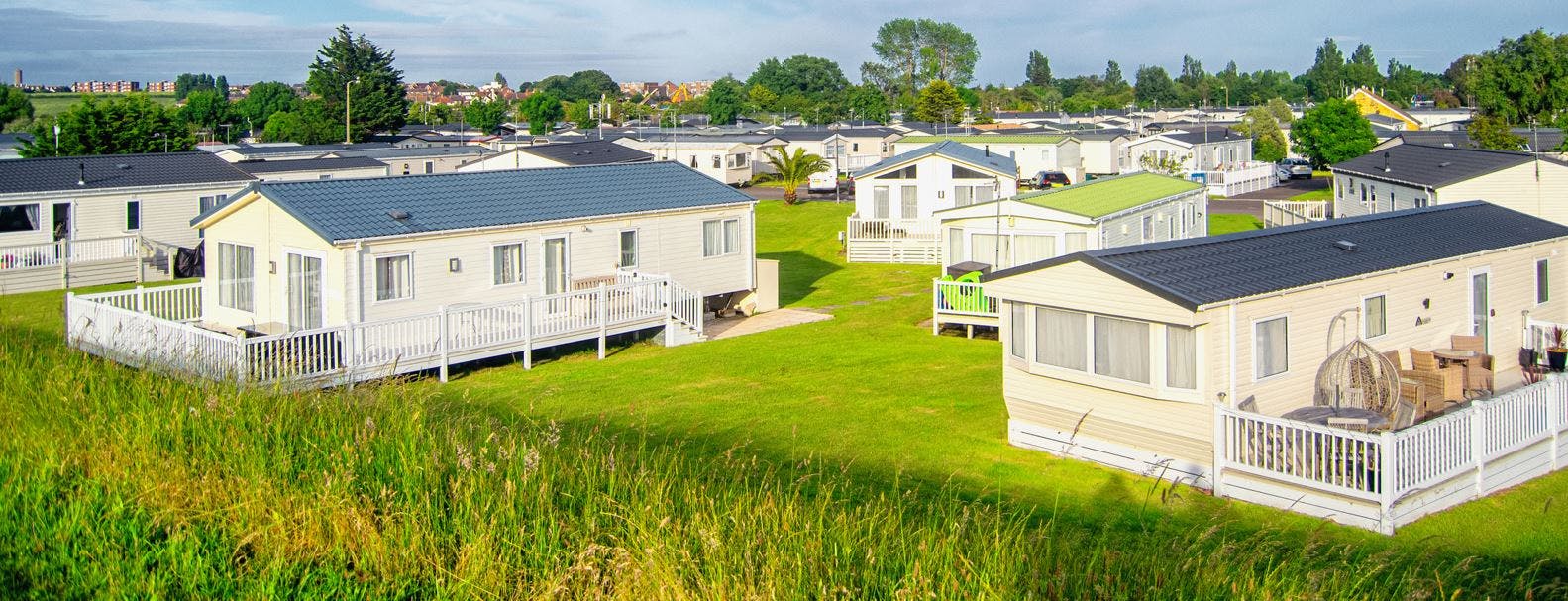
Why Mobile Home Park Investing?
Mobile home park investing, often overlooked in the broader real estate landscape, presents a unique and potentially lucrative opportunity for investors seeking strong cash flow and long-term growth. While it may not be as glamorous as flipping houses or developing luxury condos, mobile home parks offer a compelling value proposition that deserves a closer look. This guide will delve into the intricacies of mobile home park investing, covering everything from the basics to advanced strategies.
Understanding the Mobile Home Park Investment Landscape
Before diving into the specifics, it's crucial to understand the fundamentals of mobile home park investing. Unlike traditional real estate, you're typically not buying the mobile homes themselves. Instead, you're purchasing the land and infrastructure (roads, utilities, etc.) where the homes are located. Residents then rent the lot space from you.
Key Benefits of Mobile Home Park Investing
Several factors contribute to the appeal of mobile home park investing:
- Affordable Housing Demand: Mobile homes provide a vital source of affordable housing, particularly in areas where traditional housing costs are high. This creates consistent demand and reduces vacancy rates.
- High Occupancy Rates: Because mobile homes are often a more affordable housing option, mobile home parks tend to have high occupancy rates, translating to stable rental income.
- Lower Turnover: Moving a mobile home is a significant undertaking, making residents less likely to move frequently. This reduces turnover costs and ensures consistent cash flow.
- Reduced Maintenance Costs: Since you generally don't own the mobile homes, you're not responsible for their maintenance. Your primary responsibilities are maintaining the common areas and infrastructure of the park.
- Potential for Value Appreciation: By improving the park's amenities, management, and occupancy rates, you can significantly increase its value.
- Cash Flow Potential: Well-managed mobile home parks can generate strong cash flow, providing a reliable income stream for investors.
Finding and Evaluating Mobile Home Park Investments
Locating and evaluating mobile home park investments requires due diligence and a keen eye for potential. Here's a breakdown of key steps:
Sourcing Potential Deals
Finding mobile home parks for sale can be achieved through various channels:
- Online Listings: Websites like LoopNet, Crexi, and LandWatch often list mobile home parks for sale.
- Brokers: Working with a commercial real estate broker specializing in mobile home parks can provide access to off-market deals and expert guidance.
- Direct Outreach: Contacting park owners directly can uncover opportunities that aren't publicly listed.
- Networking: Attending industry events and connecting with other investors can lead to valuable leads.
Due Diligence Checklist
Once you've identified a potential investment, thorough due diligence is essential. This includes:
- Financial Review: Analyze the park's income statements, expense reports, and rent rolls to assess its financial performance. Pay close attention to occupancy rates, average rents, and operating expenses.
- Physical Inspection: Conduct a thorough inspection of the park's infrastructure, including roads, utilities, and common areas. Identify any deferred maintenance or potential repairs.
- Market Analysis: Research the local market to understand the demand for affordable housing, competitive rental rates, and economic trends.
- Legal Review: Review all legal documents, including leases, permits, and zoning regulations. Ensure the park is in compliance with all applicable laws.
- Environmental Assessment: Conduct an environmental assessment to identify any potential environmental hazards, such as soil contamination or asbestos.
- Title Search: Perform a title search to ensure clear ownership and identify any liens or encumbrances on the property.
Financing Mobile Home Park Investments
Securing financing for mobile home park investments can be challenging, but several options are available:
Traditional Bank Loans
Traditional banks may offer loans for mobile home park investments, but they typically require strong credit, a significant down payment, and a proven track record.
SBA Loans
The Small Business Administration (SBA) offers loans that can be used to finance mobile home park purchases. SBA loans often have more favorable terms than traditional bank loans, but they also require a more extensive application process.
Commercial Mortgage-Backed Securities (CMBS) Loans
CMBS loans are a type of commercial mortgage that is securitized and sold to investors. CMBS loans can be a good option for larger mobile home park deals, but they typically have more complex terms and higher fees.
Private Lenders
Private lenders offer more flexible financing options than traditional banks, but they typically charge higher interest rates and fees.
Seller Financing
In some cases, the seller may be willing to finance a portion of the purchase price. Seller financing can be a good option for buyers who have difficulty obtaining traditional financing.
Managing Mobile Home Parks for Profitability
Effective management is crucial for maximizing the profitability of a mobile home park investment. This includes:
Rent Collection and Enforcement
Implement a system for collecting rent on time and enforcing lease agreements. This may involve late fees, eviction notices, and legal action if necessary.
Maintenance and Repairs
Maintain the park's infrastructure and common areas to ensure a safe and attractive environment for residents. This includes repairing roads, landscaping, and maintaining utilities.
Resident Relations
Foster positive relationships with residents by being responsive to their needs and addressing their concerns promptly. This can help reduce turnover and improve occupancy rates.
Marketing and Leasing
Market the park to attract new residents. This may involve online advertising, signage, and referral programs.
Cost Control
Manage expenses effectively by negotiating with vendors, implementing energy-efficient practices, and minimizing waste.
Strategies to Increase Value in Mobile Home Parks
Beyond basic management, several strategies can be implemented to increase the value of a mobile home park:
Raising Rents
Gradually increasing rents to market rates can significantly boost revenue. However, it's important to consider the local market and avoid raising rents too quickly, which could lead to vacancies.
Filling Vacant Lots
Filling vacant lots with new or used mobile homes can generate additional rental income. This may involve offering incentives to attract new residents.
Adding Amenities
Adding amenities such as playgrounds, swimming pools, or community centers can make the park more attractive to residents and increase its value.
Improving Infrastructure
Upgrading the park's infrastructure, such as roads, utilities, and landscaping, can improve its appearance and functionality.
Implementing Submetering
Submetering utilities such as water and electricity allows residents to pay for their own usage, reducing the park's operating expenses.
Potential Risks and Challenges
While mobile home park investing offers numerous benefits, it's important to be aware of the potential risks and challenges:
Economic Downturns
Economic downturns can negatively impact occupancy rates and rental income.
Regulatory Changes
Changes in zoning regulations or rent control laws can affect the park's profitability.
Environmental Issues
Environmental contamination or other environmental issues can be costly to remediate.
Tenant Issues
Dealing with difficult tenants can be time-consuming and stressful.
Financing Challenges
Securing financing for mobile home park investments can be challenging, particularly for smaller deals.

0 Comments