
Why Invest in Warehouses?
Warehouse real estate investing offers a unique opportunity within the commercial real estate market. Unlike residential or retail properties, warehouses cater to a specific need: storage and distribution. This specialized demand translates into several potential benefits for investors.
One of the primary advantages is the relative stability of the warehouse market. Demand for warehouse space is often less susceptible to economic downturns than other sectors. Businesses always need to store inventory, manage logistics, and facilitate distribution, regardless of the current economic climate. This inherent stability can provide a more consistent income stream compared to investments in volatile markets.
Furthermore, the rise of e-commerce has significantly fueled the demand for warehouse space. Online retailers require extensive networks of warehouses to store products, fulfill orders, and ensure timely delivery. This trend is expected to continue, making warehouse real estate a potentially lucrative investment for the foreseeable future.
Understanding the Warehouse Market
Before diving into warehouse investing, it's crucial to understand the nuances of the market. Factors like location, size, and functionality all play a significant role in determining the value and potential return on investment.
Location, Location, Location
As with any real estate investment, location is paramount. Warehouses located near major transportation hubs, such as highways, ports, and airports, are generally more desirable. Proximity to these hubs allows businesses to efficiently move goods and reduce transportation costs. Consider the accessibility of the warehouse for trucks and other large vehicles. Factors like traffic congestion and road infrastructure can significantly impact the attractiveness of a particular location.
Warehouse Size and Configuration
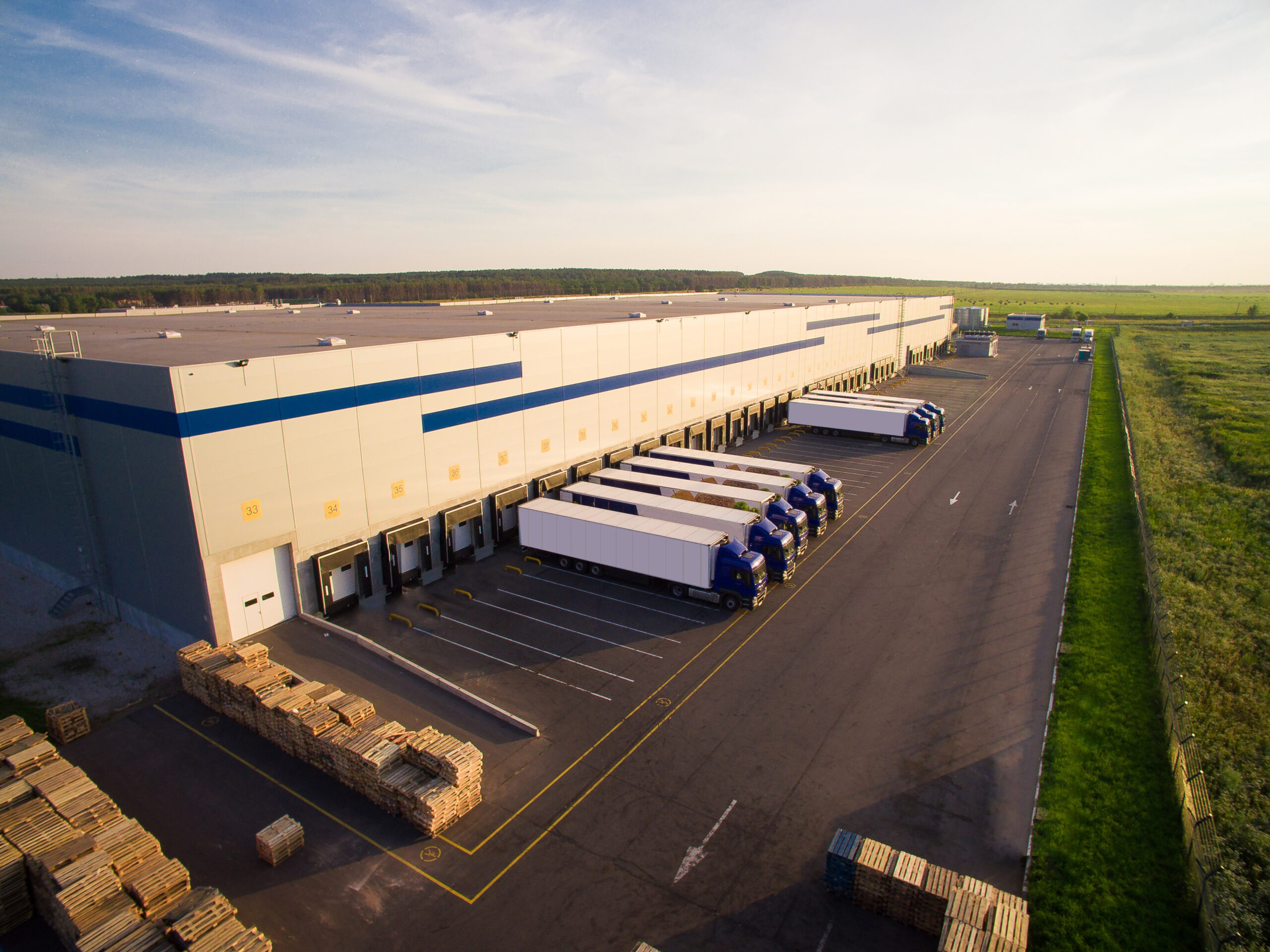
Warehouse sizes can range from small storage units to massive distribution centers. The ideal size will depend on the target tenant and the intended use of the space. Consider the ceiling height (clear height), which is a critical factor for businesses that rely on vertical storage. The layout of the warehouse should also be efficient and adaptable to various storage and distribution needs. Features like loading docks, bay spacing, and floor load capacity are essential considerations.
Warehouse Functionality and Features
Modern warehouses often incorporate advanced technologies and features to optimize efficiency and productivity. These may include automated storage and retrieval systems (AS/RS), energy-efficient lighting, and sophisticated security systems. The presence of these features can significantly enhance the value and appeal of a warehouse to potential tenants. Consider the age and condition of the building, as well as any potential upgrades or renovations that may be required.
Different Types of Warehouse Investments
There are several ways to invest in warehouse real estate, each with its own set of advantages and disadvantages.
Direct Ownership
Direct ownership involves purchasing a warehouse property outright. This approach provides the greatest control over the investment, allowing you to manage the property, select tenants, and make improvements. However, direct ownership also requires a significant capital investment and involves responsibilities like property management, maintenance, and tenant relations. It is also less liquid than other forms of real estate investing.
Real Estate Investment Trusts (REITs)
REITs are companies that own and operate income-producing real estate. Investing in a warehouse REIT allows you to gain exposure to the warehouse market without the need to directly purchase or manage property. REITs offer diversification and liquidity, making them a popular option for investors who want to participate in the warehouse market without the hands-on involvement of direct ownership.
Real Estate Crowdfunding
Real estate crowdfunding platforms allow investors to pool their resources to invest in larger commercial real estate projects, including warehouses. This approach can provide access to opportunities that may be out of reach for individual investors. However, it's crucial to carefully vet the crowdfunding platform and the specific investment project before committing capital.
Warehouse Development
Investing in warehouse development involves funding the construction of new warehouse facilities. This can be a higher-risk, higher-reward strategy, as it requires significant capital and expertise in construction and real estate development. However, developing a modern, well-located warehouse can generate substantial returns if the project is executed successfully.
Key Metrics for Evaluating Warehouse Investments
When evaluating potential warehouse investments, it's essential to consider several key metrics to assess the financial viability of the opportunity.
Capitalization Rate (Cap Rate)
The cap rate is a measure of the potential rate of return on a real estate investment. It is calculated by dividing the net operating income (NOI) of the property by its market value. A higher cap rate generally indicates a higher potential return, but it may also reflect a higher level of risk.
Net Operating Income (NOI)
NOI is the income generated by a property after deducting operating expenses, such as property taxes, insurance, and maintenance. NOI is a key indicator of the profitability of a real estate investment.
Cash Flow
Cash flow is the amount of cash generated by a property after deducting all expenses, including mortgage payments. Positive cash flow indicates that the property is generating more income than expenses, while negative cash flow indicates that the property is losing money.
Occupancy Rate
The occupancy rate is the percentage of a property that is currently occupied by tenants. A high occupancy rate indicates strong demand for the property and a stable income stream.
Risks Associated with Warehouse Investing
While warehouse investing offers numerous potential benefits, it's essential to be aware of the potential risks involved.
Economic Downturns
Although the warehouse market is generally more stable than other sectors, it is still susceptible to economic downturns. A significant decline in economic activity can lead to reduced demand for warehouse space and lower rental rates.
Tenant Vacancy
Tenant vacancy can significantly impact the income generated by a warehouse property. It's essential to have a plan in place to mitigate the risk of vacancy, such as diversifying your tenant base and offering competitive lease terms.
Property Maintenance and Repairs
Warehouses are subject to wear and tear, and regular maintenance and repairs are necessary to maintain the property's value and appeal. Unexpected repairs can be costly and can impact the profitability of the investment.
Changing Technology
Advances in technology can impact the demand for certain types of warehouse space. For example, the rise of automation may lead to a demand for larger, more technologically advanced warehouses. It's essential to stay abreast of these trends and adapt your investment strategy accordingly.
Tips for Successful Warehouse Investing
To maximize your chances of success in warehouse investing, consider the following tips:
* **Conduct thorough due diligence:** Before investing in a warehouse property, conduct thorough due diligence to assess its condition, location, and potential for appreciation. * **Develop a strong tenant base:** Focus on attracting and retaining high-quality tenants with strong financial stability. * **Manage your expenses carefully:** Keep a close eye on your expenses and look for ways to reduce costs without compromising the quality of the property. * **Stay informed about market trends:** Stay up-to-date on the latest trends in the warehouse market and adapt your investment strategy accordingly. * **Seek professional advice:** Consult with experienced real estate professionals, such as brokers, appraisers, and property managers, to help you make informed investment decisions.
0 Comments