
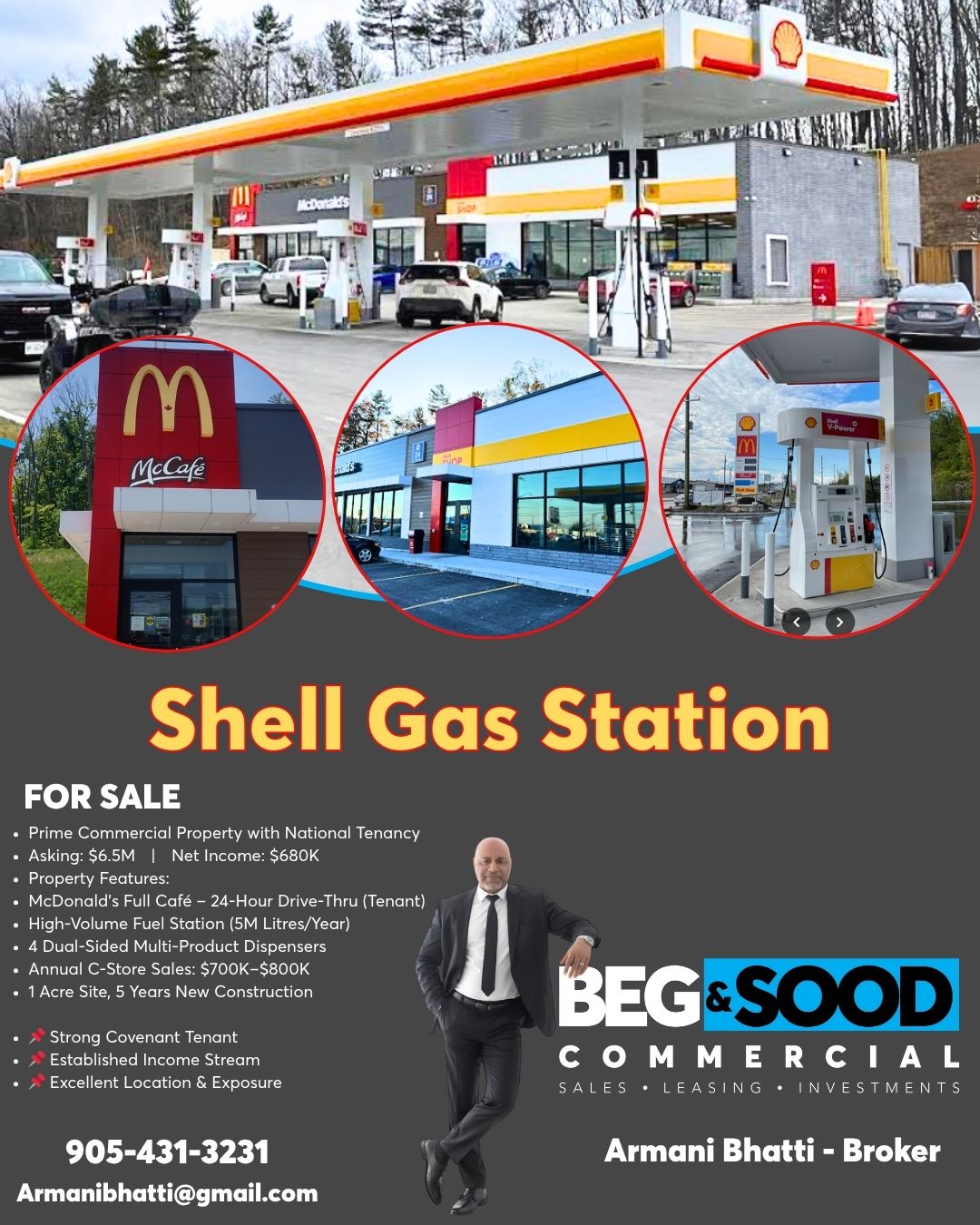
Real Estate Investing for Gas Stations: Is it Right for You?
Investing in real estate can take many forms, from residential properties to commercial buildings. One niche area that often gets overlooked is gas station real estate. While it might not be the first thing that comes to mind, investing in gas stations can be a lucrative venture with unique opportunities and challenges. This guide will explore the ins and outs of real estate investing for gas stations, helping you determine if it's the right investment strategy for you.
Understanding the Gas Station Real Estate Market
Before diving into the specifics of investing, it's crucial to understand the dynamics of the gas station real estate market. Gas stations are essential businesses, providing fuel and convenience items to drivers across the country. Their strategic locations, often at busy intersections or along major highways, make them valuable real estate assets.
Factors Influencing Gas Station Value
Several factors influence the value of a gas station property:
- Location: High-traffic areas with good visibility are prime locations. Proximity to highways, residential areas, and commercial centers significantly impacts value.
- Fuel Volume: The amount of fuel sold is a key indicator of profitability. Higher fuel volume translates to greater revenue potential.
- Convenience Store Sales: Gas stations often generate significant revenue from their convenience stores. Sales of snacks, drinks, and other items contribute to overall profitability.
- Property Condition: The age and condition of the building, pumps, and other equipment play a crucial role. Newer, well-maintained facilities are more attractive to investors.
- Environmental Compliance: Gas stations are subject to strict environmental regulations. Compliance with these regulations is essential for avoiding costly penalties and ensuring long-term viability.
- Brand Affiliation: Gas stations affiliated with well-known brands often command higher prices due to brand recognition and customer loyalty.
Benefits of Investing in Gas Station Real Estate
Investing in gas station real estate offers several potential benefits:
Consistent Cash Flow
Gas stations typically generate consistent cash flow due to the constant demand for fuel and convenience items. This can provide a reliable source of passive income for investors.
Relatively Recession-Resistant
While gas prices may fluctuate with the economy, people still need to drive, making gas stations relatively recession-resistant compared to other businesses. This stability can be appealing to investors seeking long-term security.
Land Value Appreciation
Gas stations are often located on valuable land in prime locations. As the surrounding area develops, the land value can appreciate significantly, providing a potential return on investment.
Potential for Diversification
Gas station real estate can be a valuable addition to a diversified investment portfolio, offering exposure to a different asset class and reducing overall risk.
Challenges of Investing in Gas Station Real Estate
While the potential benefits are attractive, it's important to be aware of the challenges associated with gas station real estate investing:
High Initial Investment
Gas station properties can be expensive to acquire, requiring a significant upfront investment. This can be a barrier to entry for some investors.
Environmental Regulations
Gas stations are subject to strict environmental regulations regarding underground storage tanks (USTs) and potential soil contamination. Compliance with these regulations can be costly and complex.
Competition
The gas station market can be competitive, with numerous stations vying for customers. It's important to carefully evaluate the competitive landscape before investing.
Operational Complexity
Owning a gas station involves operational complexities, such as managing fuel inventory, hiring staff, and maintaining equipment. Some investors prefer to lease the property to an experienced operator.
Fluctuating Gas Prices
While gas stations are relatively recession-resistant, fluctuating gas prices can impact profitability. Investors need to be prepared for potential fluctuations in revenue.
Different Investment Strategies for Gas Station Real Estate
There are several different strategies for investing in gas station real estate:
Owning and Operating the Gas Station
This involves purchasing the property and running the gas station business yourself. This option offers the greatest control over operations and profitability, but it also requires significant time and effort.
Leasing the Property to a Tenant
This involves purchasing the property and leasing it to a tenant who operates the gas station. This option provides a more passive income stream and reduces the operational burden on the investor. The lease agreement should clearly outline responsibilities for maintenance, repairs, and environmental compliance.
Investing in a REIT (Real Estate Investment Trust)
REITs are companies that own and operate income-producing real estate. Investing in a REIT that specializes in gas station properties can provide exposure to the market without the need to directly own or manage a gas station.
Due Diligence for Gas Station Real Estate Investments
Thorough due diligence is essential before investing in gas station real estate. This includes:
Property Inspection
A professional property inspection can identify potential issues with the building, pumps, and other equipment. This can help you negotiate a fair price and avoid costly repairs down the road.
Environmental Assessment
An environmental assessment is crucial to identify any potential soil contamination or other environmental issues. This can help you avoid costly remediation efforts and ensure compliance with environmental regulations. Phase I Environmental Site Assessments are typically the first step.
Financial Review
Reviewing the gas station's financial statements can provide valuable insights into its profitability and cash flow. This includes analyzing fuel volume, convenience store sales, and operating expenses.
Market Analysis
A market analysis can help you understand the competitive landscape and identify potential opportunities for growth. This includes assessing the demographics of the surrounding area, the number of competing gas stations, and the potential for future development.
Legal Review
A legal review of the purchase agreement and lease agreement (if applicable) is essential to protect your interests and ensure compliance with all applicable laws and regulations.
Financing Options for Gas Station Real Estate
Several financing options are available for gas station real estate investments:
Commercial Mortgages
Commercial mortgages are loans secured by the property itself. These loans typically have terms of 5 to 25 years and require a down payment of 20% to 30%.
SBA Loans
The Small Business Administration (SBA) offers loan programs that can be used to finance the purchase of gas station properties. SBA loans typically have lower down payments and longer repayment terms than commercial mortgages.
Private Lenders
Private lenders, such as individuals and investment firms, may be willing to provide financing for gas station real estate investments. These loans may have higher interest rates and shorter repayment terms than traditional financing options.
Seller Financing
In some cases, the seller of the gas station property may be willing to provide financing to the buyer. This can be a good option for buyers who have difficulty obtaining traditional financing.

0 Comments