
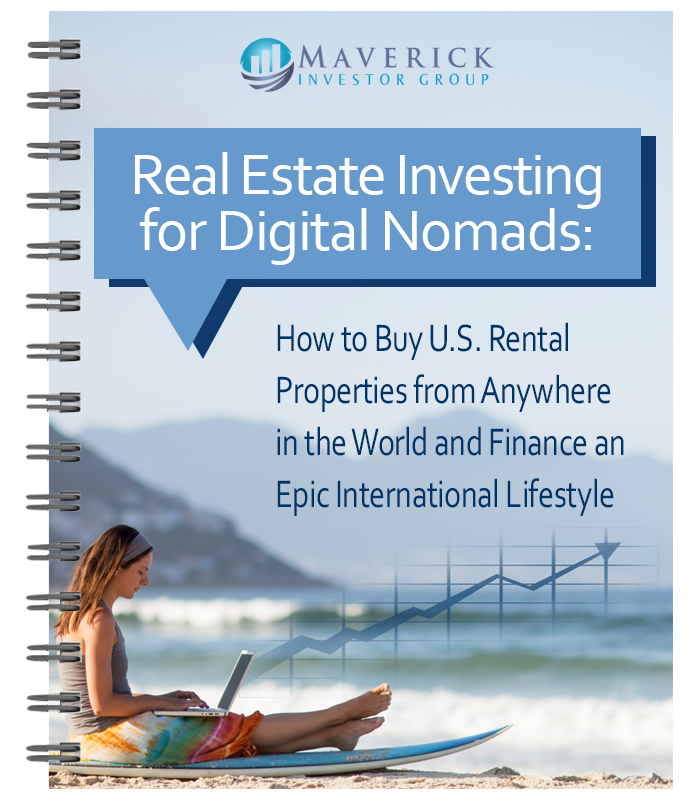
Real Estate Investing for Digital Nomads: A Guide to Building Wealth on the Go
The digital nomad lifestyle offers freedom and flexibility, allowing you to work and travel from anywhere in the world. But what about building long-term wealth? Real estate investing, often seen as a traditional, location-bound strategy, can actually be a powerful tool for digital nomads. This guide explores how you can leverage real estate to create passive income and secure your financial future while maintaining your location independence.
Why Real Estate Investing for Digital Nomads?
While seemingly counterintuitive, real estate investing offers several key advantages for digital nomads:
- Passive Income: Rental income provides a steady stream of cash flow, helping you fund your travels and build financial security.
- Long-Term Appreciation: Real estate tends to appreciate in value over time, offering potential capital gains.
- Diversification: Real estate diversifies your investment portfolio, reducing overall risk.
- Tax Benefits: Real estate investments often come with significant tax deductions, such as depreciation and mortgage interest.
- Inflation Hedge: Real estate values and rental rates tend to rise with inflation, protecting your investment's purchasing power.
Strategies for Real Estate Investing as a Digital Nomad
Several strategies can be adapted to fit the digital nomad lifestyle:
1. Remote Property Management
This involves hiring a property manager to handle day-to-day tasks such as tenant screening, rent collection, and property maintenance. This hands-off approach allows you to invest in real estate without being physically present.
2. Turnkey Properties
Turnkey properties are fully renovated and ready to rent out immediately. They are often managed by a company that handles everything from acquisition to tenant placement, making them ideal for hands-off investors.
3. Real Estate Investment Trusts (REITs)
REITs are companies that own and operate income-producing real estate. Investing in REITs allows you to gain exposure to the real estate market without directly owning property. They are highly liquid and can be easily bought and sold.
4. Real Estate Crowdfunding
Real estate crowdfunding platforms allow you to invest in real estate projects with smaller amounts of capital. This can be a good option for diversifying your portfolio and accessing deals that might otherwise be unavailable.
5. Vacation Rentals (Airbnb, VRBO)
Investing in vacation rentals can generate higher rental income than traditional long-term rentals, especially in popular tourist destinations. However, it requires more active management or hiring a specialized vacation rental manager.
Key Considerations for Digital Nomad Real Estate Investors
Before diving into real estate investing, consider these important factors:
1. Market Research
Thoroughly research potential investment markets. Look for areas with strong rental demand, growing economies, and favorable property values. Pay attention to local regulations and zoning laws.
2. Financing
Securing financing as a digital nomad can be challenging, as lenders often require proof of stable income and residency. Explore options like online lenders, portfolio loans, and private money lenders. Consider saving a larger down payment to improve your chances of approval.
3. Due Diligence
Conduct thorough due diligence on any property you are considering buying. This includes inspecting the property, reviewing title reports, and obtaining appraisals. Hire a qualified real estate attorney to review contracts and ensure your interests are protected.
4. Property Management
Whether you choose to hire a property manager or manage the property yourself remotely, having a solid management plan is crucial. This includes establishing clear communication protocols with tenants, setting up online rent collection systems, and having a reliable network of contractors for repairs and maintenance.
5. Legal and Tax Implications
Consult with a real estate attorney and a tax advisor to understand the legal and tax implications of investing in real estate in different locations. Be aware of local landlord-tenant laws and reporting requirements.
Tools and Resources for Digital Nomad Real Estate Investors
Leverage technology to streamline your real estate investing process:
- Property Management Software: Use software like Buildium, AppFolio, or Rent Manager to manage your properties remotely.
- Online Marketplaces: Utilize Zillow, Realtor.com, and Redfin to search for properties and analyze market trends.
- Virtual Assistants: Hire a virtual assistant to help with tasks such as research, data entry, and communication.
- Online Communication Tools: Use tools like Zoom, Skype, and Slack to communicate with your property manager, tenants, and contractors.
- Financial Management Apps: Track your income and expenses using apps like Mint, Personal Capital, or QuickBooks.
Finding the Right Market for Your Investment
Choosing the right location for your investment property is paramount. Consider these factors when evaluating potential markets:
1. Population Growth
Areas with growing populations often experience increased demand for housing, leading to higher rental rates and property values.
2. Job Market
A strong job market attracts new residents and supports rental demand. Look for areas with diverse industries and low unemployment rates.
3. Affordability
Balance affordability with potential returns. While high-cost markets may offer higher rental income, they also require a larger initial investment.
4. Local Amenities
Consider the availability of local amenities such as schools, parks, restaurants, and shopping centers. These factors can attract tenants and increase property values.
5. Tourism
If you are considering vacation rentals, look for areas with strong tourism industries and high occupancy rates.
Overcoming Challenges as a Digital Nomad Real Estate Investor
Investing in real estate as a digital nomad comes with its own set of challenges:
1. Building Trust Remotely
Building trust with your property manager, tenants, and contractors is essential. Establish clear communication protocols and conduct regular check-ins.
2. Time Zone Differences
Managing properties across different time zones can be challenging. Schedule calls and meetings strategically to accommodate everyone's schedules.
3. Legal and Regulatory Differences
Be aware of the legal and regulatory differences in different locations. Hire a qualified real estate attorney to ensure you are compliant with local laws.
4. Maintaining Property Condition
Rely on your property manager or contractors to regularly inspect and maintain your properties. Schedule routine maintenance to prevent costly repairs.

0 Comments