
Understanding the Data Center Real Estate Market
Data centers are the backbone of the modern digital world. They house the servers, networking equipment, and storage systems that power the internet, cloud computing, and countless other online services. As demand for data continues to surge, the data center real estate market is experiencing significant growth, presenting unique opportunities for investors.
Investing in data center real estate differs significantly from traditional property investments. It requires a specialized understanding of the technology, infrastructure, and market dynamics that drive the industry. This guide will provide a comprehensive overview of data center real estate investing, covering everything from market fundamentals to investment strategies.
Why Invest in Data Center Real Estate?
Several factors make data center real estate an attractive investment opportunity:
- High Growth Potential: The demand for data is growing exponentially, driven by trends such as cloud computing, big data analytics, artificial intelligence, and the Internet of Things (IoT). This growth translates into increased demand for data center space.
- Recurring Revenue Streams: Data centers typically lease space to tenants on long-term contracts, providing investors with a predictable and stable stream of revenue. These contracts often include built-in rent escalations, offering protection against inflation.
- High Barriers to Entry: Building and operating data centers requires significant capital investment, specialized expertise, and access to reliable power and connectivity. These high barriers to entry limit competition and protect existing data center owners.
- Diversification Benefits: Data center real estate has a low correlation with traditional asset classes such as stocks and bonds, making it an effective way to diversify an investment portfolio.
Key Considerations Before Investing
Before investing in data center real estate, it's crucial to understand the key factors that influence the value and performance of these assets:
Location
Location is paramount. Data centers need to be located in areas with:
- Reliable Power Supply: Data centers consume massive amounts of electricity, so access to a stable and affordable power grid is essential.
- Robust Connectivity: High-speed fiber optic networks are crucial for connecting data centers to the internet and other networks.
- Low Latency: Low latency is critical for applications that require real-time data processing, such as online gaming and financial trading.
- Favorable Business Climate: Tax incentives, regulatory support, and a skilled workforce can make a location more attractive to data center operators.
- Low Risk of Natural Disasters: Data centers need to be protected from natural disasters such as earthquakes, floods, and hurricanes.
Infrastructure
The infrastructure of a data center is equally important. Key considerations include:
- Power Density: The amount of power available per square foot is a critical factor for data center operators.
- Cooling Systems: Effective cooling systems are essential for preventing servers from overheating.
- Security: Data centers need to have robust security measures in place to protect against physical and cyber threats.
- Redundancy: Redundant power, cooling, and connectivity systems are necessary to ensure uptime.
Tenant Profile
Understanding the tenant profile is crucial for assessing the risk and return potential of a data center investment. Consider the following:
- Tenant Creditworthiness: The financial stability of the tenants is a key factor in determining the likelihood of rent payments.
- Lease Terms: Longer lease terms provide greater stability and predictability of revenue.
- Tenant Industry: Some industries, such as cloud computing and e-commerce, are more likely to experience continued growth in demand for data center space.
Investment Strategies for Data Center Real Estate
There are several ways to invest in data center real estate:
Direct Investment
Direct investment involves purchasing and operating a data center. This approach requires significant capital, expertise, and time commitment. However, it also offers the potential for higher returns.
Real Estate Investment Trusts (REITs)
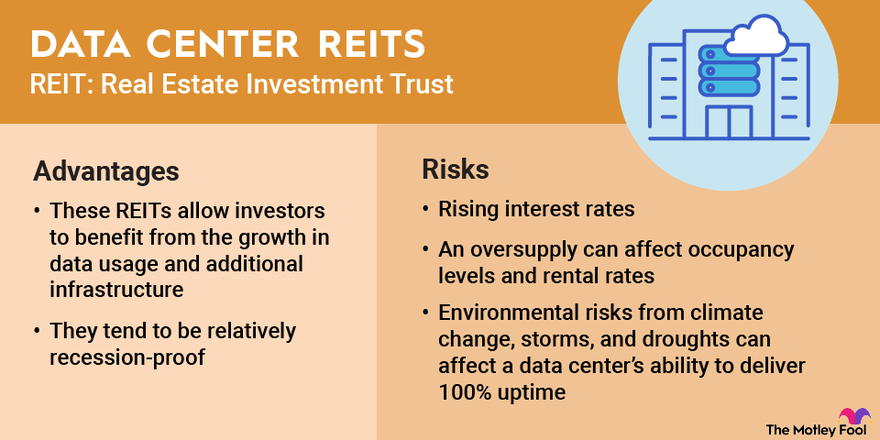
REITs are publicly traded companies that own and operate real estate assets. Data center REITs offer investors a liquid and diversified way to gain exposure to the data center market. Some of the major data center REITs include Equinix (EQIX), Digital Realty Trust (DLR), and CyrusOne (CONE) - though the last was acquired by private equity and is no longer publicly traded.
Private Equity Funds
Private equity funds invest in data centers and other real estate assets. These funds typically require a significant minimum investment and are less liquid than REITs. However, they may offer the potential for higher returns.
Data Center Development
Investing in the development of new data centers can be a lucrative option, but it also carries significant risk. Development projects require expertise in site selection, construction, and project management. The risks include construction delays, cost overruns, and difficulty securing tenants.
Risks Associated with Data Center Real Estate Investing
While data center real estate offers attractive investment opportunities, it's important to be aware of the associated risks:
- Technological Obsolescence: Rapid advancements in technology can render data centers obsolete.
- Competition: The data center market is becoming increasingly competitive.
- Power Costs: Fluctuations in power costs can impact the profitability of data centers.
- Cybersecurity Risks: Data centers are vulnerable to cyberattacks, which can disrupt operations and damage reputation.
- Environmental Regulations: Data centers are subject to increasing environmental regulations, which can increase operating costs.
Due Diligence is Key
Before investing in any data center real estate venture, thorough due diligence is essential. This includes:
- Market Analysis: Understand the supply and demand dynamics in the target market.
- Financial Analysis: Review the financial statements of the data center operator.
- Technical Assessment: Evaluate the infrastructure and technology of the data center.
- Legal Review: Review the lease agreements and other legal documents.
Investing in data center real estate presents a unique opportunity to participate in the growth of the digital economy. By understanding the market fundamentals, key considerations, and associated risks, investors can make informed decisions and potentially generate attractive returns. However, it's crucial to perform thorough due diligence and seek expert advice before making any investment decisions.

0 Comments