
Navigating the Post-Pandemic Economic Landscape
The COVID-19 pandemic triggered a global economic crisis unlike any seen in generations. As the world transitions from the acute phase of the pandemic toward recovery, understanding the potential trajectories of the global economy is crucial for businesses, policymakers, and individuals alike. While uncertainty remains, several key trends and forecasts are emerging that offer valuable insights into what the future may hold.
Key Factors Shaping the Economic Recovery
Several factors are playing a pivotal role in shaping the global economic recovery. These include:
- Inflationary Pressures: The pandemic disrupted supply chains and spurred unprecedented levels of fiscal and monetary stimulus, leading to a surge in inflation in many countries. Whether this inflation is transitory or persistent remains a key debate.
- Geopolitical Instability: Events such as the war in Ukraine have exacerbated supply chain disruptions, increased energy prices, and heightened geopolitical risks, impacting global trade and investment.
- Technological Advancements: The pandemic accelerated the adoption of digital technologies, transforming how businesses operate and creating new opportunities for growth.
- Labor Market Dynamics: Shifts in labor force participation, skills gaps, and the rise of remote work are reshaping labor markets worldwide.
- Government Policies: Fiscal and monetary policies implemented by governments around the world will continue to significantly influence economic growth and stability.
Predictions for Key Economic Indicators
Predicting the future with certainty is impossible, but analyzing current trends and expert forecasts can provide a reasonable understanding of potential scenarios. Here are some predictions for key economic indicators:
GDP Growth
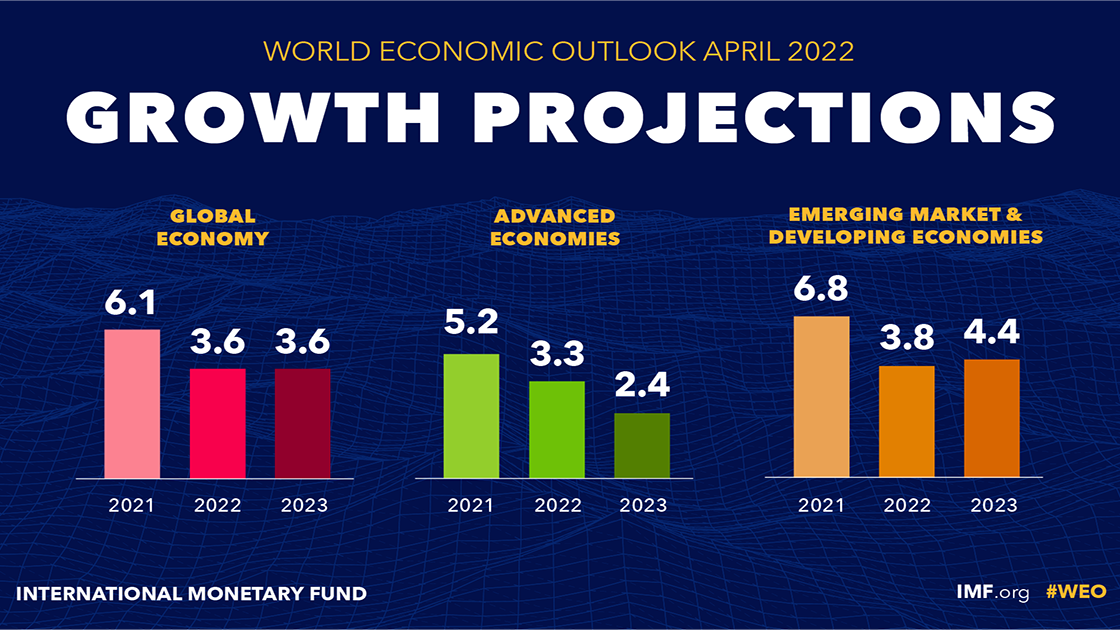
Global GDP growth is expected to slow down in the coming years compared to the initial rebound experienced in 2021 and 2022. The International Monetary Fund (IMF) and the World Bank have both revised their growth forecasts downward, citing concerns about inflation, rising interest rates, and geopolitical risks. While developed economies may experience slower growth, emerging markets are expected to continue to grow at a faster pace, albeit with variations across different regions.
Inflation
Inflation is likely to remain elevated in the short term as supply chain bottlenecks persist and demand remains strong. Central banks around the world are tightening monetary policy by raising interest rates to combat inflation. However, the effectiveness of these measures and the potential for a recession are key concerns. Some economists predict that inflation will gradually decline over the next few years, while others fear that it could become entrenched, requiring more aggressive policy interventions.
Interest Rates
Central banks are expected to continue raising interest rates to combat inflation. The pace and magnitude of these rate hikes will depend on the specific economic conditions in each country. Higher interest rates can help to cool down inflation but also risk slowing down economic growth and increasing the cost of borrowing for businesses and consumers. The impact of higher interest rates on housing markets and asset prices is also being closely monitored.
Unemployment
Unemployment rates have generally declined as economies have reopened, but labor market dynamics remain complex. Some sectors are experiencing labor shortages, while others are facing layoffs. The rise of remote work and the changing skills requirements of the digital economy are also reshaping labor markets. The long-term impact of the pandemic on unemployment rates is still uncertain, but it is likely to vary significantly across different industries and regions.
Trade and Investment
Global trade and investment flows are expected to remain volatile due to geopolitical risks, supply chain disruptions, and protectionist policies. The war in Ukraine has significantly impacted global trade patterns, particularly for energy and food. Efforts to diversify supply chains and reduce reliance on single sources are likely to continue. The rise of regional trade agreements and the increasing importance of digital trade are also shaping the future of global commerce.
Sector-Specific Predictions
The pandemic has had a profound impact on different sectors of the economy. Here are some sector-specific predictions:
Technology
The technology sector is expected to continue to grow rapidly, driven by the increasing adoption of digital technologies across all industries. Areas such as cloud computing, artificial intelligence, cybersecurity, and e-commerce are expected to see strong growth. However, regulatory scrutiny of tech companies is also increasing, which could impact their growth prospects.
Healthcare
The healthcare sector is expected to remain a growth area due to the aging population and the increasing demand for healthcare services. The pandemic has also highlighted the importance of public health infrastructure and the need for innovation in healthcare technologies. Telemedicine and digital health solutions are expected to continue to gain traction.
Energy
The energy sector is undergoing a significant transformation as the world transitions to cleaner energy sources. Renewable energy sources such as solar and wind are expected to grow rapidly, while fossil fuels are expected to decline in the long term. However, the transition to cleaner energy is likely to be complex and uneven, with significant implications for energy prices and energy security.
Travel and Tourism
The travel and tourism sector has been severely impacted by the pandemic, but it is expected to recover gradually as travel restrictions are lifted and consumer confidence returns. However, the recovery is likely to be uneven, with some regions and segments recovering faster than others. The rise of sustainable tourism and the increasing importance of digital technologies are also shaping the future of the travel and tourism sector.
Real Estate
The real estate sector has experienced mixed trends during the pandemic. Residential real estate prices have generally increased due to low interest rates and strong demand, while commercial real estate has faced challenges due to the rise of remote work. The future of the real estate sector will depend on factors such as interest rates, economic growth, and demographic trends.

0 Comments