
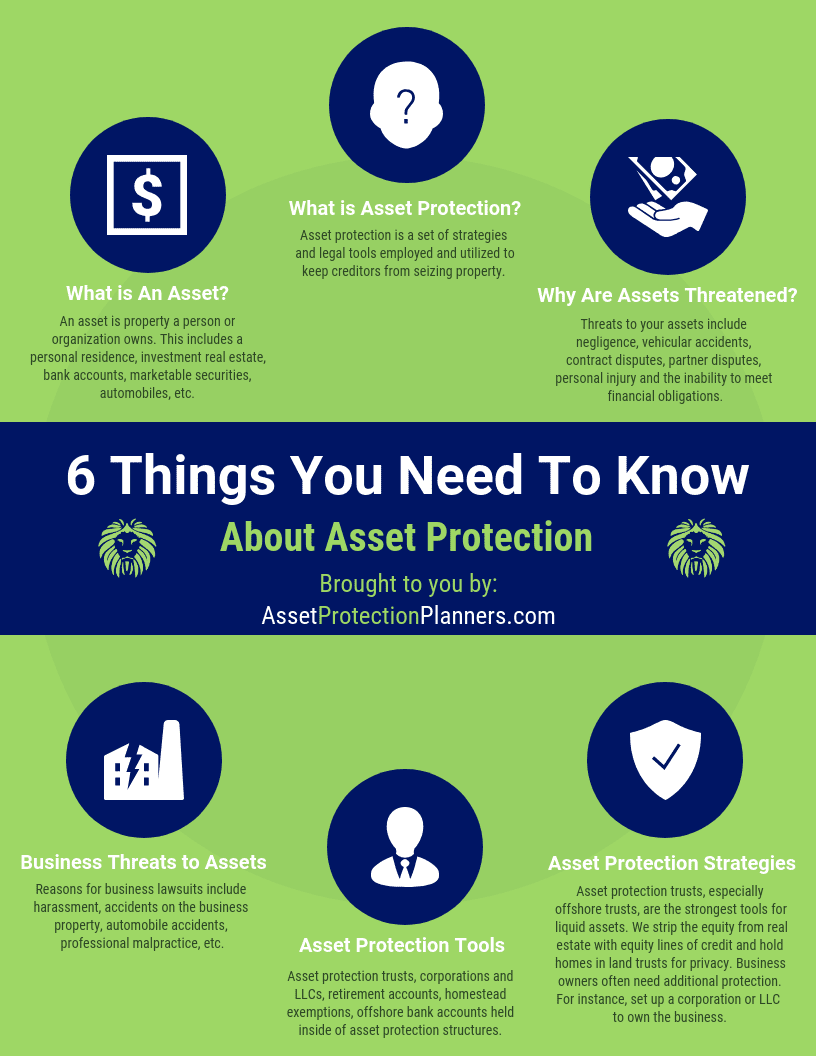
Understanding Offshore Investment for Asset Protection
Protecting your assets is a crucial aspect of financial planning, especially in an increasingly litigious world. Offshore investment strategies can offer a robust layer of protection against potential lawsuits, creditors, and other financial threats. But what exactly does "offshore investment" mean in the context of asset protection, and why is it a viable option for many individuals and businesses?
Offshore investment, in this context, refers to strategically placing assets in jurisdictions outside of your country of residence. These jurisdictions often have laws and regulations that are more favorable to asset protection, such as stronger privacy laws, limited liability companies (LLCs), and trusts designed to shield assets from legal claims.
Why Consider Offshore Investment for Asset Protection?
Several key reasons drive individuals and businesses to explore offshore investment strategies for asset protection:
- Legal Protection: Offshore jurisdictions often have laws that make it significantly more difficult for creditors to reach your assets. This can include higher burdens of proof, shorter statutes of limitations, and recognition of specialized asset protection trusts.
- Confidentiality: Many offshore jurisdictions offer greater levels of financial privacy than onshore locations. This can deter frivolous lawsuits and protect your assets from unwanted scrutiny.
- Tax Advantages: While tax avoidance should not be the primary motivation, some offshore jurisdictions offer tax benefits that can enhance your overall financial strategy. It's crucial to consult with a qualified tax advisor to ensure compliance with all applicable laws.
- Diversification: Investing offshore can diversify your portfolio geographically and across different asset classes, reducing your overall risk.
- Political Stability: In some cases, offshore jurisdictions offer greater political and economic stability than your home country, providing a safe haven for your assets.
Common Offshore Investment Strategies for Asset Protection
Several strategies can be employed to protect assets offshore. The optimal approach depends on your individual circumstances, risk tolerance, and financial goals. Here are some of the most common:
Offshore Trusts
Offshore trusts are legal entities established in a foreign jurisdiction to hold and manage assets for the benefit of beneficiaries. These trusts can be structured to provide significant asset protection, as they are governed by the laws of the offshore jurisdiction, which may be more favorable to asset protection than your home country.
A key feature of many offshore trusts is the "spendthrift clause," which prevents creditors from directly accessing the trust assets. The trustee, who is responsible for managing the trust, has the discretion to distribute assets to the beneficiaries, but is not obligated to do so if there is a threat of legal action.
Offshore Limited Liability Companies (LLCs)
Offshore LLCs offer a similar level of protection to trusts, but with a more streamlined structure. An LLC is a business entity that shields the personal assets of its owners (members) from business debts and liabilities. By establishing an LLC in an offshore jurisdiction with favorable asset protection laws, you can further insulate your assets from potential legal claims.
Offshore LLCs are often used to hold real estate, investment accounts, and other valuable assets. The ownership structure of the LLC can be designed to provide additional layers of protection, such as using a nominee director or manager.
International Bank Accounts
While simply opening an offshore bank account doesn't automatically provide asset protection, it can be a useful component of a broader offshore investment strategy. Offshore bank accounts can offer greater privacy and security than domestic accounts, and can be used to hold funds that are not readily accessible to creditors.
It's crucial to choose a reputable offshore bank with a strong track record and a commitment to privacy. You should also be aware of your reporting obligations, such as filing a Report of Foreign Bank and Financial Accounts (FBAR) with the IRS.
Annuities
Annuities are contracts with an insurance company that provide a stream of income over a specified period. Certain types of annuities, particularly those held in offshore jurisdictions, can offer asset protection benefits. The specific protections vary depending on the jurisdiction and the terms of the annuity contract.
Some jurisdictions offer statutory exemptions that protect annuity assets from creditors. This means that creditors may not be able to seize the annuity to satisfy a debt.
Investing in Foreign Real Estate
Owning real estate in a foreign country can provide both diversification and asset protection benefits. Real estate held in an offshore jurisdiction is subject to the laws of that jurisdiction, which may offer greater protection from creditors than your home country.
However, it's important to thoroughly research the legal and tax implications of owning real estate in a foreign country before making an investment. You should also consider the potential risks associated with owning property in a foreign jurisdiction, such as political instability and currency fluctuations.
Choosing the Right Offshore Jurisdiction
Selecting the appropriate offshore jurisdiction is critical to the success of your asset protection strategy. Several factors should be considered, including:
- Asset Protection Laws: The jurisdiction should have strong asset protection laws that make it difficult for creditors to reach your assets.
- Political and Economic Stability: The jurisdiction should be politically and economically stable to ensure the safety of your assets.
- Privacy Laws: The jurisdiction should have strong privacy laws to protect your financial information.
- Tax Laws: The jurisdiction should have favorable tax laws that align with your overall financial strategy.
- Reputation: The jurisdiction should have a good reputation and be known for its integrity and transparency.
Some popular offshore jurisdictions for asset protection include the Cook Islands, Nevis, Belize, and the Cayman Islands. However, the best jurisdiction for you will depend on your specific circumstances and goals. It's essential to seek professional advice to determine the most appropriate jurisdiction for your needs.
Important Considerations and Due Diligence
Before implementing any offshore investment strategy for asset protection, it's crucial to conduct thorough due diligence and seek professional advice from qualified attorneys, financial advisors, and tax professionals. Here are some key considerations:
- Legality: Ensure that your offshore investment strategy is legal and compliant with all applicable laws in your home country and the offshore jurisdiction.
- Transparency: Be transparent with your advisors and disclose all relevant information about your assets and financial situation.
- Reporting Obligations: Understand your reporting obligations, such as filing FBARs and other required disclosures.
- Cost: Be aware of the costs associated with establishing and maintaining offshore structures, including legal fees, trustee fees, and administrative expenses.
- Control: Understand the level of control you will have over your assets in the offshore structure.
A well-structured offshore investment strategy can provide significant asset protection benefits, but it's essential to approach it with caution and seek professional guidance to ensure compliance and maximize its effectiveness.

0 Comments