
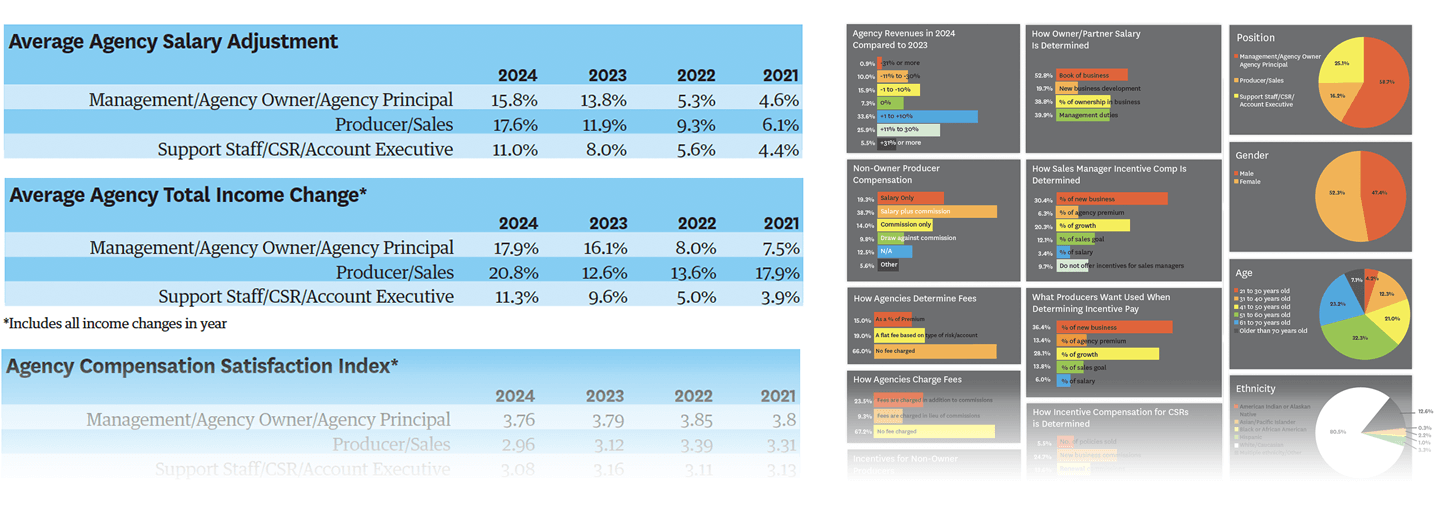
Understanding Insurance Salary Surveys
In the dynamic world of insurance, understanding compensation trends is crucial for both employers and employees. Insurance salary surveys provide valuable insights into prevailing salaries, benefits, and compensation packages within the industry. These surveys serve as a benchmark, enabling companies to attract and retain top talent while helping individuals negotiate fair and competitive salaries. This guide delves into the importance of insurance salary surveys, how they are conducted, and how to interpret the data effectively.
Why are Insurance Salary Surveys Important?
Insurance salary surveys offer a multitude of benefits for various stakeholders within the insurance industry:
- For Employers: Surveys provide a clear understanding of the competitive landscape, allowing companies to structure compensation packages that attract and retain skilled professionals. This is particularly important in a talent-scarce market.
- For Employees: Salary surveys empower individuals to negotiate salaries confidently, armed with data about the market value of their skills and experience. This helps ensure fair compensation for their contributions.
- For Recruiters: Recruiters rely on salary surveys to understand market rates and effectively match candidates with appropriate roles and compensation expectations. This streamlines the hiring process and improves placement success.
- For HR Professionals: Salary surveys aid in developing compensation strategies, budget planning, and ensuring internal pay equity within the organization.
Key Components of an Insurance Salary Survey
A comprehensive insurance salary survey typically includes the following key components:
- Job Titles and Descriptions: Clearly defined job titles and detailed descriptions are essential for accurate data comparison. Surveys often cover a wide range of roles, from entry-level positions to senior management.
- Salary Data: This includes base salary, bonuses, commissions, and other forms of compensation. The data is often presented as averages, medians, and percentile ranges.
- Benefits Information: Surveys may also include information about benefits packages, such as health insurance, retirement plans, paid time off, and other perks.
- Geographic Location: Salary data can vary significantly based on geographic location. Surveys often break down data by region, state, or even city.
- Industry Sector: The type of insurance company (e.g., life, health, property & casualty) can also influence compensation levels. Surveys may segment data by industry sector.
- Company Size: Larger companies often offer higher salaries than smaller companies. Surveys may categorize data by company size (e.g., revenue, number of employees).
- Experience Level: Salary is typically correlated with experience. Surveys often provide data for different experience levels (e.g., entry-level, mid-level, senior-level).
Common Job Titles Covered in Insurance Salary Surveys
Insurance salary surveys typically cover a wide range of job titles, reflecting the diverse roles within the industry. Some common job titles include:
- Actuary
- Underwriter
- Claims Adjuster
- Insurance Agent/Broker
- Risk Manager
- Loss Control Specialist
- Compliance Officer
- Insurance Accountant
- Data Analyst
- Marketing Specialist
- IT Professional
Where to Find Insurance Salary Surveys
Several reputable organizations conduct and publish insurance salary surveys. These include:
- Industry Associations: Organizations like the Insurance Information Institute (III), the National Association of Insurance Commissioners (NAIC), and various actuarial societies often publish or contribute to salary surveys.
- Consulting Firms: HR consulting firms and compensation consulting firms regularly conduct salary surveys for various industries, including insurance. Examples include Mercer, Willis Towers Watson, and Aon.
- Recruiting Agencies: Many recruiting agencies that specialize in insurance placements also conduct their own salary surveys to better understand market trends.
- Online Resources: Websites like Salary.com, Glassdoor, and Payscale provide salary data based on user submissions and industry research. While these resources can be helpful, it's important to verify the accuracy of the data.
How to Interpret Insurance Salary Survey Data
Interpreting insurance salary survey data requires careful consideration of several factors:
- Understand the Methodology: Review the survey's methodology to understand how the data was collected, analyzed, and presented. This includes the sample size, data sources, and statistical methods used.
- Consider the Geographic Location: Salary data can vary significantly based on location. Make sure to focus on data that is relevant to your specific geographic area.
- Match Job Titles Carefully: Ensure that the job titles in the survey accurately match the job titles you are researching. Pay close attention to job descriptions to avoid misinterpretations.
- Account for Experience Level: Compare salary data for individuals with similar levels of experience. Entry-level positions will naturally have lower salaries than senior-level positions.
- Consider Company Size and Industry Sector: Factor in the size of the company and the specific industry sector when interpreting salary data. Larger companies and certain sectors may offer higher salaries.
- Look at the Range, Not Just the Average: Pay attention to the range of salaries reported in the survey, rather than just the average. This will give you a better understanding of the potential salary range for a particular position.
- Evaluate Benefits and Perks: Consider the value of benefits and perks when evaluating compensation packages. Health insurance, retirement plans, and other benefits can significantly impact overall compensation.
- Use Multiple Sources: Consult multiple salary surveys to get a more comprehensive understanding of compensation trends. Compare data from different sources to identify any discrepancies or inconsistencies.
Negotiating Your Salary Using Survey Data
Insurance salary surveys can be a valuable tool when negotiating your salary. Here are some tips for using survey data effectively:
- Research the Market Rate: Use salary surveys to determine the market rate for your skills and experience in your geographic location.
- Quantify Your Value: Highlight your skills, experience, and accomplishments to demonstrate your value to the company.
- Be Confident and Assertive: Negotiate confidently and assertively, based on the data you have gathered.
- Be Prepared to Walk Away: Know your bottom line and be prepared to walk away if the company is not willing to offer a fair and competitive salary.
- Focus on Total Compensation: Consider the entire compensation package, including salary, benefits, and perks, when evaluating an offer.
The Future of Insurance Salary Surveys
As the insurance industry continues to evolve, insurance salary surveys will become even more important. The increasing demand for specialized skills, the growing importance of data analytics, and the changing demographics of the workforce will all contribute to the need for accurate and up-to-date compensation data. Future salary surveys may incorporate more sophisticated data analytics techniques, such as machine learning, to provide even more granular and personalized insights. They will also likely focus on emerging trends, such as the impact of remote work on compensation and the growing importance of diversity and inclusion in the workplace.
Staying Updated
It's crucial to stay updated on the latest insurance salary surveys to remain competitive in the job market. Regularly check with industry associations, consulting firms, and recruiting agencies to access the most current data. By staying informed, both employers and employees can make informed decisions about compensation and career planning.

0 Comments