
Understanding the Relationship Between Interest Rates and Housing Affordability
The relationship between interest rates and housing market affordability is fundamental. When interest rates rise, the cost of borrowing money increases, directly impacting the ability of individuals and families to purchase homes. This impact unfolds over both the short and long term, shaping the landscape of the real estate market and the financial well-being of potential homeowners.
Immediate Impact: Increased Mortgage Payments
The most immediate effect of rising interest rates is the increase in mortgage payments. For prospective homebuyers relying on financing, a higher interest rate translates into a larger monthly payment for the same loan amount. This increase can quickly erode affordability, pushing many potential buyers out of the market. Even a seemingly small increase in interest rates can have a significant impact on the total cost of a mortgage over its lifespan.
Example of Mortgage Payment Increase
Consider a $300,000 mortgage. At a 3% interest rate, the monthly payment (excluding property taxes and insurance) would be around $1,265. However, if the interest rate rises to 6%, the monthly payment jumps to approximately $1,800. This represents a significant increase in monthly expenses, making homeownership less attainable for many.
Long-Term Effects on Housing Demand
Beyond the immediate impact on mortgage payments, rising interest rates can have profound long-term effects on housing demand. As borrowing becomes more expensive, fewer people are able to afford homes, leading to a decrease in demand. This decrease in demand can result in several consequences:
Slowing Price Appreciation
One of the most noticeable long-term effects is a slowdown in the rate of housing price appreciation. When demand decreases, sellers may need to lower their prices to attract buyers. This can moderate or even reverse the rapid price increases that are often seen in a low-interest-rate environment. While this can be beneficial for potential buyers who are waiting for prices to cool down, it can also be concerning for current homeowners who are relying on their home equity to grow.
Increased Inventory
As demand falls, the number of homes available for sale (inventory) tends to increase. This is because fewer homes are being sold, and more sellers are entering the market to try to capitalize on the still-relatively-high prices before they potentially decline further. An increase in inventory gives buyers more options and can further contribute to downward pressure on prices.
Impact on New Construction
Rising interest rates can also negatively impact new construction. Developers may become hesitant to start new projects if they anticipate lower demand and slower sales. This can lead to a decrease in the supply of new homes, which could eventually counteract the downward pressure on prices caused by decreased demand. The interplay between decreased demand and reduced new construction can create a complex dynamic in the housing market.
Ripple Effects on the Economy
The long-term effects of rising interest rates on housing affordability extend beyond the real estate market itself. The housing market is a significant driver of economic activity, and changes in this sector can have ripple effects throughout the economy.
Reduced Consumer Spending
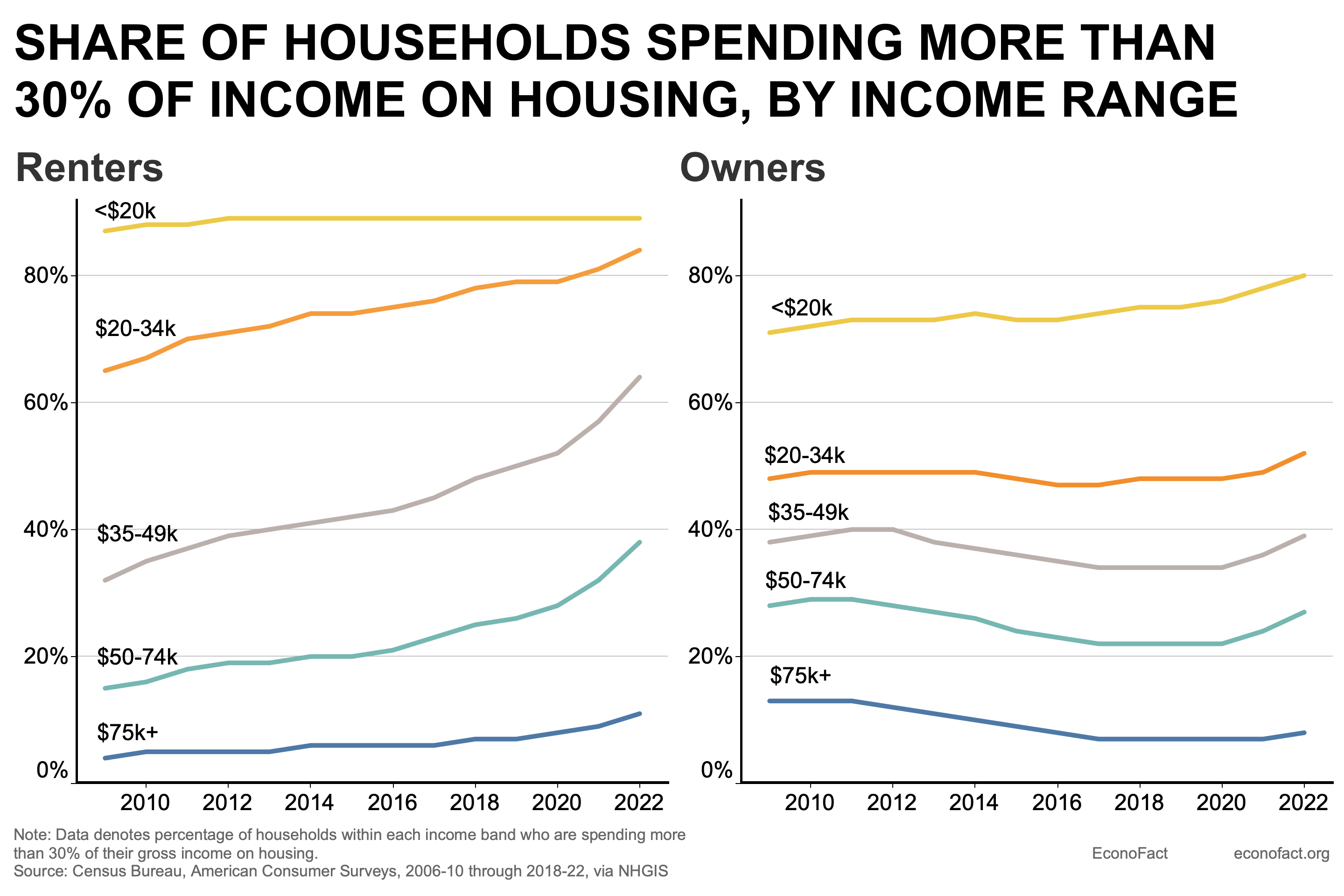
When people spend a larger portion of their income on housing, they have less money available for other goods and services. This can lead to a decrease in consumer spending, which is a major component of economic growth. Reduced consumer spending can impact various industries, from retail to entertainment.
Slower Economic Growth
A slowdown in the housing market can contribute to slower overall economic growth. The construction industry, real estate agents, mortgage lenders, and related businesses all rely on a healthy housing market to thrive. When the housing market weakens, these sectors can experience job losses and reduced profits, which can negatively impact the broader economy.
Potential for Recession
In extreme cases, a sharp and prolonged decline in the housing market can contribute to a recession. The housing market played a central role in the 2008 financial crisis, demonstrating the potential for housing-related problems to trigger a broader economic downturn. While not all increases in interest rates will lead to a recession, it's important to monitor the housing market closely for signs of instability.
Strategies for Addressing Affordability Challenges
Given the potential long-term effects of rising interest rates on housing affordability, it's important to explore strategies for mitigating these challenges. These strategies can be implemented by individuals, policymakers, and the real estate industry.
Government Policies
Governments can play a role in promoting housing affordability through various policies. These policies can include:
- Subsidized Housing Programs: Providing financial assistance to low- and moderate-income families to help them afford housing.
- Tax Credits for First-Time Homebuyers: Encouraging homeownership by offering tax breaks to first-time buyers.
- Zoning Reforms: Reducing restrictive zoning regulations that limit the supply of housing, particularly affordable housing.
Individual Strategies
Individuals can also take steps to improve their housing affordability. These steps can include:
- Improving Credit Score: A higher credit score can qualify borrowers for lower interest rates.
- Saving for a Larger Down Payment: A larger down payment reduces the loan amount and the associated interest costs.
- Considering Smaller or More Affordable Homes: Being willing to compromise on size or location can make homeownership more attainable.
Industry Initiatives
The real estate industry can also contribute to addressing affordability challenges through initiatives such as:
- Developing More Affordable Housing Options: Focusing on building smaller, more energy-efficient homes that are priced within reach of more buyers.
- Offering Innovative Financing Solutions: Exploring alternative mortgage products that can help borrowers overcome affordability barriers.
The Importance of Long-Term Planning
Navigating the housing market in a rising interest rate environment requires careful planning and a long-term perspective. Potential homebuyers should carefully assess their financial situation, consider various housing options, and be prepared to adjust their expectations. Current homeowners should also be mindful of the potential impact of rising interest rates on their home equity and overall financial well-being. By understanding the long-term effects of rising interest rates and taking proactive steps to address affordability challenges, individuals and communities can navigate the housing market successfully and achieve their homeownership goals.

0 Comments