
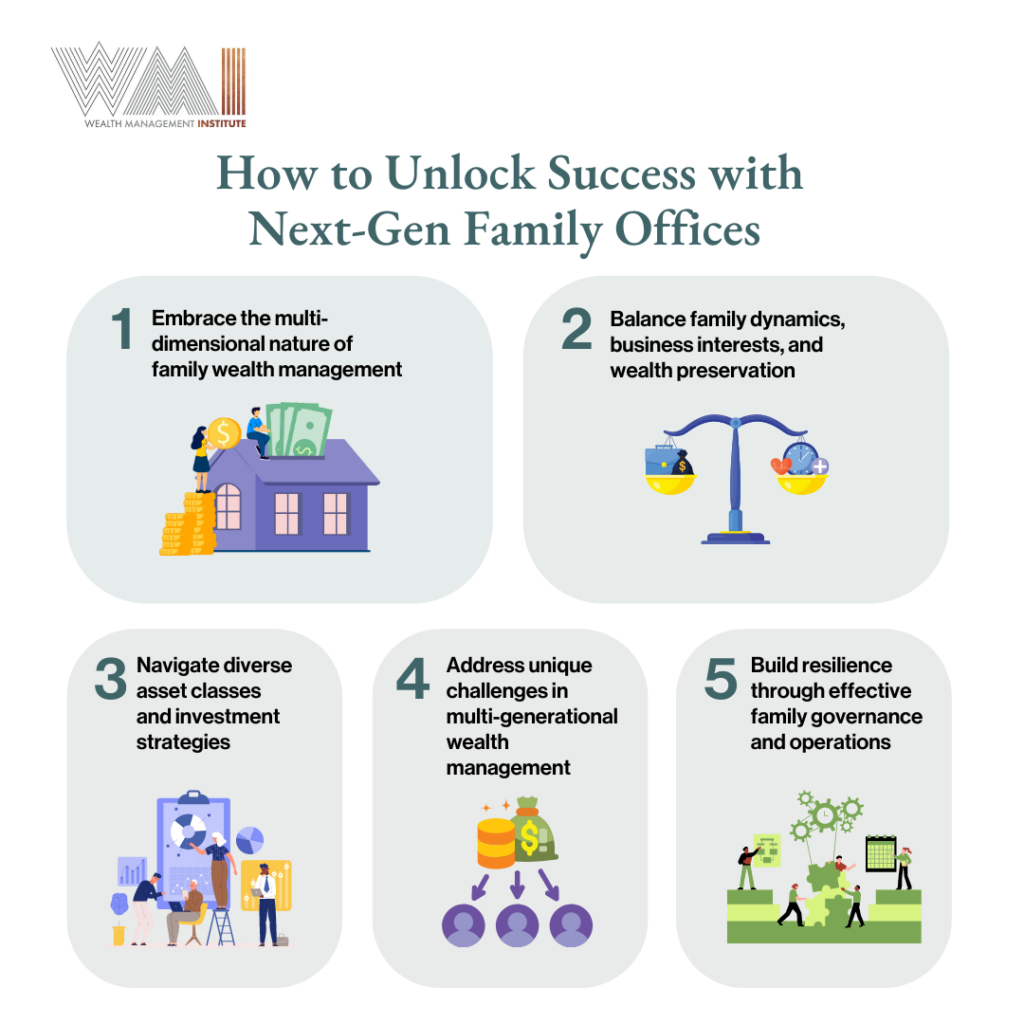
Understanding the Unique Challenges of Multi-Generational Investing
Managing wealth across multiple generations presents a unique set of challenges. Each generation has its own financial goals, risk tolerance, and understanding of investment principles. Successfully navigating these differences is crucial for preserving and growing family wealth for the long term. Factors such as varying tax implications, differing levels of financial literacy, and the potential for family conflict all need to be considered when developing an effective investment strategy.
Furthermore, the long-term horizon inherent in multi-generational investing requires a focus on sustainable growth and preservation of capital. Short-term gains should not come at the expense of the overall family's financial well-being. A well-defined investment strategy, coupled with open communication and a shared understanding of goals, is essential for success.
Key Considerations for Developing a Multi-Generational Investment Plan
Before diving into specific investment options, it's essential to establish a solid foundation. This involves several key considerations:
Defining Shared Values and Goals
The first step is to identify the family's shared values and long-term goals. What does wealth mean to your family? Is it about providing for future generations, supporting philanthropic causes, or ensuring financial security for all members? Understanding these underlying values will help guide investment decisions and ensure everyone is working towards the same objectives. This process often involves family meetings, workshops, or consultations with a financial advisor specializing in multi-generational wealth.
Establishing a Clear Investment Policy Statement (IPS)
An Investment Policy Statement (IPS) is a written document that outlines the family's investment philosophy, goals, risk tolerance, asset allocation, and other relevant guidelines. The IPS serves as a roadmap for investment decisions, ensuring consistency and discipline over time. It should be reviewed and updated regularly to reflect changes in family circumstances or market conditions. A well-defined IPS helps to minimize emotional decision-making and provides a framework for evaluating investment performance.
Creating a Family Governance Structure
Establishing a clear family governance structure is crucial for managing wealth effectively and resolving potential conflicts. This may involve creating a family council, appointing a trustee, or establishing a formal decision-making process. The governance structure should define roles and responsibilities, establish communication protocols, and provide a mechanism for addressing disagreements. A strong governance structure promotes transparency, accountability, and fairness, fostering trust and cooperation among family members.
Investment Strategies for Long-Term Growth and Preservation
Once the foundational elements are in place, you can begin to explore specific investment strategies that align with the family's goals and risk tolerance. Here are a few common approaches:
Diversified Asset Allocation
Diversification is a cornerstone of any sound investment strategy, especially for multi-generational wealth. Spreading investments across different asset classes, such as stocks, bonds, real estate, and alternative investments, can help to reduce risk and enhance returns over the long term. The specific asset allocation should be tailored to the family's risk tolerance, time horizon, and financial goals. Regularly rebalancing the portfolio to maintain the desired asset allocation is also essential.
Long-Term Equity Investing
Equities, or stocks, have historically provided higher returns than other asset classes over the long term. While equities can be more volatile than bonds, they offer the potential for significant capital appreciation. A long-term equity investing strategy involves holding a diversified portfolio of stocks for an extended period, allowing the power of compounding to work its magic. Consider investing in both domestic and international stocks to further diversify the portfolio.
Real Estate Investments
Real estate can be a valuable addition to a multi-generational investment portfolio. It offers the potential for both income generation (through rental properties) and capital appreciation. Real estate can also provide diversification benefits, as its performance is often uncorrelated with stocks and bonds. However, real estate investments require careful due diligence and ongoing management. Consider investing in a mix of residential, commercial, and potentially even agricultural properties.
Private Equity and Alternative Investments
Private equity and other alternative investments, such as hedge funds and venture capital, can offer the potential for higher returns than traditional asset classes. However, they also come with higher risks and lower liquidity. These investments are typically more suitable for sophisticated investors with a long-term time horizon and a higher risk tolerance. Before investing in private equity or alternative investments, it's crucial to conduct thorough due diligence and understand the risks involved.
Tax-Efficient Investing Strategies
Tax planning is an integral part of multi-generational wealth management. Minimizing taxes can significantly enhance investment returns over the long term. Strategies such as tax-loss harvesting, utilizing tax-advantaged accounts (e.g., 401(k)s, IRAs, 529 plans), and gifting assets to family members can help to reduce the tax burden. Consult with a tax professional to develop a tax-efficient investment strategy that aligns with the family's overall financial goals.
The Importance of Education and Communication
Effective communication and financial education are crucial for the success of any multi-generational investment strategy. Each generation needs to understand the family's financial goals, investment philosophy, and governance structure. Providing financial education to younger generations can help them to become responsible stewards of the family wealth. Open communication and transparency can foster trust and cooperation among family members, minimizing the potential for conflict.
Regular family meetings, workshops, and educational sessions can help to keep everyone informed and engaged. Consider bringing in outside experts, such as financial advisors, estate planning attorneys, and tax professionals, to provide objective advice and guidance. By fostering a culture of financial literacy and open communication, you can ensure that the family's wealth is managed effectively and passed on to future generations.

0 Comments