
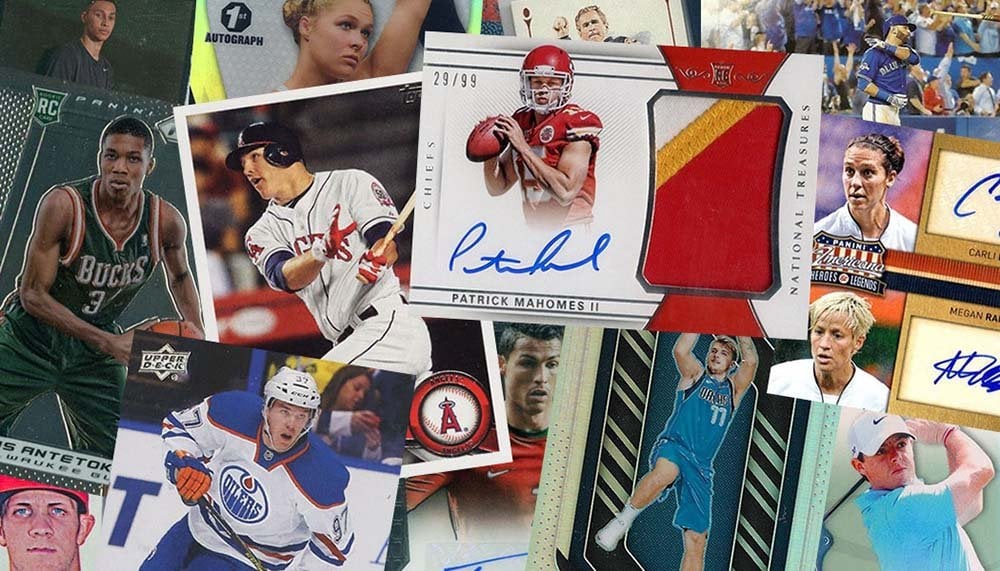
Why Invest in Baseball Cards?
Investing in baseball cards has seen a significant resurgence in recent years, moving beyond a childhood hobby to a legitimate alternative investment. Several factors contribute to this renewed interest, including nostalgia, the potential for high returns, and the increasing accessibility of the market through online platforms.
Unlike traditional investments like stocks or bonds, baseball cards offer a tangible asset that can appreciate in value based on factors like rarity, condition, player performance, and historical significance. The thrill of the hunt for a valuable card, coupled with the potential for substantial profit, makes baseball card investing an attractive option for both seasoned investors and newcomers.
Key Investment Strategies for Baseball Cards
Successful baseball card investing requires a well-defined strategy. Here are some popular approaches to consider:
1. Focusing on Hall of Famers and Established Stars
This strategy involves investing in cards of players who have already cemented their legacy in baseball history. Hall of Famers like Babe Ruth, Jackie Robinson, and Mickey Mantle are always in high demand, making their cards a relatively safe investment, although prices can be very high. Established stars who are actively playing, but have a proven track record, can also be a good option. Look for players who consistently perform at an elite level and are likely to be remembered as all-time greats.
The advantage of this strategy is the stability and long-term appreciation potential of these cards. However, the initial investment can be significant, and the rate of return may be slower compared to other strategies.
2. Targeting Rookie Cards of Promising Prospects
This strategy focuses on identifying and investing in the rookie cards of players who are considered to have high potential. This approach carries more risk, as a player's career can be unpredictable, but the potential rewards can be substantial. If a prospect lives up to the hype and becomes a superstar, the value of their rookie cards can skyrocket.
To succeed with this strategy, it's crucial to conduct thorough research on prospects, considering factors like their talent, work ethic, team situation, and injury history. Follow minor league performance, read scouting reports, and pay attention to industry buzz. This strategy requires a keen eye for talent and a willingness to take calculated risks.
3. Investing in Graded Cards
Grading is the process of having a professional grading company assess the condition of a baseball card and assign it a numerical grade, typically on a scale of 1 to 10. Graded cards, particularly those with high grades (e.g., PSA 9 or PSA 10), are generally more valuable than ungraded cards because the grading process provides authentication and assures the buyer of the card's condition.
Investing in graded cards can be a smart strategy because it reduces the risk of buying counterfeit or altered cards. It also simplifies the valuation process, as the grade provides a standardized measure of the card's condition. When buying graded cards, stick to reputable grading companies like PSA, SGC, and Beckett.
4. Seeking Out Rare and Error Cards
Rare and error cards are often highly sought after by collectors, making them potentially lucrative investments. These cards can include short prints, variations, and cards with printing errors or other unique features. The scarcity of these cards drives up their value, especially if they feature popular players.
Identifying rare and error cards requires a deep knowledge of the baseball card market and a keen eye for detail. Collectors and dealers often publish guides and resources that can help you identify these cards. Be cautious when purchasing rare or error cards, as counterfeits are common. Always authenticate the card before making a purchase.
5. Focusing on Specific Sets or Eras
Some investors choose to specialize in specific sets or eras of baseball cards. For example, you might focus on collecting cards from the 1950s, 1980s, or specific sets like Topps Chrome or Bowman Chrome. This strategy allows you to develop expertise in a particular area of the market, making it easier to identify undervalued cards and potential investment opportunities.
By focusing on a specific niche, you can also build relationships with other collectors and dealers who share your interests. This can provide access to valuable information and opportunities to acquire rare and desirable cards.
Factors Affecting Baseball Card Values
Understanding the factors that influence baseball card values is crucial for making informed investment decisions:
Player Performance and Career Trajectory
A player's performance on the field is a primary driver of their card values. Players who consistently perform at a high level and achieve significant milestones (e.g., hitting home runs, winning awards) tend to have more valuable cards. A player's career trajectory also plays a role. If a player is on the rise and showing signs of future greatness, their cards are likely to appreciate in value.
Rarity and Scarcity
The rarity of a baseball card is a major factor in determining its value. Cards that were produced in limited quantities or have been withdrawn from circulation are generally more valuable than common cards. Factors like short prints, variations, and error cards contribute to rarity and scarcity.
Condition
The condition of a baseball card is critical. Cards in pristine condition are worth significantly more than those with wear and tear. Factors like centering, corners, edges, and surface condition are all considered when assessing a card's condition. This is why graded cards are so important; they provide an objective assessment of condition.
Popularity and Demand
The popularity of a player or set also affects card values. Cards of popular players who have a large fan base are often in higher demand, driving up their prices. Similarly, certain sets or eras of baseball cards are more popular than others, leading to higher values for cards from those sets.
Market Trends
The baseball card market is subject to trends and fluctuations. Factors like economic conditions, media coverage, and the release of new products can all influence card values. Staying informed about market trends and adjusting your investment strategy accordingly is essential for success.
Tips for Successful Baseball Card Investing
Here are some essential tips for navigating the world of baseball card investing:
Do Your Research
Thorough research is essential for making informed investment decisions. Learn about the history of baseball cards, the different types of cards, and the factors that influence their value. Read industry publications, follow online forums, and consult with experienced collectors and dealers.
Set a Budget
Determine how much you are willing to invest in baseball cards and stick to your budget. Avoid overspending, especially when starting out. Remember that baseball card investing is a long-term game, and it's important to manage your risk carefully.
Buy from Reputable Sources
Purchase cards from reputable dealers, auction houses, and online marketplaces. Be wary of deals that seem too good to be true, as they may be scams. Always authenticate cards before making a purchase, especially high-value cards.
Protect Your Investment
Properly store and protect your baseball cards to maintain their condition and value. Use protective sleeves, top loaders, and storage boxes to prevent damage from handling, light, and moisture. Consider insuring your collection against theft or damage.
Be Patient
Baseball card investing is not a get-rich-quick scheme. It takes time and patience to build a valuable collection. Don't expect to see immediate returns on your investments. Focus on building a diversified portfolio of cards with long-term appreciation potential.

0 Comments