
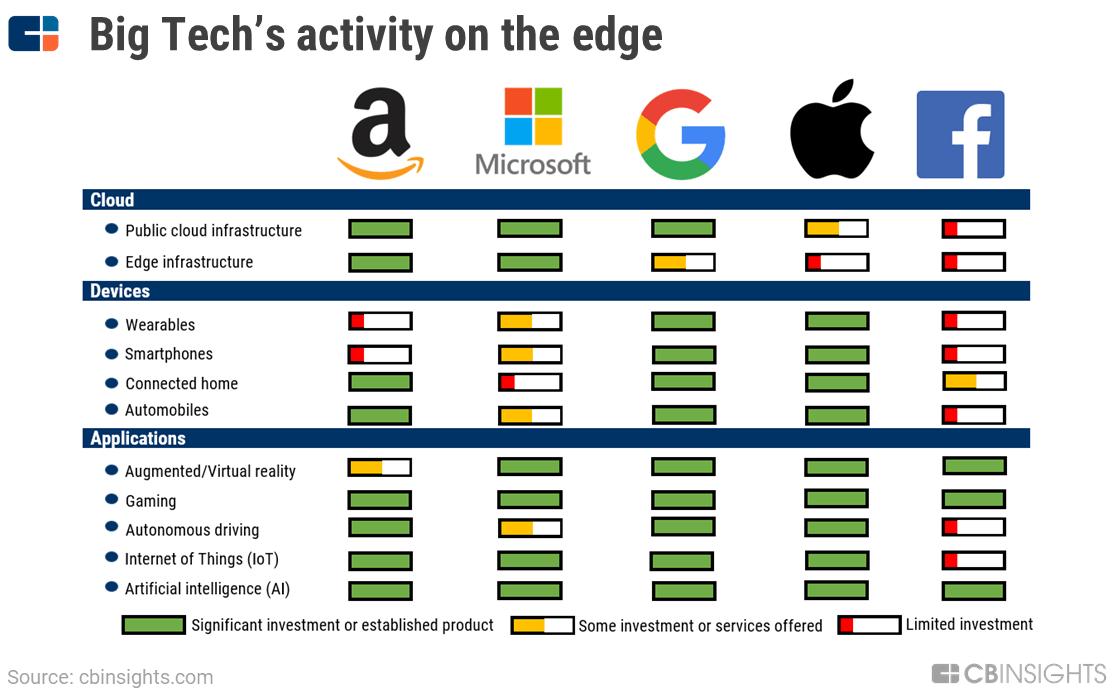
Understanding the Edge Computing Landscape
Edge computing is rapidly transforming the way we process and analyze data. Instead of relying solely on centralized cloud infrastructure, edge computing brings computation and data storage closer to the source of data – the “edge” of the network. This proximity dramatically reduces latency, improves bandwidth efficiency, and enhances security, making it a crucial technology for various applications, from autonomous vehicles to smart factories.
Understanding the nuances of edge computing is the first step in formulating sound investment strategies. It's not just about hardware; it encompasses software, networking, and security components. The market is still evolving, presenting both opportunities and risks for investors.
Identifying Key Investment Areas in Edge Computing
The edge computing ecosystem is diverse, offering numerous avenues for investment. Here are some key areas to consider:
Hardware Infrastructure
This encompasses the physical devices that enable edge computing, including servers, gateways, and specialized processors designed for edge deployments. Companies developing innovative hardware solutions, such as energy-efficient processors or ruggedized devices for harsh environments, present attractive investment opportunities.
Investing in companies providing the building blocks for edge infrastructure can provide a broad exposure to the growth of the industry. Consider companies focused on:
- Edge servers and data centers
- Specialized processors (e.g., AI accelerators)
- Networking equipment optimized for edge deployments
Software Platforms and Applications
Software is the brains behind edge computing. This includes operating systems, middleware, data management tools, and application development platforms specifically designed for the edge. Investing in software companies that enable developers to build and deploy edge applications efficiently is a promising strategy.
Look for companies that are simplifying the development and deployment of edge applications, providing tools for:
- Edge application development and management
- Data analytics and machine learning at the edge
- Security and monitoring of edge deployments
Networking and Connectivity
Reliable and secure connectivity is essential for edge computing. This includes technologies like 5G, Wi-Fi 6, and time-sensitive networking (TSN) that enable seamless communication between edge devices and the cloud. Investments in companies providing networking solutions optimized for edge environments are worth exploring.
Consider companies that specialize in:
- 5G infrastructure and solutions for edge deployments
- Secure and reliable edge networking technologies
- Edge-optimized IoT connectivity platforms
Security Solutions
Security is a paramount concern in edge computing. The distributed nature of edge environments creates new attack vectors, making robust security solutions crucial. Investing in companies developing specialized security solutions for edge deployments is a vital strategy.
Look for companies that are addressing the unique security challenges of edge computing, such as:
- Edge device security and authentication
- Data encryption and protection at the edge
- Threat detection and response for edge environments
Investment Strategies for Edge Computing
Now that we've identified key investment areas, let's explore different investment strategies you can employ:
Direct Investment in Publicly Traded Companies
Investing in publicly traded companies that are actively involved in the edge computing market is a straightforward approach. Research companies that are leaders in hardware, software, networking, or security solutions for the edge. Analyze their financial performance, market position, and growth potential before making investment decisions.
Consider the following when evaluating publicly traded companies:
- Revenue growth and profitability
- Market share and competitive landscape
- Innovation and technology roadmap
- Management team and track record
Venture Capital and Private Equity
Investing in early-stage or growth-stage companies through venture capital or private equity funds can offer significant returns. Edge computing is a rapidly evolving market, and many innovative startups are emerging. However, this strategy also carries higher risk due to the illiquidity and uncertainty associated with private investments.
When investing in venture capital or private equity funds, consider:
- The fund's investment focus and expertise
- The fund manager's track record
- The fund's investment terms and fees
- The portfolio companies' potential for growth
Index Funds and ETFs
Investing in index funds or exchange-traded funds (ETFs) that track the technology sector can provide diversified exposure to the edge computing market. While these funds may not be solely focused on edge computing, they often include companies that are actively involved in the industry. This approach offers a lower-risk way to participate in the growth of edge computing.
When selecting index funds or ETFs, consider:
- The fund's expense ratio
- The fund's tracking error
- The fund's portfolio composition
- The fund's liquidity
Strategic Partnerships and Joint Ventures
Companies can also invest in edge computing by forming strategic partnerships or joint ventures with other companies that have complementary capabilities. This can be a way to accelerate innovation, gain access to new markets, or share the costs and risks associated with developing edge computing solutions.
When considering strategic partnerships or joint ventures, evaluate:
- The potential synergies between the partners
- The alignment of strategic goals
- The clarity of roles and responsibilities
- The legal and regulatory considerations
Due Diligence is Key
Regardless of the investment strategy you choose, conducting thorough due diligence is essential. This includes researching the companies, the technology, the market, and the competitive landscape. Understanding the risks and opportunities associated with edge computing is crucial for making informed investment decisions.
Key areas to focus on during due diligence include:
- Market size and growth potential
- Competitive landscape and key players
- Technological trends and innovations
- Regulatory and compliance considerations
- Financial performance and valuation
Consider the Long-Term Perspective
Edge computing is a long-term trend that is expected to continue to grow in the coming years. Investors should adopt a long-term perspective and be prepared to weather the volatility that is often associated with emerging technologies. By focusing on companies with strong fundamentals, innovative solutions, and a clear vision for the future, investors can position themselves to benefit from the long-term growth of the edge computing market.

0 Comments