
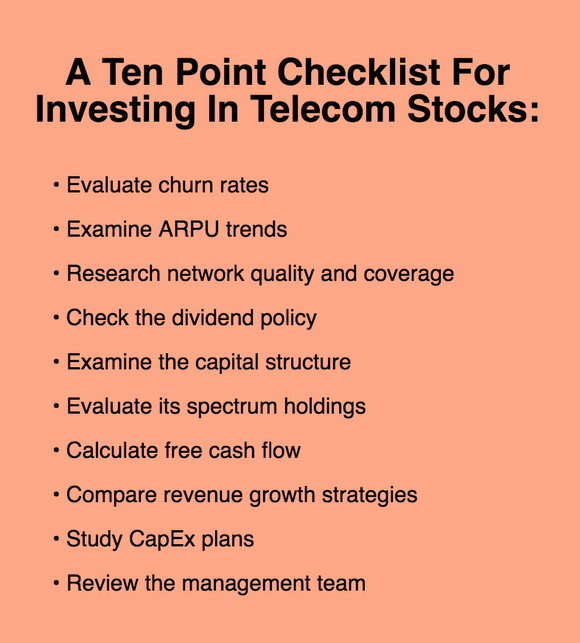
Investing in Telecommunications Stocks: A Comprehensive Guide
The telecommunications industry is a dynamic and essential sector of the global economy. From mobile communication and internet services to broadband and satellite technology, telecom companies provide the infrastructure and services that connect people and businesses worldwide. Investing in telecommunications stocks can be a potentially lucrative opportunity, but it requires a well-defined strategy and a thorough understanding of the industry's nuances.
Understanding the Telecommunications Industry
Before diving into specific investment strategies, it's crucial to grasp the fundamentals of the telecommunications industry. Key aspects to consider include:
- Industry Structure: The telecom sector is often characterized by a mix of large, established players and smaller, more specialized companies. These companies can be categorized by the services they provide, such as mobile operators, fixed-line providers, internet service providers (ISPs), and infrastructure companies.
- Technological Advancements: The telecom industry is constantly evolving with rapid technological advancements. 5G technology, fiber optic networks, and the Internet of Things (IoT) are just a few examples of innovations that are reshaping the landscape. Understanding these trends is crucial for identifying promising investment opportunities.
- Regulatory Environment: Telecommunications is a heavily regulated industry, with government agencies overseeing licensing, competition, and consumer protection. Regulatory changes can significantly impact the profitability and growth prospects of telecom companies.
- Market Competition: The telecom market is highly competitive, with companies vying for market share and customer loyalty. Factors such as pricing, service quality, and network coverage play a significant role in determining success.
Investment Strategies for Telecommunications Stocks
There are several investment strategies that can be employed when investing in telecommunications stocks. The best approach will depend on your individual investment goals, risk tolerance, and time horizon.
1. Value Investing
Value investing involves identifying undervalued companies that are trading below their intrinsic value. This strategy focuses on companies with strong fundamentals, such as consistent profitability, solid balance sheets, and a history of dividend payments. In the telecommunications sector, value investors may look for established companies that are temporarily out of favor due to market sentiment or short-term challenges.
Key Metrics for Value Investing in Telecoms:
- Price-to-Earnings (P/E) Ratio: A low P/E ratio may indicate that a stock is undervalued compared to its earnings.
- Price-to-Book (P/B) Ratio: A low P/B ratio suggests that a stock is undervalued relative to its book value.
- Dividend Yield: A high dividend yield can be attractive to value investors seeking income.
2. Growth Investing
Growth investing focuses on companies that are expected to experience rapid growth in earnings and revenue. This strategy is often associated with companies that are investing heavily in new technologies, expanding into new markets, or disrupting existing industries. In the telecommunications sector, growth investors may target companies that are leading the way in 5G deployment, developing innovative IoT solutions, or expanding their fiber optic networks.
Key Metrics for Growth Investing in Telecoms:
- Revenue Growth Rate: A high revenue growth rate indicates that a company is expanding its market share and attracting new customers.
- Earnings Growth Rate: A high earnings growth rate suggests that a company is becoming more profitable over time.
- Capital Expenditure (CAPEX): High CAPEX spending can indicate that a company is investing in its infrastructure and future growth.
3. Dividend Investing
Dividend investing involves investing in companies that pay consistent and growing dividends. This strategy is particularly attractive to investors seeking a steady stream of income. In the telecommunications sector, many established companies have a long history of paying dividends, making them attractive to dividend investors. These companies often generate stable cash flows and have a commitment to returning value to shareholders.
Key Metrics for Dividend Investing in Telecoms:
- Dividend Yield: The dividend yield is the annual dividend payment divided by the stock price. A high dividend yield can be attractive, but it's important to ensure that the dividend is sustainable.
- Dividend Payout Ratio: The dividend payout ratio is the percentage of earnings that a company pays out as dividends. A low payout ratio indicates that the dividend is more sustainable and has room to grow.
- Dividend Growth Rate: A consistent history of dividend growth is a positive sign for dividend investors.
4. Income Investing
Similar to dividend investing, income investing focuses on generating current income from investments. However, income investing may encompass a broader range of assets beyond just dividend-paying stocks. In the telecommunications sector, this could include investing in bonds issued by telecom companies or participating in real estate investment trusts (REITs) that own telecom infrastructure, such as cell towers.
5. Sector Rotation
Sector rotation is a strategy that involves shifting investments between different sectors of the economy based on macroeconomic conditions and industry trends. In the telecommunications sector, this could involve increasing exposure to telecom stocks during periods of economic growth or when interest rates are low. Conversely, reducing exposure to telecom stocks during periods of economic recession or when interest rates are rising.
Factors to Consider Before Investing
Before investing in telecommunications stocks, it's important to conduct thorough research and consider the following factors:
- Company Financials: Analyze the company's financial statements, including its income statement, balance sheet, and cash flow statement. Look for signs of financial strength, such as consistent profitability, low debt levels, and strong cash flow generation.
- Industry Trends: Stay informed about the latest trends in the telecommunications industry, such as 5G deployment, the Internet of Things (IoT), and the growth of cloud computing. Understanding these trends can help you identify companies that are well-positioned for future growth.
- Competitive Landscape: Assess the competitive landscape of the telecommunications market. Identify the key players and their market share, and evaluate the competitive advantages of each company.
- Regulatory Environment: Monitor regulatory changes that could impact the telecommunications industry. Pay attention to issues such as net neutrality, spectrum allocation, and data privacy.
- Management Team: Evaluate the quality of the company's management team. Look for experienced and capable leaders who have a proven track record of success.
Risks Associated with Investing in Telecommunications Stocks
While investing in telecommunications stocks can be potentially rewarding, it's important to be aware of the associated risks:
- Technological Obsolescence: The telecommunications industry is constantly evolving, and new technologies can quickly render existing technologies obsolete. This can lead to a decline in the value of companies that are slow to adapt.
- Regulatory Risks: Regulatory changes can significantly impact the profitability and growth prospects of telecom companies.
- Competition: The telecom market is highly competitive, and companies face constant pressure to lower prices and improve service quality.
- Economic Downturns: During economic downturns, consumers and businesses may cut back on spending on telecommunications services, which can negatively impact the revenue and profitability of telecom companies.
- High Capital Expenditure: Telecom companies often require significant capital expenditure to maintain and upgrade their networks. This can strain their financial resources and limit their ability to pay dividends or invest in new technologies.
Diversification is Key
As with any investment, it's important to diversify your portfolio when investing in telecommunications stocks. Don't put all your eggs in one basket. Consider investing in a mix of different telecom companies, as well as other sectors of the economy. This can help to reduce your overall risk and improve your long-term investment returns.
Due Diligence is Essential
Before making any investment decisions, it's essential to conduct thorough due diligence. This includes researching the company's financials, understanding the industry trends, and assessing the competitive landscape. By doing your homework, you can make more informed investment decisions and increase your chances of success.

0 Comments