
Understanding Developed Markets for Investment
Developed markets, typically characterized by high levels of economic development, stable political systems, and well-established financial infrastructure, present unique investment opportunities. These markets, including the United States, Europe, Japan, and Australia, often offer lower growth potential compared to emerging markets but provide a more stable and predictable investment environment. Investing in developed markets can be a crucial component of a diversified investment portfolio, offering stability and access to established companies.
Key Investment Strategies for Developed Markets
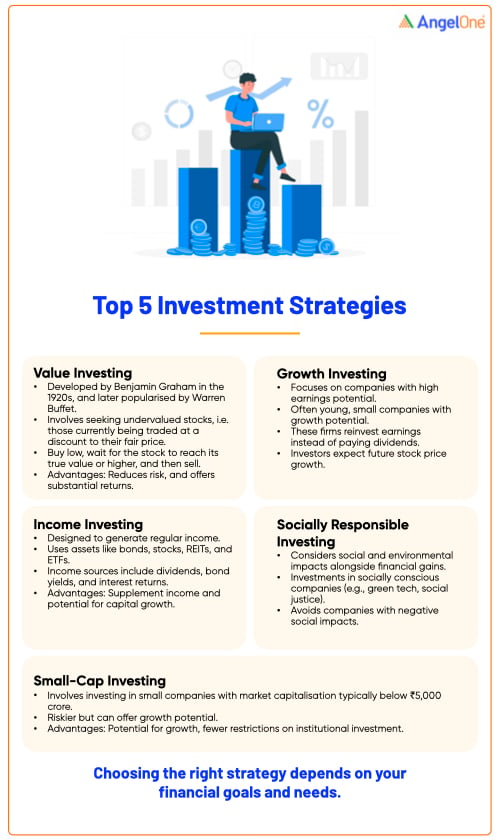
1. Value Investing
Value investing involves identifying undervalued companies in developed markets. This strategy focuses on companies whose stock prices are trading below their intrinsic value. Investors employing this approach analyze financial statements, assess management quality, and evaluate industry conditions to determine if a company is being overlooked by the market. Finding undervalued assets requires rigorous fundamental analysis and patience, but it can yield significant returns over the long term. Key metrics used in value investing include price-to-earnings (P/E) ratio, price-to-book (P/B) ratio, and dividend yield.
2. Growth Investing
Growth investing targets companies with high growth potential, even if their current valuations appear high. These companies are often innovative and operating in rapidly expanding industries. Growth investors are willing to pay a premium for the expectation of future earnings growth. This strategy is particularly relevant in developed markets where technological advancements and changing consumer preferences drive growth. Identifying sustainable growth requires assessing a company's competitive advantages, market share, and innovation pipeline. Common metrics used in growth investing include revenue growth rate, earnings growth rate, and return on equity (ROE).
3. Dividend Investing
Dividend investing focuses on companies that consistently pay dividends to shareholders. This strategy is attractive to investors seeking a steady stream of income. Developed markets are often home to mature companies with stable earnings and a history of dividend payouts. Dividend-paying stocks can provide a cushion during market downturns and enhance overall portfolio returns. Selecting dividend stocks involves evaluating a company's dividend yield, payout ratio, and dividend growth history. It's crucial to ensure that the dividend is sustainable and that the company has a strong financial position to maintain its dividend payments.
4. Index Investing (Passive Investing)
Index investing, also known as passive investing, involves investing in a broad market index, such as the S&P 500 or the Euro Stoxx 50. This strategy aims to replicate the performance of the index, providing broad market exposure at a low cost. Index funds and exchange-traded funds (ETFs) are popular vehicles for index investing. Passive investing is a simple and efficient way to participate in the growth of developed markets without the need for active stock selection. It is suitable for investors who prefer a hands-off approach and are comfortable with market-average returns. The key advantage is lower expense ratios compared to actively managed funds.
5. Sector-Specific Investing
Sector-specific investing involves focusing on particular industries or sectors within developed markets. This strategy allows investors to capitalize on specific trends and opportunities. For example, investing in the technology sector in the United States or the healthcare sector in Europe. Sector-specific ETFs and mutual funds provide a convenient way to gain exposure to specific industries. However, this strategy requires a deep understanding of the sector and its dynamics. Investors should carefully analyze the growth prospects, competitive landscape, and regulatory environment of the chosen sector.
6. Real Estate Investment Trusts (REITs)
REITs are companies that own, operate, or finance income-producing real estate. Investing in REITs provides exposure to the real estate market without directly owning properties. Developed markets have well-established REIT markets, offering a variety of investment options. REITs typically pay regular dividends, making them attractive to income-seeking investors. Analyzing REITs involves evaluating their portfolio of properties, occupancy rates, rental income, and management expertise. REITs can be a valuable addition to a diversified portfolio, providing diversification and potential for capital appreciation and income.
7. Currency Hedging Strategies
When investing in developed markets, currency fluctuations can significantly impact returns. Currency hedging strategies aim to mitigate the risk of currency movements. This can be achieved through the use of currency forwards, futures, or options. Hedging can reduce volatility and provide more predictable returns, but it also comes with a cost. Investors should carefully consider the potential benefits and costs of currency hedging before implementing such strategies. The decision to hedge depends on an investor's risk tolerance, investment horizon, and expectations for currency movements.
8. ESG Investing (Environmental, Social, and Governance)
ESG investing incorporates environmental, social, and governance factors into investment decisions. This strategy focuses on companies that demonstrate strong sustainability practices and responsible corporate behavior. Developed markets are at the forefront of ESG investing, with increasing demand for sustainable investment options. ESG funds and ETFs provide a convenient way to invest in companies with high ESG ratings. ESG investing can align investments with personal values and potentially enhance long-term returns by identifying companies that are better positioned to manage risks and capitalize on opportunities related to sustainability.
Factors to Consider When Investing in Developed Markets
Economic Outlook
The economic outlook of developed markets is a crucial factor to consider. Economic growth, inflation, interest rates, and unemployment rates can all impact investment returns. Investors should monitor economic indicators and stay informed about macroeconomic trends. Understanding the economic cycle and its potential impact on different sectors is essential for making informed investment decisions.
Political Stability
Political stability is another important consideration when investing in developed markets. Political events, such as elections, policy changes, and geopolitical tensions, can create uncertainty and volatility in the markets. Investors should assess the political landscape and its potential impact on their investments. Countries with stable political systems and predictable regulatory environments are generally considered more attractive for long-term investment.
Interest Rate Environment
The interest rate environment plays a significant role in investment returns. Changes in interest rates can affect bond yields, stock valuations, and currency values. Investors should monitor central bank policies and their potential impact on their investments. Rising interest rates can put downward pressure on bond prices and stock valuations, while falling interest rates can have the opposite effect.
Regulatory Environment
The regulatory environment can significantly impact investment opportunities and risks. Changes in regulations, such as tax laws, environmental regulations, and financial regulations, can affect company profitability and investor returns. Investors should stay informed about regulatory developments and their potential impact on their investments. Countries with transparent and predictable regulatory frameworks are generally considered more attractive for investment.

0 Comments