
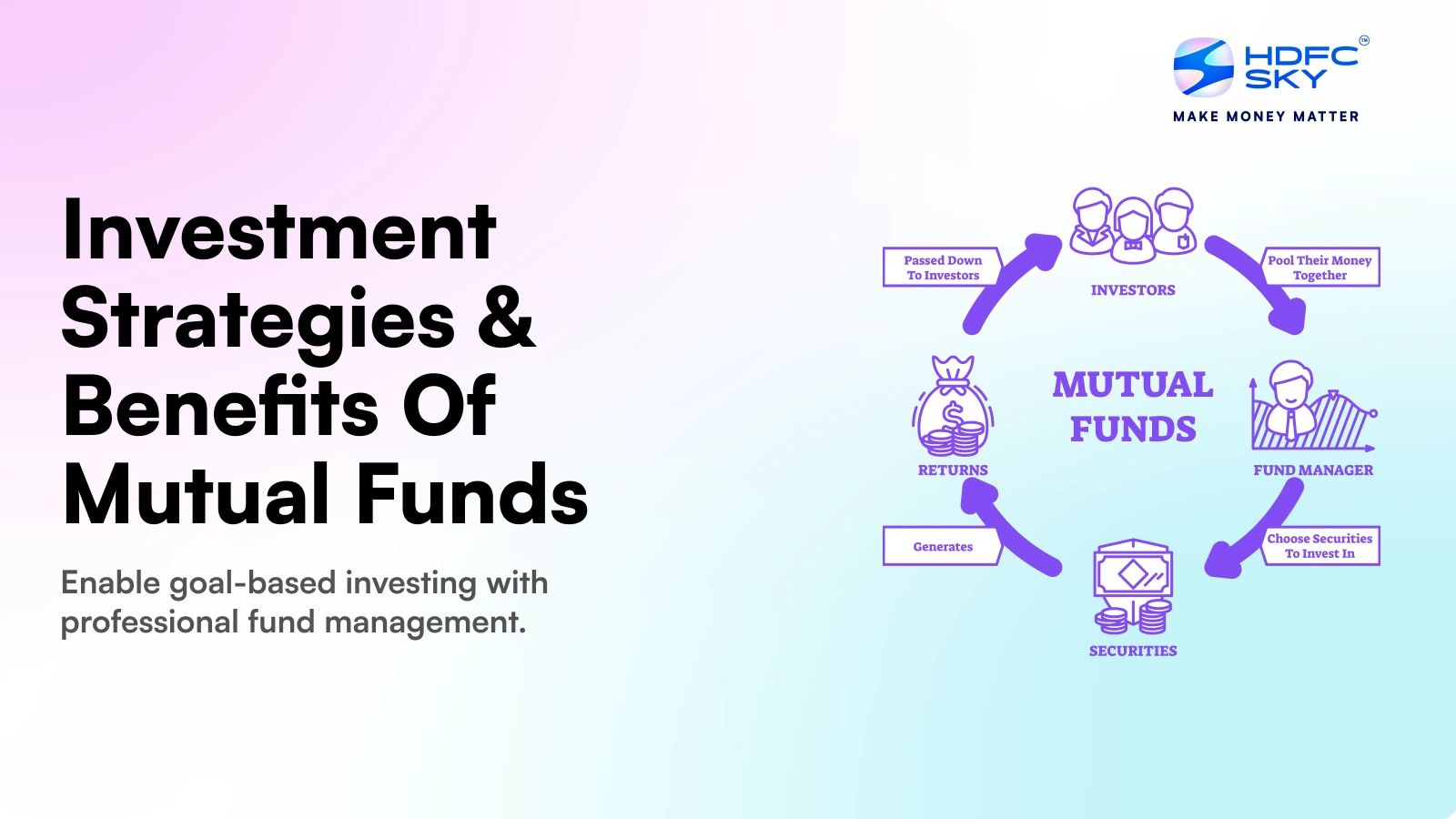
Understanding Mutual Funds and Investment Strategies
Mutual funds are a popular investment vehicle that pools money from multiple investors to purchase a diversified portfolio of stocks, bonds, or other assets. This diversification helps to reduce risk compared to investing in individual securities. However, choosing the right mutual fund and implementing a sound investment strategy is crucial for achieving your financial goals. This article explores various investment strategies for investing in mutual funds, empowering you to make informed decisions and build a successful portfolio.
Key Considerations Before Investing
Before diving into specific strategies, it’s essential to understand your individual circumstances. Consider the following:
- Risk Tolerance: How much risk are you comfortable taking? Are you willing to accept the possibility of losing some of your investment in exchange for potentially higher returns?
- Investment Goals: What are you saving for? Retirement, a down payment on a house, or your children's education? Your goals will influence your investment timeframe and risk appetite.
- Time Horizon: How long do you have until you need the money? A longer time horizon allows you to take on more risk, as you have more time to recover from potential losses.
- Financial Situation: Assess your current income, expenses, and debts. Ensure you have a solid financial foundation before investing.
Common Mutual Fund Investment Strategies
1. Dollar-Cost Averaging
Dollar-cost averaging involves investing a fixed amount of money at regular intervals, regardless of the market price. This strategy helps to reduce the risk of investing a large sum of money at a market peak. When prices are low, you buy more shares, and when prices are high, you buy fewer shares. Over time, this can lead to a lower average cost per share.
Example: You decide to invest $500 in a mutual fund every month. In months when the share price is lower, you'll purchase more shares. In months when the share price is higher, you'll purchase fewer shares. This consistent investment approach helps smooth out the volatility of the market.
2. Value Investing
Value investing focuses on identifying undervalued mutual funds – those whose share price is lower than their intrinsic value. Value investors believe that the market will eventually recognize the true worth of these funds, leading to capital appreciation. This strategy requires thorough research and analysis of the fund's holdings, management team, and financial performance.
How to Identify Value Funds: Look for funds with low price-to-earnings (P/E) ratios, low price-to-book (P/B) ratios, and high dividend yields compared to their peers.
3. Growth Investing
Growth investing targets mutual funds that are expected to grow at a faster rate than the overall market. These funds typically invest in companies with high growth potential, even if they have higher valuations. Growth investors are willing to pay a premium for these funds in anticipation of future returns. This strategy can be riskier than value investing, as growth stocks are often more volatile.
How to Identify Growth Funds: Look for funds with high revenue growth, earnings growth, and strong competitive advantages.
4. Index Investing
Index investing involves investing in mutual funds that track a specific market index, such as the S&P 500. These funds aim to replicate the performance of the index, providing broad market exposure at a low cost. Index funds are a passive investment strategy, as they don't require active management by a fund manager.
Benefits of Index Investing: Low expense ratios, diversification, and consistent performance that mirrors the market.
5. Sector Investing
Sector investing focuses on investing in mutual funds that specialize in a particular industry or sector, such as technology, healthcare, or energy. This strategy allows you to target specific areas of the economy that you believe have strong growth potential. However, sector investing can be riskier than investing in diversified funds, as the performance of a single sector can be highly volatile.
Considerations for Sector Investing: Thoroughly research the sector and understand its cyclical nature, potential risks, and long-term growth prospects.
6. Active vs. Passive Management
Active Management: Actively managed mutual funds employ a fund manager who makes investment decisions with the goal of outperforming a specific benchmark. These funds typically have higher expense ratios due to the cost of research and management.
Passive Management: Passively managed mutual funds, such as index funds, aim to replicate the performance of a specific index. These funds have lower expense ratios and typically provide more consistent returns.
The choice between active and passive management depends on your investment philosophy and risk tolerance. Some investors believe that skilled fund managers can consistently outperform the market, while others prefer the lower costs and consistent performance of passive funds.
7. Asset Allocation
Asset allocation involves dividing your investment portfolio among different asset classes, such as stocks, bonds, and cash. The optimal asset allocation depends on your risk tolerance, investment goals, and time horizon. A well-diversified portfolio can help to reduce risk and improve returns over the long term.
Example Asset Allocation Strategies:
- Aggressive: 80% stocks, 20% bonds
- Moderate: 60% stocks, 40% bonds
- Conservative: 40% stocks, 60% bonds
Tips for Successful Mutual Fund Investing
- Do Your Research: Before investing in any mutual fund, carefully review its prospectus, investment objectives, and past performance.
- Consider Expense Ratios: High expense ratios can significantly impact your returns over the long term. Choose funds with low expense ratios whenever possible.
- Diversify Your Portfolio: Don't put all your eggs in one basket. Diversify your investments across different asset classes, sectors, and geographic regions.
- Rebalance Regularly: Periodically rebalance your portfolio to maintain your desired asset allocation.
- Stay Disciplined: Avoid making emotional investment decisions based on short-term market fluctuations. Stick to your long-term investment plan.
- Seek Professional Advice: If you're unsure about how to invest in mutual funds, consider seeking advice from a qualified financial advisor.
Monitoring Your Investments
Regularly monitor your mutual fund investments to ensure they are performing as expected and are still aligned with your investment goals. Review your portfolio at least once a year and make adjustments as needed. Consider factors such as changes in your risk tolerance, time horizon, or financial situation.

0 Comments