
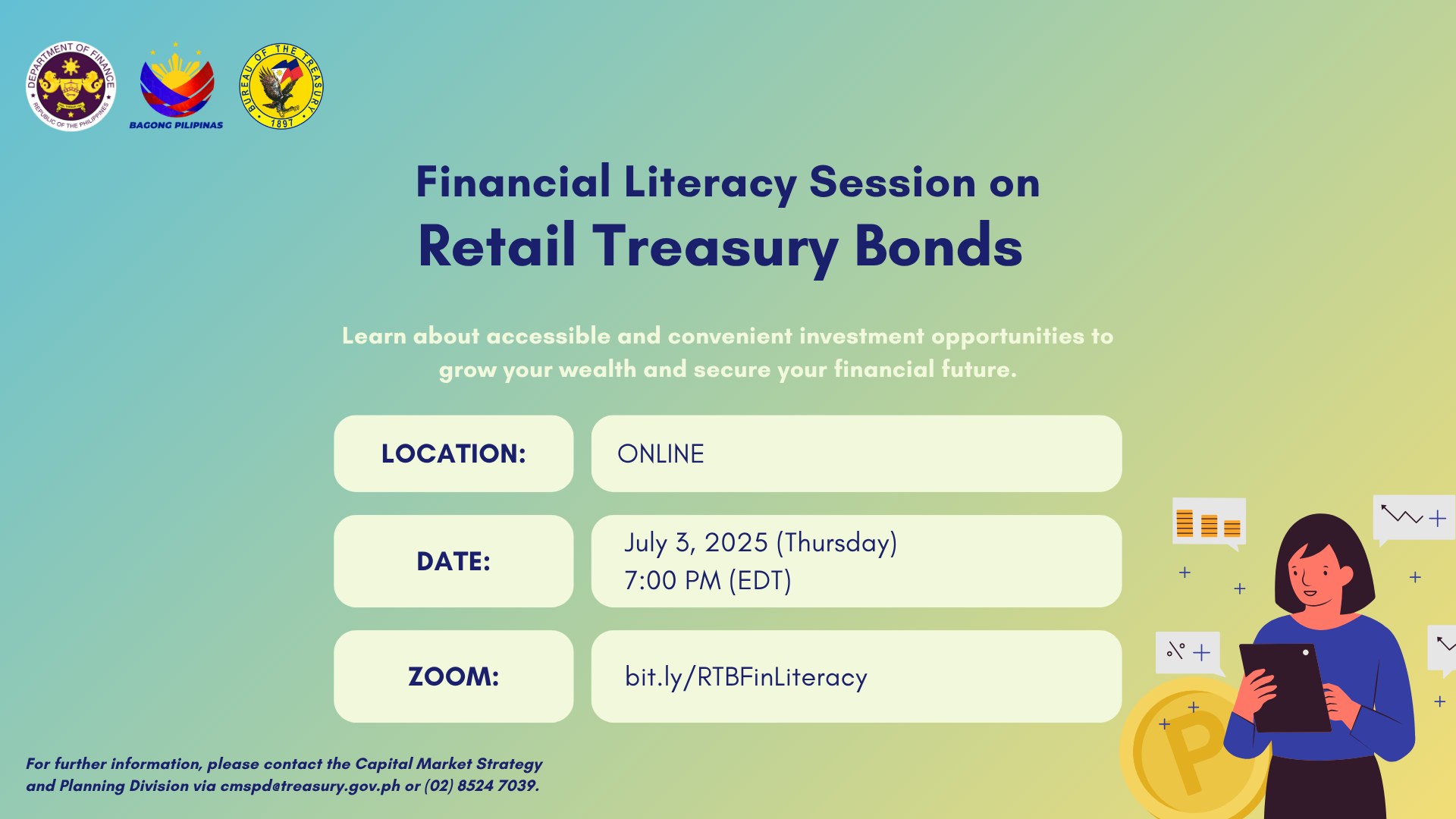
Building a Foundation for Financial Security Through Strategic Investing
Achieving financial security is a long-term journey that requires careful planning and strategic investment. It's not about getting rich quick, but rather about building a solid financial foundation that can weather economic storms and provide for your future needs. Understanding different investment strategies and aligning them with your individual circumstances and goals is crucial for success.
Understanding Your Risk Tolerance and Investment Timeline
Before diving into specific investment options, it's essential to assess your risk tolerance and define your investment timeline. Risk tolerance refers to your ability and willingness to withstand potential losses in your investments. A younger investor with a longer time horizon might be comfortable taking on more risk, while someone closer to retirement might prefer a more conservative approach.
Your investment timeline is the length of time you have until you need to access your investment funds. A longer timeline allows for more aggressive investment strategies that can potentially generate higher returns, while a shorter timeline necessitates a more conservative approach to protect your capital.
Diversification: The Cornerstone of a Sound Investment Strategy
Diversification is a risk management technique that involves spreading your investments across a variety of asset classes, industries, and geographic regions. The goal is to reduce the impact of any single investment performing poorly on your overall portfolio. A well-diversified portfolio can help you mitigate risk and potentially enhance returns over the long term.
Asset Allocation: The Key to Diversification
Asset allocation is the process of dividing your investment portfolio among different asset classes, such as stocks, bonds, and real estate. Each asset class has its own risk and return characteristics, and the optimal asset allocation will depend on your risk tolerance, investment timeline, and financial goals.
Stocks, also known as equities, typically offer the highest potential returns but also carry the highest risk. Bonds are generally considered less risky than stocks and provide a more stable income stream. Real estate can offer both capital appreciation and rental income but can also be less liquid than stocks and bonds.
Exploring Different Investment Options
The investment landscape offers a wide range of options, each with its own advantages and disadvantages. Understanding these options is crucial for building a portfolio that aligns with your individual needs and goals.
Stocks: Investing in Companies
Investing in stocks means buying ownership shares in publicly traded companies. Stocks can offer significant growth potential, but they also come with the risk of losing value. There are different types of stocks, such as growth stocks, value stocks, and dividend stocks, each with its own investment characteristics.
Bonds: Lending to Governments and Corporations
Bonds are debt securities issued by governments and corporations to raise capital. When you buy a bond, you are essentially lending money to the issuer, who agrees to pay you interest over a specified period and repay the principal amount at maturity. Bonds are generally considered less risky than stocks and can provide a stable income stream.
Mutual Funds: Diversification in a Single Investment
Mutual funds are investment vehicles that pool money from multiple investors to invest in a diversified portfolio of stocks, bonds, or other assets. Mutual funds are managed by professional fund managers who make investment decisions on behalf of the fund's investors. They offer a convenient way to diversify your portfolio without having to individually select and manage a large number of investments.
Exchange-Traded Funds (ETFs): Similar to Mutual Funds, but Trade Like Stocks
Exchange-Traded Funds (ETFs) are similar to mutual funds in that they hold a diversified portfolio of assets, but they trade on stock exchanges like individual stocks. ETFs typically have lower expense ratios than mutual funds and offer greater flexibility in terms of trading.
Real Estate: Tangible Assets with Potential for Appreciation
Investing in real estate can provide both capital appreciation and rental income. However, real estate investments can also be less liquid than stocks and bonds and require more active management. There are different ways to invest in real estate, such as buying residential or commercial properties, investing in real estate investment trusts (REITs), or participating in real estate crowdfunding platforms.
The Importance of Rebalancing Your Portfolio
Over time, your asset allocation may drift away from your target allocation due to market fluctuations. Rebalancing involves selling some assets and buying others to bring your portfolio back into alignment with your desired asset allocation. Rebalancing helps you maintain your desired level of risk and potentially enhance returns over the long term.
When to Rebalance
There are several approaches to rebalancing your portfolio. You can rebalance on a periodic basis, such as annually or semi-annually, or you can rebalance when your asset allocation deviates significantly from your target allocation. A common rule of thumb is to rebalance when an asset class deviates by more than 5% from its target allocation.
The Power of Compounding
Compounding is the process of earning returns on your initial investment and then earning returns on those returns. Over time, compounding can significantly increase the value of your investments. The earlier you start investing and the more consistently you invest, the greater the power of compounding will be.
Seeking Professional Advice
Investing can be complex, and it's often beneficial to seek professional advice from a qualified financial advisor. A financial advisor can help you assess your risk tolerance, define your financial goals, and develop an investment strategy that aligns with your individual needs and circumstances. They can also provide ongoing guidance and support to help you stay on track toward achieving your financial goals.

0 Comments