
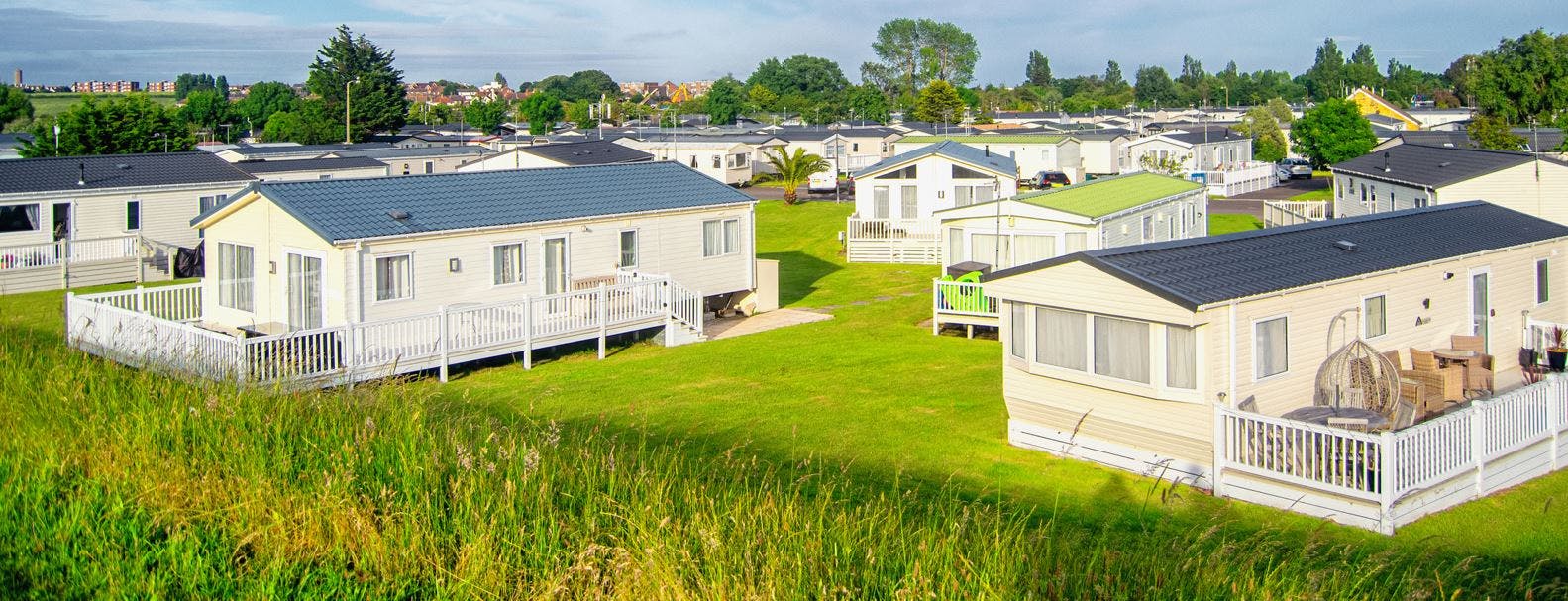
Why Mobile Home Park Investing?
Mobile home park investing, often overlooked in the realm of real estate, offers a unique and potentially lucrative avenue for investors. While it might not be as glamorous as flipping houses or owning luxury apartments, investing in mobile home parks can provide stable cash flow, recession resistance, and the opportunity for significant value appreciation. This guide delves into the intricacies of mobile home park investing, exploring its advantages, challenges, and key considerations for success.
Understanding the Mobile Home Park Business Model
The core concept behind mobile home park investing is simple: you own the land and infrastructure (roads, utilities) while residents own their mobile homes. Residents rent the land from you, providing a consistent stream of income. This differs significantly from traditional apartment complexes where you own both the land and the buildings.
Key Components of a Mobile Home Park Business
- Land: The most valuable asset. Its size, location, and zoning determine the park's potential.
- Infrastructure: Includes roads, utility hookups (water, sewer, electric), and common areas. Proper maintenance of these is crucial.
- Occupancy Rate: The percentage of occupied lots. Higher occupancy translates to higher revenue.
- Lot Rents: The monthly fees charged to residents for renting a lot. This is the primary source of income.
- Management: Efficient management is essential for maintaining the park, collecting rent, and handling resident issues.
Advantages of Investing in Mobile Home Parks
Mobile home park investing boasts several advantages that make it an attractive option for real estate investors:
Strong Cash Flow
Mobile home parks often generate higher cash flow than other real estate investments, such as apartments or single-family homes. This is due to lower operating expenses and relatively stable occupancy rates. Residents own their homes, so you are not responsible for significant repair costs associated with the dwellings themselves.
Recession Resistance
Mobile home parks tend to be more recession-resistant than other real estate sectors. In times of economic downturn, people still need affordable housing. Mobile homes provide a more affordable housing option than apartments or single-family homes, making them less susceptible to vacancy during economic hardship. People are less likely to move when facing financial difficulties, contributing to stable occupancy.
Lower Turnover Rates
Residents are less likely to move out of mobile home parks compared to apartments. Moving a mobile home is a significant undertaking, involving transportation costs, setup fees, and potential damage. This creates a strong incentive for residents to stay put, leading to lower turnover rates and reduced vacancy.
Opportunity for Value Appreciation
There are several ways to increase the value of a mobile home park. These include raising rents, improving occupancy rates, reducing expenses, and adding amenities. By implementing effective management strategies and making strategic improvements, investors can significantly increase the park's overall value.
Less Competition
Compared to other real estate sectors, there is less competition for mobile home park investments. Many investors are unfamiliar with this asset class or perceive it as too risky. This reduced competition can make it easier to find undervalued properties and negotiate favorable terms.
Challenges of Investing in Mobile Home Parks
While mobile home park investing offers numerous advantages, it's important to be aware of the potential challenges:
Due Diligence is Crucial
Thorough due diligence is essential before investing in a mobile home park. This includes inspecting the property, reviewing financial records, researching local regulations, and assessing the condition of the infrastructure. Neglecting due diligence can lead to costly surprises down the road.
Management Intensive
While you aren't responsible for the homes, managing a mobile home park requires attention to detail. This includes collecting rent, enforcing park rules, maintaining the common areas, and addressing resident concerns. Poor management can lead to decreased occupancy, increased expenses, and dissatisfied residents. You need a solid system for tenant screening, rent collection, and maintenance request handling.
Infrastructure Costs
Maintaining the park's infrastructure, such as roads, utilities, and common areas, can be expensive. Unexpected repairs can quickly eat into profits. A capital expenditure budget is crucial for addressing these potential issues.
Resident Relations
Building positive relationships with residents is essential for creating a thriving community. Addressing their concerns promptly and fairly can help reduce turnover and improve overall satisfaction. Understanding tenant rights and local regulations is paramount.
Financing Challenges
Securing financing for mobile home park investments can be more challenging than financing other types of real estate. Lenders may perceive mobile home parks as riskier investments. However, with a strong business plan and a proven track record, it is possible to obtain financing.
Key Considerations Before Investing
Before diving into mobile home park investing, consider the following factors:
Location
The location of the park is paramount. Look for parks in areas with strong job markets, good schools, and access to amenities. Avoid parks in declining areas or those with high crime rates.
Occupancy Rate
A high occupancy rate is a sign of a healthy park. Aim for parks with occupancy rates above 90%. Investigate the reasons for any vacancies.
Lot Rents
Research the average lot rents in the area to ensure that the park's rents are competitive. Consider the potential for raising rents without pricing yourself out of the market. Check local rent control regulations.
Infrastructure
Assess the condition of the park's infrastructure. Are the roads paved? Are the utilities in good working order? Factor in the cost of any necessary repairs or upgrades.
Park Rules and Regulations
Review the park's rules and regulations to ensure they are clear, fair, and enforceable. Well-defined rules can help maintain order and prevent disputes.
Zoning and Legal Issues
Understand the local zoning regulations and any legal issues that may affect the park. Ensure that the park is properly zoned for mobile home use and that there are no outstanding legal disputes.
Finding Mobile Home Park Investment Opportunities
Several resources can help you find mobile home park investment opportunities:
Online Marketplaces
Websites like LoopNet, Crexi, and MobileHomeParkStore.com list mobile home parks for sale.
Real Estate Brokers
Work with a real estate broker who specializes in mobile home park investments. They can help you find properties that meet your criteria and negotiate on your behalf.
Networking
Attend industry events and network with other investors, brokers, and property managers. This can help you uncover off-market deals and gain valuable insights.
Direct Mail Marketing
Send direct mail to park owners who may be interested in selling their properties.

0 Comments