
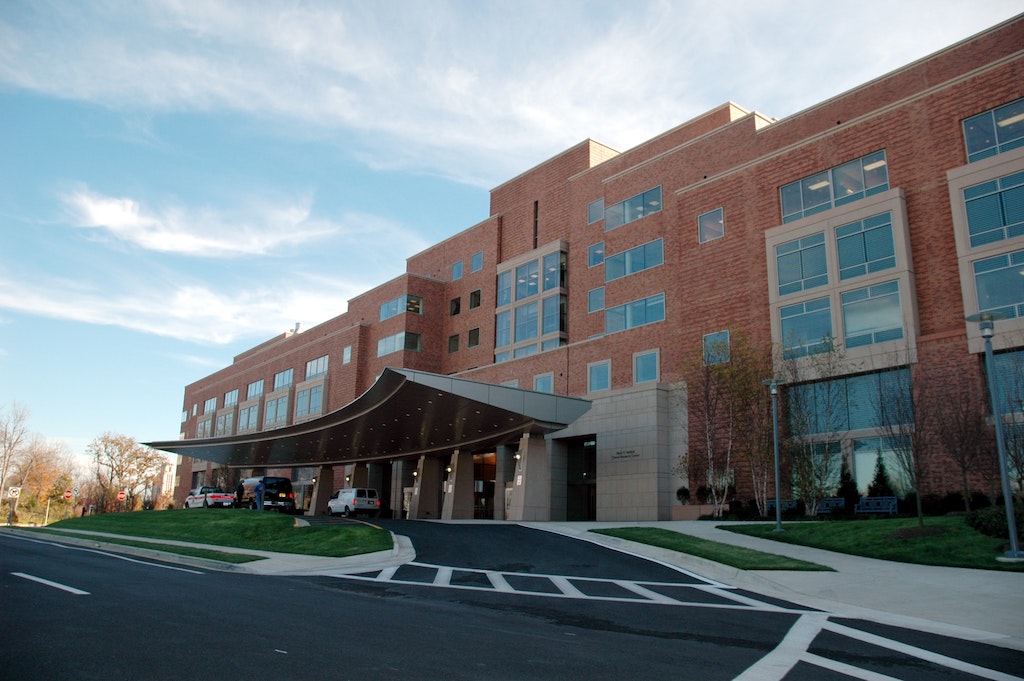
Why Medical Office Real Estate is a Smart Investment
Medical office real estate represents a unique and often overlooked opportunity for investors seeking stable returns and long-term growth. Unlike other commercial properties that can be heavily impacted by economic downturns or changing consumer preferences, healthcare real estate, particularly medical offices, benefits from consistent demand driven by an aging population and the ever-present need for medical services. This inherent stability makes it a compelling addition to any diversified investment portfolio.
Understanding the Medical Office Landscape
Before diving into the specifics of investing, it's crucial to understand the nuances of the medical office market. Medical offices are generally defined as properties occupied by healthcare providers, including physicians, dentists, specialists, and other medical professionals. These spaces can range from small, single-tenant offices to large, multi-tenant medical centers. The type of medical practice occupying the space significantly influences its value and investment potential.
Different Types of Medical Office Tenants
Understanding the different types of medical tenants is key to evaluating potential investments:
- Primary Care Physicians: These practices typically offer a stable, consistent stream of patients, making them reliable tenants.
- Specialists: Specialists, such as cardiologists, dermatologists, and orthopedic surgeons, often attract a higher-paying clientele and require specialized equipment and build-outs, potentially increasing the value of the property.
- Dental Practices: Dental offices require specific plumbing and electrical infrastructure, making them less easily adaptable for other uses, but also potentially increasing tenant retention.
- Urgent Care Centers: These facilities provide immediate care and often operate extended hours, requiring specific zoning and accessibility considerations.
- Diagnostic Imaging Centers: These centers require specialized equipment and shielding, making them highly specialized and potentially very valuable.
Benefits of Investing in Medical Office Real Estate
Investing in medical office real estate offers a range of compelling benefits:
Stable Demand and Occupancy Rates
Healthcare is a necessity, not a luxury. This translates to consistent demand for medical services, regardless of economic conditions. Medical offices tend to have higher occupancy rates and longer lease terms compared to other commercial properties, providing investors with a reliable income stream.
Strong Tenant Retention
Medical practices often invest significant capital in building out their spaces to meet specific needs and comply with regulatory requirements. This investment creates a strong incentive for them to remain in the property for the long term, reducing tenant turnover and associated costs.
Potential for Appreciation
As the population ages and healthcare demand increases, the value of well-located and well-maintained medical office properties is likely to appreciate. Furthermore, the demand for specialized medical services can drive up rental rates in certain areas.
Diversification Benefits
Medical office real estate can provide valuable diversification benefits to an investment portfolio. Its performance is often uncorrelated with other asset classes, such as stocks and bonds, which can help to reduce overall portfolio risk.
Key Considerations Before Investing
While medical office real estate offers numerous advantages, it's crucial to conduct thorough due diligence before investing.
Location, Location, Location
The location of a medical office property is paramount. Consider factors such as proximity to hospitals, other medical facilities, residential areas, and public transportation. Accessibility and visibility are also crucial for attracting patients.
Tenant Creditworthiness
Evaluate the financial stability and creditworthiness of potential tenants. Review their financial statements, credit reports, and business plans. A strong tenant covenant is essential for ensuring a consistent income stream.
Property Condition and Maintenance
Thoroughly inspect the property for any structural or mechanical issues. Ensure that the property is well-maintained and complies with all applicable building codes and regulations. Regular maintenance is essential for preserving the property's value and attracting tenants.
Lease Terms and Structure
Carefully review the lease terms and structure. Understand the rent escalation clauses, expense responsibilities, and renewal options. A well-structured lease can protect your investment and maximize your returns.
Regulatory Compliance
Medical office properties are subject to a range of regulatory requirements, including HIPAA and ADA compliance. Ensure that the property meets all applicable regulations to avoid potential liabilities.
Finding the Right Medical Office Property
Locating suitable medical office properties requires a strategic approach. Consider working with a real estate broker who specializes in healthcare real estate. These professionals have the expertise and network to identify promising investment opportunities.
Networking with Healthcare Professionals
Attend healthcare industry events and network with physicians, dentists, and other medical professionals. These connections can provide valuable insights into market trends and potential investment opportunities.
Utilizing Online Real Estate Platforms
Explore online real estate platforms that specialize in commercial properties. These platforms often list medical office properties for sale or lease and provide valuable information on market trends and pricing.
Due Diligence and Valuation
Once you've identified a potential investment property, conduct thorough due diligence. This includes reviewing financial statements, conducting property inspections, and obtaining appraisals. A professional valuation can help you determine the fair market value of the property.
Financing Options for Medical Office Real Estate
Securing financing for medical office real estate can be challenging, but several options are available:
Commercial Mortgages
Commercial mortgages are a common financing option for medical office properties. These loans typically have terms ranging from 5 to 25 years and require a down payment of 20% to 30%.
SBA Loans
The Small Business Administration (SBA) offers loan programs that can be used to finance the purchase of medical office properties. SBA loans often have more favorable terms than conventional commercial mortgages.
Private Equity
Private equity firms may be willing to invest in medical office properties, particularly those with strong growth potential.
Real Estate Investment Trusts (REITs)
Consider investing in publicly traded or private healthcare REITs. This allows you to gain exposure to the medical office market without directly owning and managing properties.

0 Comments