
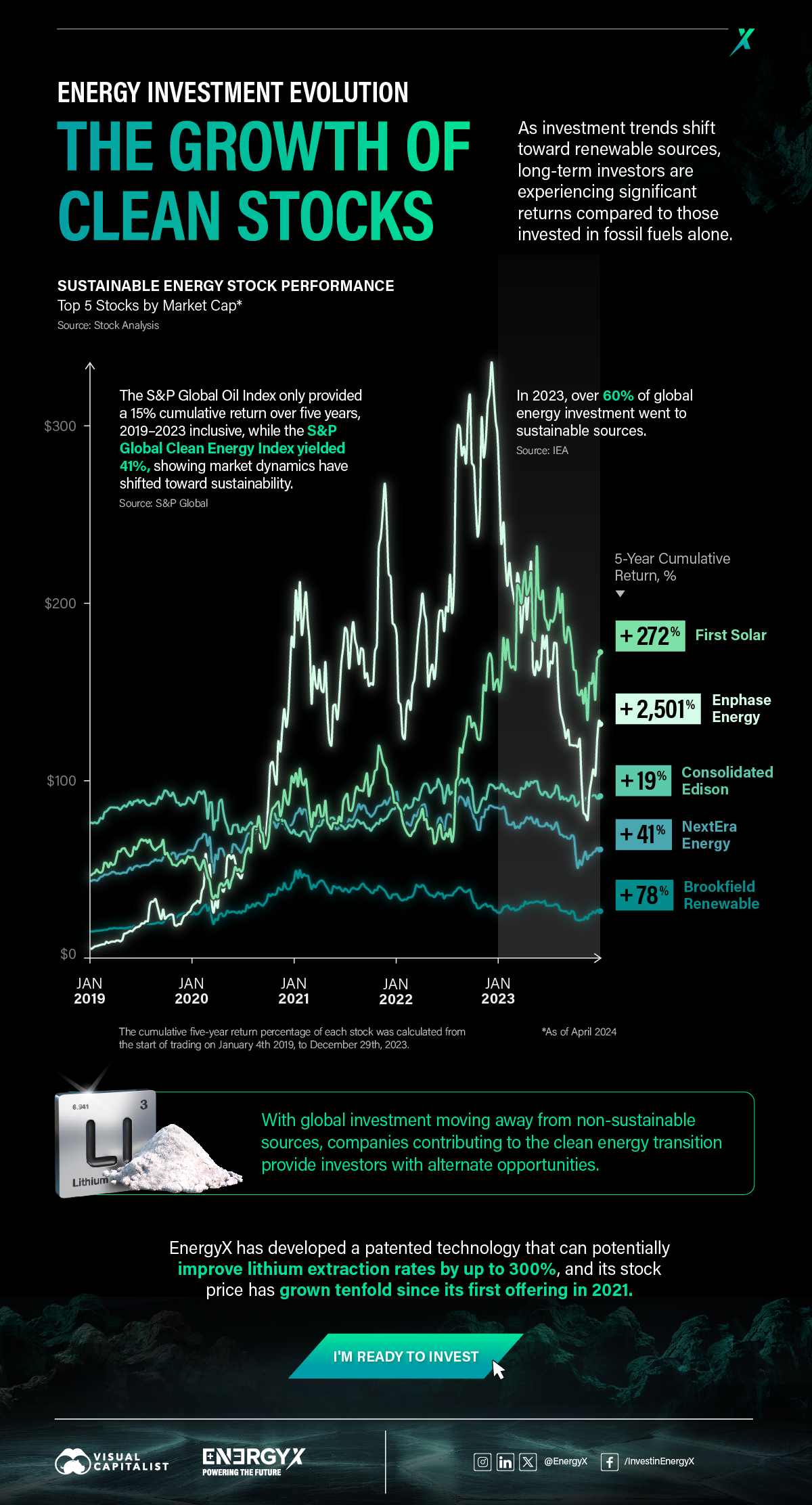
Why Invest in Green Energy Stocks?
Investing in green energy stocks has become increasingly popular in recent years, and for good reason. Beyond the potential for financial returns, it offers the opportunity to support a more sustainable future. Green energy, also known as renewable energy, encompasses sources like solar, wind, hydro, geothermal, and biomass. These sources are not only environmentally friendly but are also becoming increasingly cost-competitive with traditional fossil fuels.
Several factors are driving the growth of the green energy sector and making it an attractive investment opportunity:
- Growing Global Demand: Governments and corporations worldwide are committing to reducing carbon emissions and transitioning to cleaner energy sources. This commitment is fueling significant investment in renewable energy projects.
- Technological Advancements: Innovations in areas like solar panel efficiency, battery storage, and wind turbine technology are making green energy more efficient and affordable.
- Government Incentives and Regulations: Many governments offer tax credits, subsidies, and other incentives to promote the development and adoption of renewable energy. Regulations aimed at reducing pollution and promoting clean energy are also driving growth.
- Decreasing Costs: The cost of generating electricity from renewable sources has plummeted in recent years, making it increasingly competitive with fossil fuels.
- ESG Investing: Environmental, Social, and Governance (ESG) investing is on the rise, with more investors seeking to align their investments with their values. Green energy stocks are a natural fit for ESG portfolios.
Understanding Green Energy Sectors
The green energy sector is diverse, encompassing various technologies and industries. Understanding these different sectors can help you make more informed investment decisions.
Solar Energy
Solar energy is one of the fastest-growing renewable energy sources. Companies in this sector are involved in manufacturing solar panels, developing solar energy projects, and providing solar energy services.
Considerations for investing in solar energy stocks:
- Technological advancements: Keep abreast of improvements in solar panel efficiency and cost reduction.
- Government policies: Track government incentives and regulations related to solar energy.
- Competition: Analyze the competitive landscape and identify companies with a strong market position.
Wind Energy
Wind energy harnesses the power of the wind to generate electricity. Companies in this sector manufacture wind turbines, develop wind farms, and provide wind energy services.
Considerations for investing in wind energy stocks:
- Location and resources: Wind farm profitability depends heavily on wind availability.
- Technological advancements: Monitor improvements in wind turbine technology, such as larger blade sizes and more efficient designs.
- Environmental concerns: Be aware of potential environmental impacts, such as bird and bat mortality.
Hydroelectric Energy
Hydroelectric energy uses the power of flowing water to generate electricity. While a mature technology, hydroelectric power remains a significant source of renewable energy.
Considerations for investing in hydroelectric energy stocks:
- Environmental impact: Large-scale hydroelectric projects can have significant environmental impacts.
- Regulation: Hydroelectric projects are subject to strict regulations.
- Modernization: Opportunities exist in modernizing existing hydroelectric facilities to improve efficiency.
Geothermal Energy
Geothermal energy harnesses the heat from the Earth's interior to generate electricity. It's a reliable and consistent source of renewable energy.
Considerations for investing in geothermal energy stocks:
- Location: Geothermal resources are not evenly distributed geographically.
- Technology: Advancements in geothermal technology are opening up new opportunities.
- Sustainability: Geothermal energy can be a sustainable resource if managed properly.
Biomass Energy
Biomass energy uses organic matter, such as wood, crops, and waste, to generate electricity or heat. It can be a carbon-neutral energy source if biomass is sustainably managed.
Considerations for investing in biomass energy stocks:
- Sustainability: Ensure that biomass is sourced sustainably to avoid deforestation and other environmental problems.
- Efficiency: Biomass energy generation can be less efficient than other renewable sources.
- Competition: Biomass energy faces competition from other renewable energy sources.
Energy Storage
Energy storage is crucial for integrating intermittent renewable energy sources like solar and wind into the grid. Companies in this sector develop and manufacture batteries and other energy storage technologies.
Considerations for investing in energy storage stocks:
- Technological advancements: Keep abreast of improvements in battery technology, such as increased energy density and lower costs.
- Market demand: Demand for energy storage is expected to grow rapidly as renewable energy deployment increases.
- Competition: The energy storage market is highly competitive.
How to Choose Green Energy Stocks
Investing in green energy stocks requires careful research and due diligence. Here are some factors to consider when choosing green energy stocks:
- Company financials: Analyze the company's revenue, profitability, debt, and cash flow.
- Growth potential: Assess the company's growth prospects based on market trends, technological advancements, and government policies.
- Competitive advantage: Identify companies with a strong competitive advantage, such as proprietary technology, a strong brand, or a dominant market position.
- Management team: Evaluate the experience and expertise of the company's management team.
- ESG factors: Consider the company's environmental, social, and governance performance.
Risks of Investing in Green Energy Stocks
Like any investment, investing in green energy stocks involves risks. Some of the key risks include:
- Technological risk: Rapid technological advancements could render existing technologies obsolete.
- Regulatory risk: Changes in government policies and regulations could negatively impact the green energy sector.
- Market risk: Green energy stocks can be volatile and subject to market fluctuations.
- Competition: The green energy sector is highly competitive, and companies face intense competition from both established players and new entrants.
- Financing risk: Green energy projects often require significant capital investment, and companies may face challenges in securing financing.
Diversification is Key
As with any investment strategy, diversification is essential. Don't put all your eggs in one basket. Consider investing in a mix of green energy stocks across different sectors and geographies to reduce risk. You can also consider investing in green energy ETFs (Exchange Traded Funds) or mutual funds, which provide instant diversification.

0 Comments