
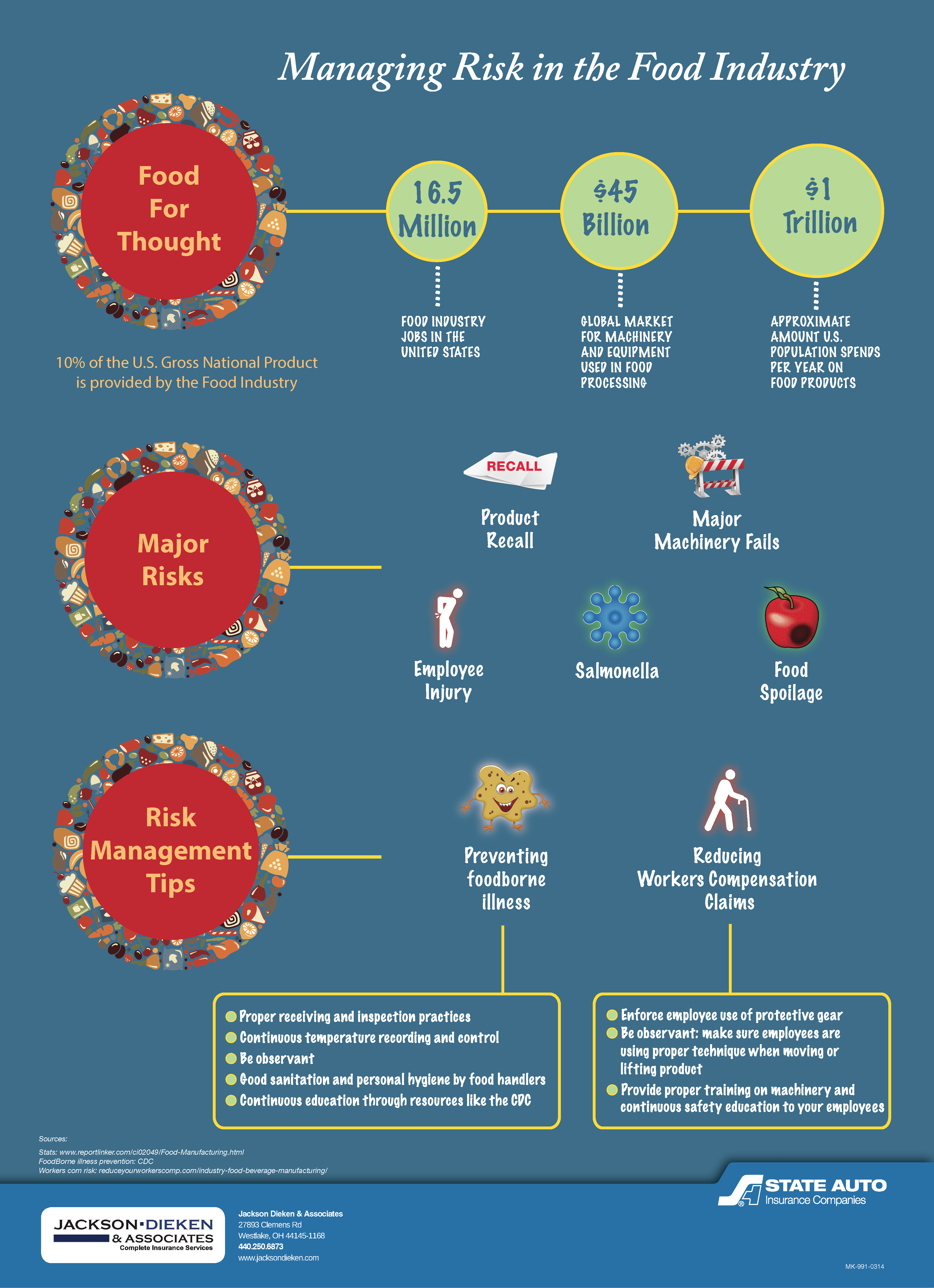
Understanding Insurance Risk Management for Restaurants and Hospitality
The restaurant and hospitality industry faces a unique set of risks. From food safety concerns to employee injuries and property damage, the potential for financial loss is significant. Effective insurance risk management is crucial for protecting your business, your employees, and your customers. This involves identifying potential risks, assessing their impact, and implementing strategies to mitigate or transfer those risks through insurance.
Identifying Key Risks in the Restaurant and Hospitality Industry
Before you can develop an effective insurance risk management plan, you need to understand the specific risks your restaurant or hospitality business faces. These risks can be broadly categorized as follows:
Property Risks
This category includes risks related to your physical property, such as:
- Fire: Kitchen fires are a common and devastating risk in restaurants.
- Theft and Vandalism: Restaurants are often targets for theft, especially after hours.
- Natural Disasters: Depending on your location, you may be vulnerable to floods, earthquakes, hurricanes, or other natural disasters.
- Equipment Breakdown: Malfunctioning kitchen equipment can lead to business interruption and costly repairs.
Liability Risks
Liability risks involve potential lawsuits arising from injuries or damages caused to others. Common liability risks for restaurants include:
- Slip and Fall Accidents: Customers or employees can be injured due to wet floors, uneven surfaces, or other hazards.
- Food Poisoning: Serving contaminated food can lead to serious illness and legal action.
- Alcohol-Related Incidents: If you serve alcohol, you're liable for the actions of intoxicated patrons.
- Assault and Battery: Security issues can lead to altercations between patrons or between patrons and staff.
Workers' Compensation Risks
This covers injuries and illnesses sustained by employees while on the job. Restaurant workers face a high risk of:
- Burns: Working around hot stoves, ovens, and fryers increases the risk of burns.
- Cuts: Using knives and other sharp objects can result in cuts and lacerations.
- Slips, Trips, and Falls: Kitchen floors can be slippery, leading to falls.
- Repetitive Motion Injuries: Tasks like chopping vegetables or washing dishes can cause repetitive motion injuries.
Business Interruption Risks
Business interruption refers to the loss of income due to unexpected events that disrupt your operations. These events can include:
- Fire or other property damage: If your restaurant is damaged, you may have to close temporarily.
- Supply Chain Disruptions: Problems with your suppliers can prevent you from getting the ingredients you need.
- Pandemics or other health crises: Public health emergencies can force you to close or limit your operations.
Assessing the Impact of Risks
Once you've identified the potential risks, you need to assess their potential impact on your business. This involves considering the following factors:
- Frequency: How often is the risk likely to occur?
- Severity: How much financial damage could the risk cause?
- Probability: What is the likelihood of the risk occurring?
By evaluating these factors, you can prioritize the risks that pose the greatest threat to your restaurant.
Implementing Risk Management Strategies
After assessing the risks, you can implement strategies to mitigate or transfer them. These strategies may include:
Risk Avoidance
This involves avoiding activities that create risk. For example, you might choose not to offer outdoor seating if it poses a significant security risk.
Risk Reduction
This involves taking steps to reduce the likelihood or severity of a risk. Examples include:
- Installing fire suppression systems: This can help to prevent kitchen fires from spreading.
- Providing employee safety training: This can help to reduce the risk of accidents and injuries.
- Implementing food safety protocols: This can help to prevent food poisoning outbreaks.
- Regularly inspecting and maintaining equipment: This can help to prevent equipment breakdowns.
Risk Transfer
This involves transferring the financial burden of risk to another party, typically through insurance. Common types of insurance for restaurants include:
- General Liability Insurance: This covers bodily injury and property damage caused to third parties.
- Property Insurance: This covers damage to your building, equipment, and inventory.
- Workers' Compensation Insurance: This covers medical expenses and lost wages for employees injured on the job.
- Business Interruption Insurance: This covers lost income due to business disruptions.
- Liquor Liability Insurance: This covers liability arising from the sale of alcohol.
- Food Contamination Insurance: This covers losses resulting from foodborne illnesses.
Choosing the Right Insurance Coverage
Selecting the right insurance coverage is a critical part of your risk management strategy. Work with an experienced insurance broker who understands the restaurant and hospitality industry. They can help you assess your specific needs and find the best coverage at a competitive price. Consider the following factors when choosing insurance:
- Coverage Limits: Make sure you have adequate coverage limits to protect your business from significant financial losses.
- Deductibles: Understand the deductible amounts and how they will affect your premiums.
- Exclusions: Be aware of any exclusions in the policy that could limit your coverage.
- Policy Endorsements: Consider adding endorsements to your policy to address specific risks, such as cyber liability or flood damage.
Regularly Reviewing and Updating Your Insurance Risk Management Plan
Your insurance risk management plan should be a living document that is regularly reviewed and updated. As your business changes, your risks will also change. Make sure to reassess your risks and adjust your insurance coverage accordingly. Factors that may warrant a review of your plan include:
- Changes in your business operations: Adding new services, expanding your menu, or opening a new location can all affect your risk profile.
- New regulations: Changes in food safety regulations, labor laws, or other regulations can impact your liability.
- Changes in your insurance needs: As your business grows, you may need to increase your coverage limits or add new types of coverage.
By taking a proactive approach to insurance risk management, you can protect your restaurant or hospitality business from financial losses and ensure its long-term success. Remember to consult with insurance professionals to tailor a plan that meets your specific needs and circumstances.

0 Comments