
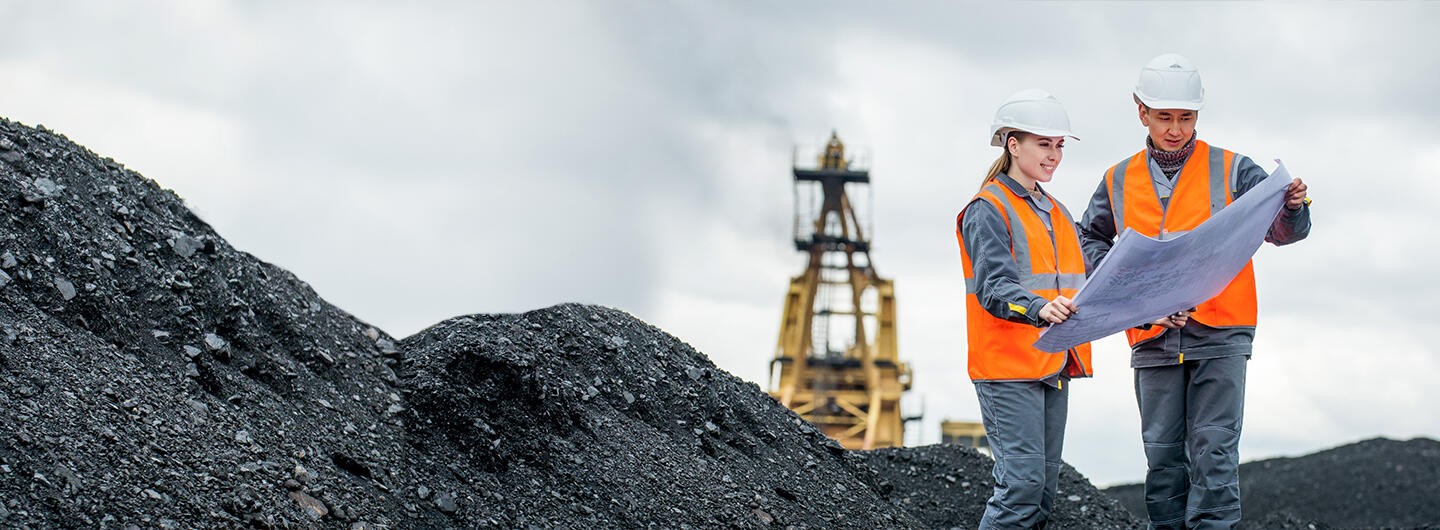
Understanding the Unique Risks in Mining Operations
Mining operations are inherently complex and fraught with potential risks. From the initial exploration phase to the final extraction and processing of minerals, every stage presents unique challenges that can lead to significant financial losses. These risks can range from geological uncertainties and equipment failures to environmental hazards and fluctuating commodity prices. Effective insurance risk management is therefore crucial for the sustainability and profitability of mining ventures.
Key Risk Categories in Mining
Before delving into insurance solutions, it's essential to identify and categorize the primary risks associated with mining operations. These can be broadly classified as follows:
Geological Risks
Geological risks are inherent to the nature of mining. Unexpected geological formations, fault lines, or variations in ore grade can significantly impact production and increase operational costs. These risks are often difficult to predict and require thorough geological surveys and risk assessments.
Unforeseen ground conditions, such as unstable rock formations or the presence of water, can lead to collapses, landslides, and other catastrophic events. Proper geotechnical investigations and engineering controls are essential to mitigate these risks.
Operational Risks
Operational risks encompass a wide range of potential hazards related to the day-to-day activities of a mining operation. These include:
- Equipment Failure: Heavy machinery is essential for mining, and breakdowns can cause significant delays and financial losses. Regular maintenance and proactive repairs are crucial.
- Human Error: Accidents caused by human error are a major concern in mining. Proper training, safety protocols, and fatigue management are essential.
- Supply Chain Disruptions: Disruptions to the supply chain, such as delays in the delivery of essential materials or equipment, can significantly impact production.
- Cybersecurity Risks: Increasingly, mining operations rely on technology, making them vulnerable to cyberattacks. Robust cybersecurity measures are vital to protect critical systems and data.
Environmental Risks
Mining operations can have significant environmental impacts, and environmental risks are a major concern for mining companies. These include:
- Pollution: Mining activities can release pollutants into the air, water, and soil, causing environmental damage and potentially leading to legal liabilities.
- Land Degradation: Mining can result in land degradation, including deforestation, soil erosion, and habitat loss.
- Water Management: Managing water resources effectively is critical in mining. Improper water management can lead to water scarcity, pollution, and flooding.
Financial and Market Risks
Mining operations are subject to a variety of financial and market risks, including:
- Commodity Price Fluctuations: Commodity prices are volatile and can significantly impact the profitability of mining operations.
- Currency Exchange Rate Risk: Mining companies that operate internationally are exposed to currency exchange rate risk.
- Political Risk: Political instability and changes in government regulations can impact mining operations.
Political and Social Risks
These risks include changes in government regulations, social unrest, community opposition, and security threats, all of which can disrupt operations and impact profitability.
The Role of Insurance in Mining Risk Management
Insurance plays a vital role in mitigating the financial impact of risks in mining operations. A comprehensive insurance program can provide financial protection against a wide range of potential losses, allowing mining companies to focus on their core business activities. Key insurance policies for mining operations include:
Property Insurance
Property insurance covers physical damage to mining assets, such as buildings, equipment, and infrastructure. This coverage typically includes protection against fire, theft, vandalism, and natural disasters.
Business Interruption Insurance
Business interruption insurance covers lost profits and continuing expenses resulting from a covered property loss. This coverage can help mining companies stay afloat during periods of downtime caused by accidents or disasters.
General Liability Insurance
General liability insurance protects mining companies from liability claims arising from bodily injury or property damage to third parties. This coverage is essential for protecting against lawsuits and other legal actions.
Workers' Compensation Insurance
Workers' compensation insurance provides coverage for medical expenses and lost wages for employees who are injured on the job. This coverage is required by law in most jurisdictions.
Environmental Liability Insurance
Environmental liability insurance covers the costs of cleaning up pollution and remediating environmental damage caused by mining operations. This coverage is increasingly important due to growing environmental regulations.
Equipment Breakdown Insurance (Boiler and Machinery Insurance)
This insurance covers sudden and accidental breakdown of machinery and equipment. It goes beyond standard property insurance, which typically covers external events like fire. Equipment breakdown insurance covers internal failures.
Political Risk Insurance
Political risk insurance protects mining companies from losses due to political instability, expropriation, and other political events.
Cargo Insurance
Cargo insurance covers the loss or damage of goods during transportation, including minerals and equipment. This is particularly important for mining operations that rely on international shipping.
Developing an Effective Insurance Risk Management Program
Developing an effective insurance risk management program requires a systematic approach that includes the following steps:
Risk Identification and Assessment
The first step is to identify and assess the specific risks facing the mining operation. This involves conducting a thorough risk assessment to identify potential hazards and evaluate the likelihood and severity of potential losses.
Risk Mitigation
Once risks have been identified, the next step is to implement risk mitigation measures to reduce the likelihood and severity of potential losses. This may involve implementing safety protocols, investing in equipment maintenance, and improving environmental management practices.
Insurance Coverage Selection
Based on the risk assessment, the mining company should select appropriate insurance coverage to protect against potential losses. This involves working with an experienced insurance broker to identify the best policies and coverage limits for the specific risks facing the operation.
Policy Review and Updates
The insurance program should be reviewed and updated regularly to ensure that it continues to meet the changing needs of the mining operation. This involves reassessing risks, reviewing policy terms and conditions, and adjusting coverage limits as necessary.
Claims Management
In the event of a loss, it's important to have a robust claims management process in place to ensure that claims are processed quickly and efficiently. This involves working with the insurance company to document the loss, file a claim, and negotiate a settlement.
Working with an Experienced Insurance Broker
Navigating the complexities of mining insurance requires specialized expertise. It is crucial to work with an experienced insurance broker who understands the unique risks facing mining operations and can help develop a comprehensive insurance program that meets the specific needs of the business. A good broker will:
- Have a deep understanding of the mining industry and its associated risks.
- Have access to a wide range of insurance carriers and policies.
- Provide expert advice on coverage selection and risk mitigation.
- Assist with claims management and advocacy.

0 Comments