
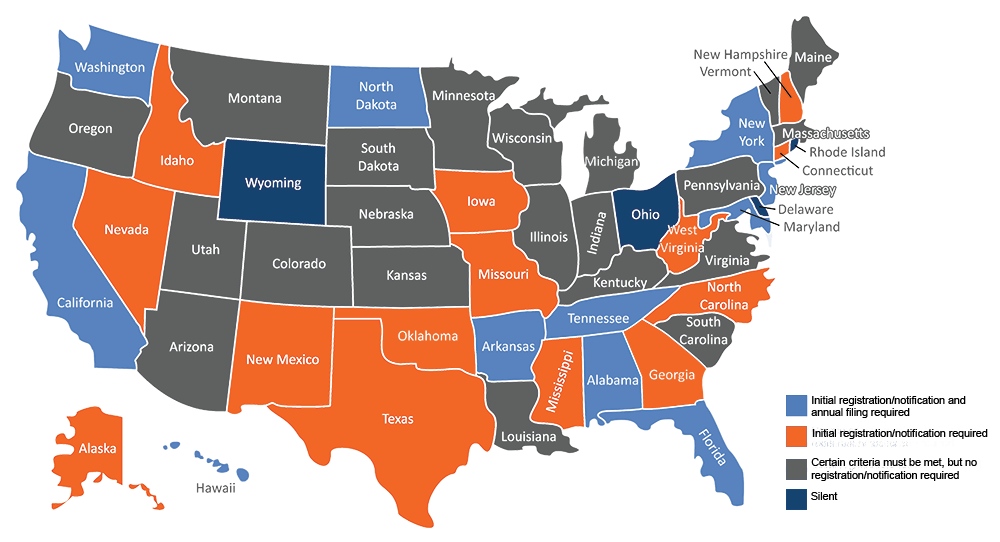
Understanding the Patchwork of Insurance Regulations Across the US
Navigating the insurance landscape in the United States can feel like traversing a complex maze. Unlike some industries governed by strong federal oversight, insurance is primarily regulated at the state level. This means that the rules, requirements, and consumer protections can vary significantly depending on where you live or where your business operates. Understanding these state-specific insurance regulations is crucial for both consumers seeking coverage and insurance companies aiming to provide services across state lines.
Why State-Level Regulation?
The history of insurance regulation in the US is rooted in the principle of states' rights. The McCarran-Ferguson Act of 1945 solidified this principle by exempting the insurance industry from most federal antitrust laws to the extent that state law regulates it. This act effectively delegated the responsibility of overseeing insurance companies and ensuring fair practices to the individual states. The reasoning behind this was that local conditions and concerns could be better addressed by state regulators who were more familiar with the specific needs of their residents and businesses.
Key Areas Governed by State Insurance Regulations
State insurance regulations cover a wide range of topics, including:
- Licensing of Insurance Companies and Agents
- Financial Solvency and Stability of Insurers
- Policy Forms and Rate Approval
- Claims Handling Practices
- Consumer Protection and Dispute Resolution
Licensing of Insurance Companies and Agents
Each state has its own requirements for insurance companies and agents to be licensed to operate within its borders. This includes meeting specific capital requirements, demonstrating financial stability, and passing competency exams. State licensing ensures that insurance providers are qualified and capable of fulfilling their obligations to policyholders. The National Association of Insurance Commissioners (NAIC) provides a platform for states to coordinate their licensing efforts and share information about insurance companies and agents.
Financial Solvency and Stability of Insurers
A primary concern of state insurance regulators is ensuring the financial health of insurance companies. This involves monitoring their financial performance, requiring them to maintain adequate reserves, and conducting regular audits. The goal is to prevent insurer insolvency and protect policyholders from potential losses if an insurance company goes bankrupt. States also participate in guaranty funds, which provide a safety net for policyholders in the event of an insurer failure.
Policy Forms and Rate Approval
Most states require insurance companies to submit their policy forms and rates for approval before they can be offered to consumers. This process allows regulators to review the terms and conditions of the policies to ensure they are fair, clear, and not misleading. Rate approval helps to prevent excessive or unfairly discriminatory pricing. The level of rate regulation varies by state, with some states having more stringent requirements than others.
Claims Handling Practices
State insurance regulations also address how insurance companies handle claims. These regulations aim to ensure that claims are processed fairly, promptly, and in accordance with the terms of the policy. States often have specific timelines for claims investigations and payments, as well as penalties for unfair claims practices. Consumers who believe they have been treated unfairly by an insurance company can file a complaint with the state insurance department.
Consumer Protection and Dispute Resolution
Protecting consumers is a central focus of state insurance regulations. This includes providing consumers with clear and accurate information about insurance products, ensuring fair sales practices, and offering avenues for dispute resolution. State insurance departments typically have consumer assistance divisions that can help consumers understand their rights, file complaints, and resolve disputes with insurance companies. Many states also offer mediation or arbitration programs to help resolve insurance disputes.
Examples of State-Specific Insurance Regulations
To illustrate the diversity of state insurance regulations, here are some examples:
- California: Known for its strong consumer protection laws, California has strict regulations regarding auto insurance, including mandatory uninsured motorist coverage.
- New York: New York has a "no-fault" auto insurance system, meaning that drivers are typically reimbursed for their medical expenses and lost wages by their own insurance company, regardless of who was at fault in the accident.
- Florida: Florida has unique regulations regarding property insurance due to its high risk of hurricanes and other natural disasters.
- Texas: Texas has a relatively deregulated insurance market, with less state oversight of rates and policy forms compared to some other states.
California's Proposition 103
California's Proposition 103, passed in 1988, is a landmark example of consumer-driven insurance regulation. It mandates that insurance rates be approved by the state insurance commissioner and prohibits insurance companies from using certain factors, such as credit scores, to set rates. Proposition 103 has had a significant impact on the California insurance market and has served as a model for consumer advocates in other states.
Florida's Hurricane Deductibles
Due to the high risk of hurricanes, Florida property insurance policies often have separate deductibles for hurricane damage. These deductibles can be significantly higher than standard deductibles and can be calculated as a percentage of the insured value of the property. Understanding Florida's hurricane deductible rules is crucial for homeowners in the state.
The Role of the National Association of Insurance Commissioners (NAIC)
While insurance regulation is primarily a state responsibility, the National Association of Insurance Commissioners (NAIC) plays an important role in coordinating and harmonizing insurance regulations across the states. The NAIC is a voluntary organization of state insurance regulators that develops model laws, regulations, and guidelines for the insurance industry. These model laws are not binding on the states, but they often serve as a starting point for state legislation and regulation.
Staying Compliant with State Insurance Regulations
For insurance companies operating in multiple states, compliance with state insurance regulations can be a significant challenge. Companies must navigate a complex web of laws, regulations, and reporting requirements that vary from state to state. Failure to comply with these regulations can result in penalties, fines, and even the loss of their license to operate in a particular state. Therefore, it is essential for insurance companies to have robust compliance programs in place to ensure they are meeting all applicable state requirements.
Resources for Consumers and Insurance Professionals
Numerous resources are available to help consumers and insurance professionals navigate the complexities of state insurance regulations. These include:
- State Insurance Departments: Each state has its own insurance department that provides information and assistance to consumers and regulates the insurance industry within the state.
- The National Association of Insurance Commissioners (NAIC): The NAIC website provides information about insurance regulation, model laws, and consumer resources.
- Insurance Trade Associations: Various insurance trade associations provide resources and information for insurance professionals.
- Legal Professionals: Attorneys specializing in insurance law can provide legal advice and representation to both consumers and insurance companies.
The Future of State Insurance Regulation
The future of state insurance regulation is likely to be shaped by several factors, including technological advancements, evolving consumer expectations, and potential federal involvement. As technology continues to transform the insurance industry, state regulators will need to adapt their regulations to address new challenges and opportunities. The rise of insurtech companies, the increasing use of data analytics, and the growing importance of cybersecurity are all areas that are likely to require regulatory attention. Furthermore, the debate over the appropriate balance between state and federal regulation of insurance is likely to continue, particularly in areas such as health insurance and financial regulation.

0 Comments