
The Evolving Palate: How Consumer Behavior is Reshaping the Food Industry
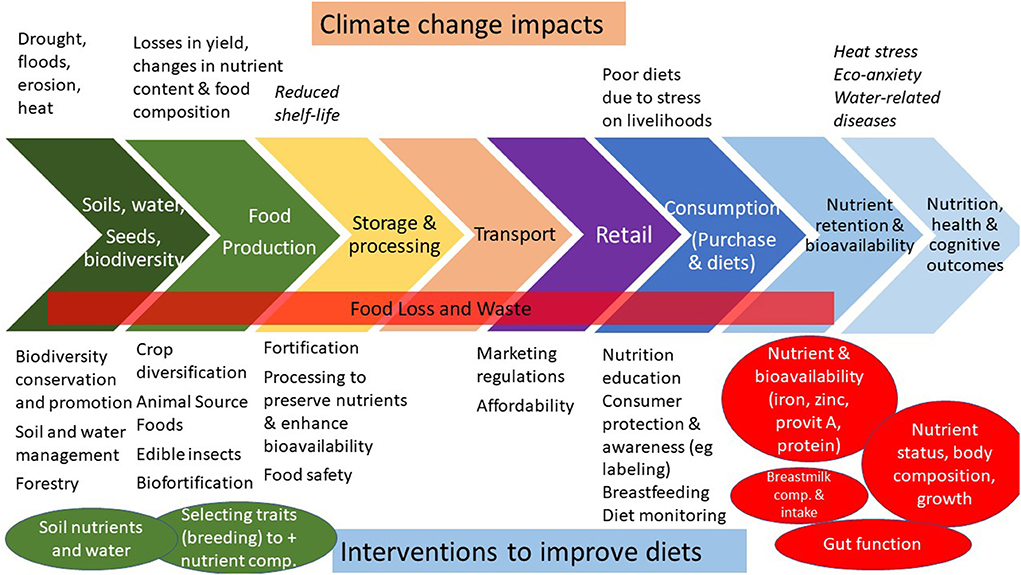
The food industry is in constant flux, driven by the ever-changing tastes, preferences, and priorities of consumers. Understanding these shifts in consumer behavior is crucial for businesses to stay relevant, competitive, and successful. This article delves into the key ways consumer behavior is impacting the food industry, exploring the trends that are shaping the future of food.
Health and Wellness: A Top Priority
Consumers are increasingly health-conscious and proactive about their well-being. This translates to a growing demand for healthier food options, including:
- Lower sugar, salt, and fat content: Processed foods are facing scrutiny, with consumers seeking alternatives with reduced levels of unhealthy ingredients.
- Organic and natural foods: The desire for clean labels and minimal processing is driving the popularity of organic and natural products.
- Plant-based diets: Vegetarian, vegan, and flexitarian lifestyles are gaining traction, leading to a surge in plant-based meat and dairy alternatives.
- Functional foods and beverages: Products that offer specific health benefits, such as improved gut health or enhanced immunity, are attracting attention.
The food industry is responding by reformulating existing products, developing new health-focused offerings, and investing in research and development to meet these evolving demands.
The Rise of Personalized Nutrition
Beyond general health and wellness, consumers are also interested in personalized nutrition plans tailored to their individual needs and genetic makeup. This trend is fueling the growth of services that offer customized meal plans, supplement recommendations, and dietary advice based on individual data. Food companies are exploring ways to leverage data and technology to offer personalized food products and services.
Sustainability and Ethical Sourcing: Eating with a Conscience
Consumers are becoming increasingly aware of the environmental and social impact of their food choices. They are seeking out brands that prioritize sustainability and ethical sourcing, including:
- Reduced carbon footprint: Consumers are concerned about the environmental impact of food production and transportation, leading to a demand for locally sourced and sustainably produced foods.
- Sustainable packaging: Single-use plastics are under fire, with consumers seeking alternatives made from recycled or biodegradable materials.
- Ethical labor practices: Consumers want to ensure that the food they consume is produced under fair and safe working conditions.
- Animal welfare: Concerns about animal welfare are driving the demand for cage-free eggs, grass-fed beef, and other ethically raised animal products.
The food industry is responding by implementing sustainable practices throughout the supply chain, investing in eco-friendly packaging, and promoting transparency about their sourcing and production methods.
Food Waste Reduction: A Collective Responsibility
Food waste is a significant environmental and economic problem. Consumers are becoming more aware of this issue and are taking steps to reduce their own food waste, such as:
- Planning meals and shopping lists: Reducing impulse purchases and buying only what is needed.
- Proper food storage: Extending the shelf life of food items.
- Composting food scraps: Diverting food waste from landfills.
- Supporting restaurants and retailers that prioritize food waste reduction: Choosing businesses that actively work to minimize food waste.
The food industry is also playing a role by developing innovative packaging solutions, improving supply chain efficiency, and donating surplus food to charities.
Convenience and Speed: The Need for Instant Gratification
In today's fast-paced world, convenience is a major driver of consumer behavior. People are looking for quick and easy meal solutions that fit into their busy lifestyles. This has led to the growth of:
- Meal kits: Providing pre-portioned ingredients and recipes for easy home cooking.
- Ready-to-eat meals: Offering convenient and nutritious meal options that require minimal preparation.
- Online grocery delivery: Allowing consumers to shop for groceries from the comfort of their own homes.
- Restaurant delivery services: Expanding the reach of restaurants and providing consumers with a wider range of dining options.
The food industry is responding by investing in technology and infrastructure to improve convenience and speed up the delivery process.
The Blurring Lines Between Retail and Foodservice
The lines between retail and foodservice are becoming increasingly blurred, with grocery stores offering prepared meals and restaurants selling groceries. This trend reflects the growing demand for convenience and the desire for a seamless shopping and dining experience. Food businesses are adapting by offering hybrid models that combine retail and foodservice elements.
Technology and Innovation: Transforming the Food Experience
Technology is playing an increasingly important role in the food industry, transforming everything from food production to consumption. Some key technological trends include:
- Artificial intelligence (AI): Used to optimize supply chains, personalize food recommendations, and improve food safety.
- Internet of Things (IoT): Connecting devices and sensors to monitor food quality and track food shipments.
- Blockchain technology: Enhancing transparency and traceability in the food supply chain.
- 3D printing: Creating customized food products with unique shapes and textures.
The food industry is investing in technology to improve efficiency, reduce costs, and enhance the consumer experience.
The Power of Social Media and Influencer Marketing
Social media has become a powerful tool for influencing consumer behavior. Consumers are using social media to discover new food products, share their food experiences, and connect with food brands. Influencer marketing is also playing a significant role, with food bloggers and social media personalities promoting products and influencing purchasing decisions. Food businesses are leveraging social media to build brand awareness, engage with consumers, and drive sales.

0 Comments