
Understanding Winter Utility Costs
Winter can be a beautiful season, but it often comes with a significant increase in utility bills. Heating costs skyrocket as we try to keep our homes warm and comfortable. Understanding the factors that contribute to these higher bills is the first step towards saving money on utilities during the winter months. These factors include:
- Heating: The primary driver of increased utility costs. Furnaces, heat pumps, and space heaters consume a significant amount of energy.
- Lighting: Shorter daylight hours mean we rely more on artificial lighting, increasing electricity consumption.
- Water Heating: Hot water usage can increase in winter as people take longer, warmer showers and baths.
- Drafts and Insulation: Poor insulation and leaky windows and doors allow heat to escape, forcing heating systems to work harder.
Simple and Effective Ways to Reduce Heating Costs
Heating is often the biggest expense during winter. Here are some straightforward steps you can take to minimize your heating bill:
Adjust Your Thermostat Strategically
One of the easiest ways to save money is to adjust your thermostat. Consider these strategies:
- Lower the thermostat when you're asleep or away: Even a few degrees can make a noticeable difference. Aim for 68°F (20°C) when you're home and awake, and lower it to 62°F (17°C) or even lower when you're asleep or out of the house. A programmable thermostat can automate this process.
- Use a programmable thermostat: Set it to automatically adjust the temperature based on your schedule. This eliminates the need to manually adjust the thermostat and ensures you're not heating an empty house.
- Don't crank up the heat to warm the house faster: Your furnace heats at the same rate regardless of the thermostat setting. Turning it up higher won't make it warm up faster; it will just overheat the house and waste energy.
Seal Drafts and Insulate Properly
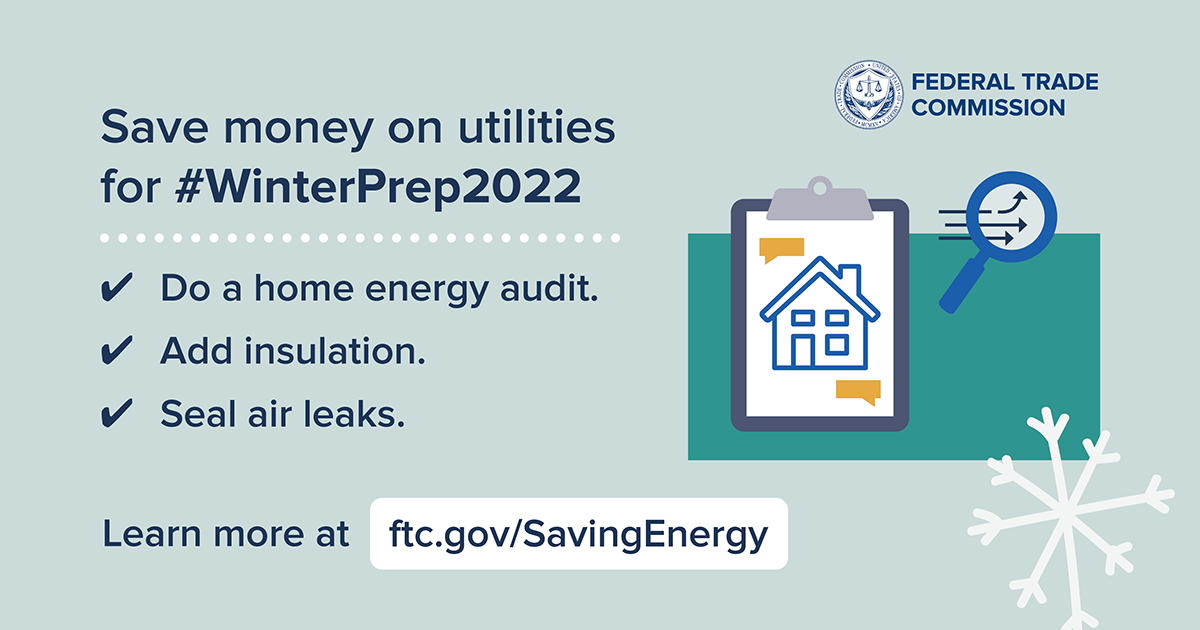
Drafts and poor insulation allow heat to escape, forcing your heating system to work harder and consume more energy. Addressing these issues can significantly reduce your heating costs.
- Seal windows and doors: Use weather stripping or caulk to seal gaps and cracks around windows and doors. This prevents cold air from entering and warm air from escaping.
- Insulate your attic and walls: Proper insulation is crucial for preventing heat loss. Check the insulation levels in your attic and walls and add more if needed.
- Use door sweeps: Install door sweeps on exterior doors to prevent drafts from entering under the door.
- Cover drafty windows with plastic sheeting: This creates an extra layer of insulation and helps to reduce heat loss.
Optimize Your Heating System
Ensuring your heating system is working efficiently is essential for minimizing energy consumption.
- Schedule regular maintenance: Have your furnace or heat pump serviced annually by a qualified technician. This ensures it's running efficiently and can identify potential problems before they become major issues.
- Change your furnace filter regularly: A dirty filter restricts airflow, making your furnace work harder and less efficiently. Change the filter every one to three months, depending on the type of filter and your usage.
- Bleed radiators: If you have radiators, bleed them regularly to remove trapped air. This ensures they heat properly and efficiently.
- Consider a smart thermostat: Smart thermostats learn your heating and cooling patterns and adjust the temperature automatically to optimize energy savings. They can also be controlled remotely via your smartphone.
Reducing Water Heating Costs
Water heating is another significant energy expense, especially during winter when we tend to use more hot water.
Conserve Hot Water Usage
Simple changes in your habits can significantly reduce your hot water consumption.
- Take shorter showers: Reducing your shower time by just a few minutes can save a significant amount of water and energy.
- Fix leaky faucets: A dripping faucet can waste gallons of water per day. Repair leaky faucets promptly.
- Wash clothes in cold water: Most laundry detergents work effectively in cold water, and washing clothes in cold water can save a significant amount of energy.
- Only run the dishwasher when it's full: Avoid running the dishwasher with only a few items. Wait until it's full to maximize efficiency.
Optimize Your Water Heater
Ensuring your water heater is working efficiently is crucial for minimizing energy consumption.
- Lower your water heater temperature: Most water heaters are set to 140°F (60°C), but 120°F (49°C) is usually sufficient for most households. Lowering the temperature can save energy and reduce the risk of scalding.
- Insulate your water heater: Wrap your water heater with an insulation blanket to reduce heat loss.
- Consider a tankless water heater: Tankless water heaters heat water on demand, eliminating the need to store hot water and reducing standby heat loss.
Saving on Lighting Costs
With shorter days during winter, we rely more on artificial lighting. Switching to energy-efficient lighting can significantly reduce your electricity bill.
Switch to Energy-Efficient Lighting
LEDs are the most energy-efficient lighting option available.
- Replace incandescent bulbs with LEDs: LEDs use up to 75% less energy and last much longer than incandescent bulbs.
- Use task lighting: Instead of lighting an entire room, use task lighting to illuminate specific areas where you need light.
- Turn off lights when you leave a room: This simple habit can save a significant amount of energy over time.
- Consider using dimmer switches: Dimmer switches allow you to adjust the brightness of your lights, which can save energy and create a more comfortable ambiance.
Other Tips for Saving Money on Utilities
Beyond heating, water heating, and lighting, there are other ways to reduce your utility bills during winter.
Reduce Appliance Usage
Appliances consume energy even when they're not in use.
- Unplug electronics when not in use: Many electronics consume energy even when they're turned off. Unplug them to eliminate "phantom" energy drain.
- Use energy-efficient appliances: When replacing appliances, choose energy-efficient models that are ENERGY STAR certified.
- Limit use of space heaters: Space heaters can be expensive to operate. Use them sparingly and only in small, enclosed spaces.
Take Advantage of Natural Sunlight
Sunlight is a free and natural source of light and heat.
- Open curtains and blinds during the day: Allow sunlight to enter your home to warm it up naturally.
- Close curtains and blinds at night: This helps to insulate your windows and prevent heat loss.
Review Your Utility Bills
Understanding your utility bills can help you identify areas where you can save money.
- Track your energy usage: Monitor your energy consumption over time to identify trends and areas where you can reduce usage.
- Compare rates from different providers: Shop around for the best rates from different utility providers.
- Look for rebates and incentives: Many utility companies offer rebates and incentives for energy-efficient upgrades.

0 Comments