
Understanding Insurance Premiums and Why They Matter
Insurance premiums are the payments you make to an insurance company in exchange for coverage. Whether it's car insurance protecting you financially in case of an accident, or home insurance safeguarding your property from damage and theft, understanding how premiums are calculated is the first step towards saving money. Factors like your driving record, credit score (in some states), location, and the coverage limits you choose all play a role in determining your premium. Higher risk translates to higher premiums, while lower risk usually results in lower costs.
Saving Money on Car Insurance Premiums
Car insurance can be a significant expense, but there are several strategies you can employ to lower your premiums. Let's explore some effective methods:
Shop Around and Compare Quotes
Never settle for the first quote you receive. Insurance companies use different formulas to calculate premiums, so prices can vary significantly. Obtain quotes from multiple insurers – at least three to five – to compare coverage options and prices. Online comparison tools can streamline this process, allowing you to see quotes from various companies side-by-side. Remember to compare apples to apples – ensure you're comparing similar coverage levels and deductibles.
Increase Your Deductible
Your deductible is the amount you pay out-of-pocket before your insurance coverage kicks in. Increasing your deductible can significantly lower your premium. For example, raising your deductible from $500 to $1000 could save you hundreds of dollars per year. However, make sure you can comfortably afford the higher deductible if you need to file a claim. Consider your risk tolerance and financial situation before making this change.
Maintain a Clean Driving Record
Your driving record is a major factor in determining your car insurance premium. Accidents, speeding tickets, and other traffic violations can lead to higher rates. Practice safe driving habits, obey traffic laws, and avoid accidents to maintain a clean record. Some insurance companies offer discounts for drivers with a long history of safe driving.
Take Advantage of Discounts
Insurance companies offer a variety of discounts to attract customers. Be sure to inquire about all available discounts when shopping for car insurance. Common discounts include:
- Good Student Discount: For students with good grades.
- Safe Driver Discount: For drivers with a clean driving record.
- Multi-Policy Discount: For bundling your car and home insurance with the same company.
- Low Mileage Discount: For drivers who drive fewer miles per year.
- Vehicle Safety Features Discount: For vehicles equipped with anti-lock brakes, airbags, and other safety features.
Don't be afraid to ask your insurance agent about any discounts you may be eligible for.
Consider Usage-Based Insurance
Usage-based insurance (UBI) programs, also known as pay-as-you-drive insurance, track your driving habits using a telematics device or smartphone app. The insurance company then uses this data to calculate your premium. Safe drivers who drive fewer miles, brake gently, and avoid risky behaviors can save money with UBI. However, aggressive drivers may see their premiums increase.
Review Your Coverage Regularly
Your insurance needs may change over time. Regularly review your coverage to ensure it still meets your needs. If you've paid off your car loan, you may be able to drop collision and comprehensive coverage. If you've moved to a safer neighborhood, you may be able to reduce your liability coverage. Periodically reassessing your coverage can help you identify opportunities to save money.
Saving Money on Home Insurance Premiums
Protecting your home with insurance is essential, but it doesn't have to break the bank. Here's how to lower your home insurance premiums:
Shop Around and Compare Quotes
Just like with car insurance, it's crucial to shop around and compare quotes from multiple home insurance companies. Prices can vary significantly depending on the insurer, so getting several quotes is essential. Online comparison tools can help you quickly compare rates and coverage options.
Increase Your Deductible
Increasing your deductible is one of the most effective ways to lower your home insurance premium. A higher deductible means you'll pay more out-of-pocket if you file a claim, but it also translates to lower monthly payments. Consider your financial situation and risk tolerance when deciding on a deductible amount.
Improve Home Security
Insurance companies offer discounts for homes with security features that reduce the risk of theft and damage. Installing a security system, smoke detectors, and deadbolt locks can qualify you for discounts. Consider adding features like a monitored alarm system, security cameras, and reinforced doors and windows to further enhance your home's security.
Maintain Your Home
Regular home maintenance can prevent costly repairs and reduce the risk of filing a claim. Keep your roof in good condition, clean your gutters, and inspect your plumbing and electrical systems regularly. Addressing potential problems early can prevent them from escalating into major issues that require insurance claims.
Consider Bundling Policies
Bundling your home and auto insurance with the same company can often result in significant savings. Many insurers offer multi-policy discounts to customers who purchase multiple policies. Inquire about bundling options when shopping for insurance.
Review Your Coverage Annually
Your home insurance needs may change over time. Review your coverage annually to ensure it still meets your needs. If you've made improvements to your home, such as installing a new roof or upgrading your electrical system, you may be able to lower your premium. Conversely, if you've added valuable possessions to your home, you may need to increase your coverage limits.
Improve Your Credit Score
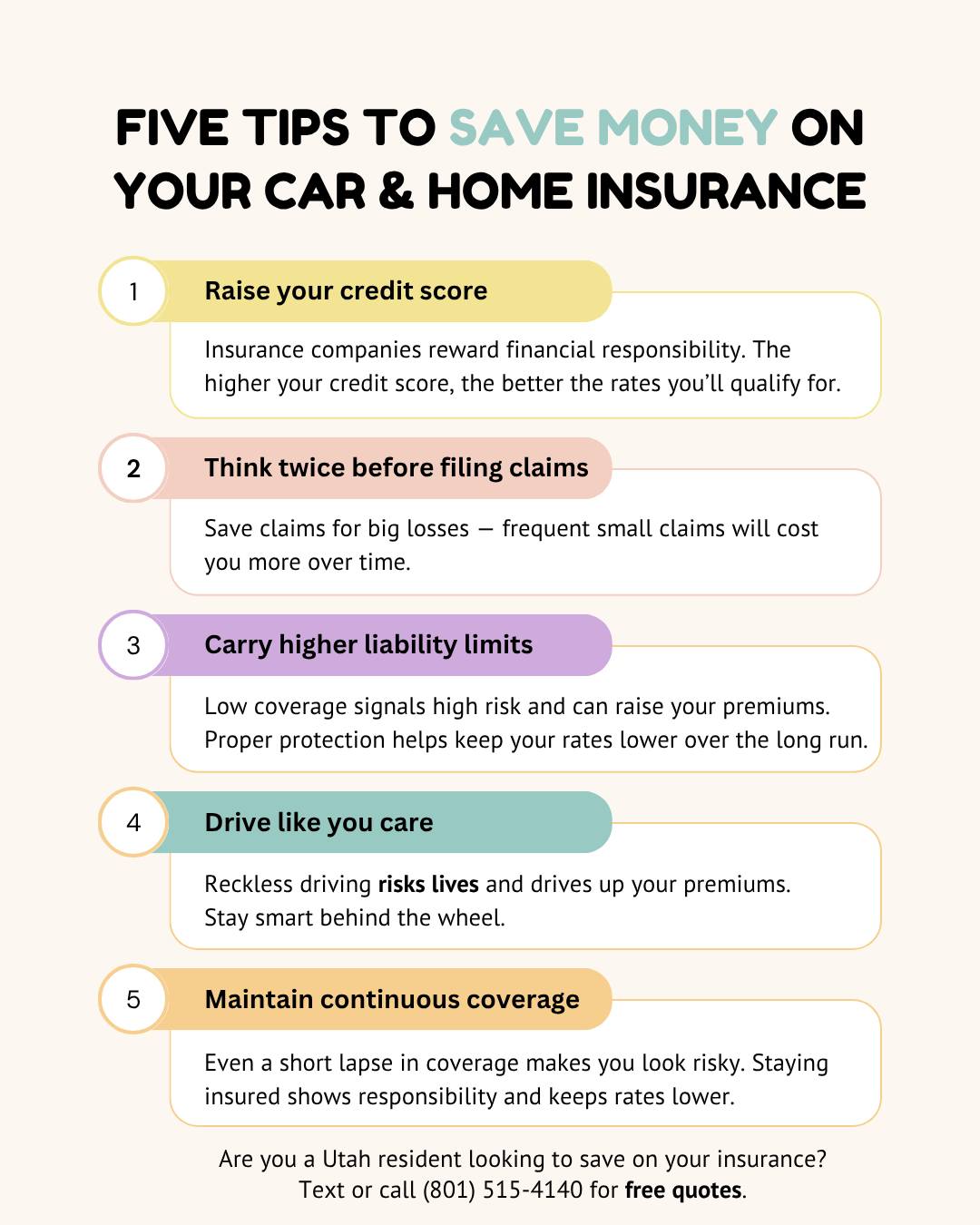
In many states, insurance companies use credit scores to determine home insurance premiums. A good credit score can result in lower rates, while a poor credit score can lead to higher premiums. Improve your credit score by paying your bills on time, reducing your debt, and avoiding new credit applications.
Avoid Filing Small Claims
Filing multiple small claims can increase your home insurance premium. Consider paying for minor repairs out-of-pocket to avoid filing claims. While insurance is there to protect you from significant losses, frequent claims can make you appear like a higher-risk customer to insurers.

0 Comments