
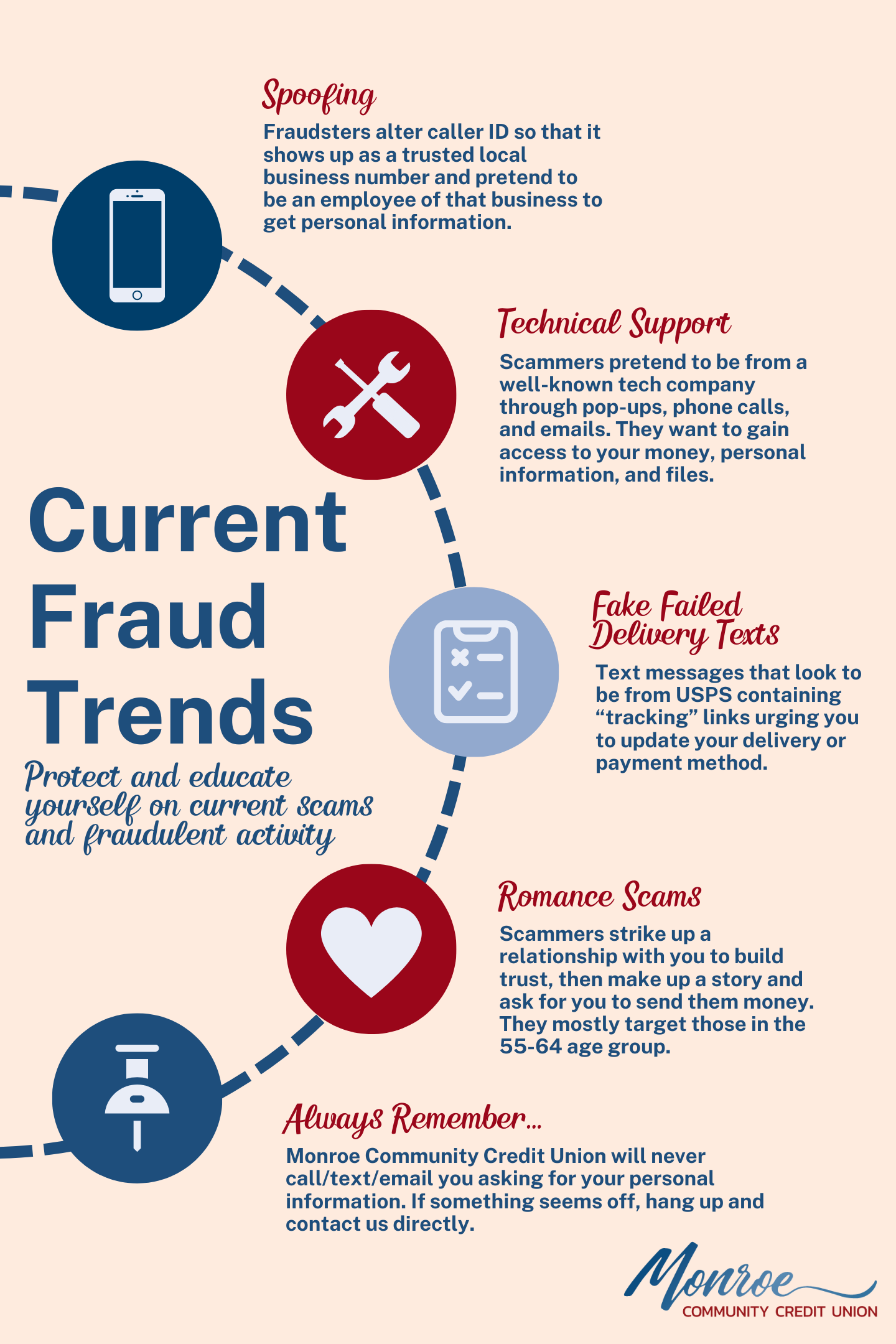
Understanding the Threat: Identity Theft and Fraud
In today's digital age, identity theft and fraud are pervasive threats that can have devastating consequences. Understanding how these crimes work and the potential damage they can inflict is the first step in protecting yourself. Identity theft occurs when someone steals your personal information, such as your Social Security number, credit card details, or bank account information, and uses it for their own gain. This can lead to financial losses, damage to your credit score, and even legal issues.
Fraud, on the other hand, encompasses a broader range of deceptive practices. It can involve scams, phishing attempts, and other schemes designed to trick you into handing over your money or personal information. While identity theft often leads to fraud, fraud can also occur without your identity being stolen. For example, you might fall victim to a fake lottery scam or a fraudulent investment opportunity.
Recognizing the Signs: Are You a Victim?
Knowing the warning signs of identity theft and fraud is crucial for early detection and mitigation. Some common indicators include:
- Unexplained charges on your credit card or bank statements.
- Bills for accounts you didn't open.
- Denials of credit applications you made.
- Unfamiliar calls or emails from debt collectors.
- Missing mail, especially financial statements or credit card offers.
- A sudden drop in your credit score.
- Suspicious activity on your Social Security account.
If you notice any of these signs, it's crucial to take immediate action. Contact your bank and credit card companies to report the suspicious activity. File a police report and report the incident to the Federal Trade Commission (FTC). The sooner you act, the better your chances of minimizing the damage.
Strengthening Your Defenses: Proactive Measures
The best way to protect yourself from identity theft and fraud is to take proactive measures to secure your personal information and be vigilant about potential scams. Here are some essential steps you can take:
Protecting Your Social Security Number
Your Social Security number (SSN) is a key piece of information that can be used to steal your identity. Treat it with utmost care and avoid sharing it unnecessarily. Here's how to protect it:
- Memorize your SSN and avoid carrying your Social Security card with you.
- Only provide your SSN when absolutely necessary and when you trust the recipient.
- Shred any documents that contain your SSN before discarding them.
- Be wary of requests for your SSN over the phone or online, especially if you didn't initiate the contact.
Securing Your Financial Accounts
Your financial accounts are prime targets for identity thieves and fraudsters. Take these steps to protect them:
- Use strong, unique passwords for all your online accounts, including your bank, credit card, and investment accounts.
- Enable two-factor authentication (2FA) whenever possible. This adds an extra layer of security by requiring a code from your phone or email in addition to your password.
- Monitor your bank and credit card statements regularly for any unauthorized transactions.
- Set up account alerts to notify you of suspicious activity, such as large withdrawals or unusual spending patterns.
- Be cautious of phishing emails or phone calls that ask for your financial information. Never click on links or provide sensitive information in response to unsolicited requests.
Safeguarding Your Online Activity
The internet offers many opportunities for identity theft and fraud. Follow these tips to stay safe online:
- Use a strong password manager to generate and store your passwords securely.
- Be wary of suspicious websites and avoid clicking on links from unknown sources.
- Keep your computer's operating system, browser, and antivirus software up to date.
- Use a virtual private network (VPN) when connecting to public Wi-Fi networks to encrypt your internet traffic.
- Be careful about what you share on social media. Avoid posting personal information that could be used to steal your identity, such as your birthday, address, or phone number.
Managing Your Mail and Documents
Physical mail and documents can also be a source of identity theft. Take these precautions:
- Collect your mail promptly and don't let it sit in your mailbox for extended periods.
- Shred any documents that contain personal information before discarding them, including bank statements, credit card offers, and medical bills.
- Opt out of receiving pre-approved credit card offers by visiting optoutprescreen.com.
- Be wary of mail that looks like it's from a government agency or financial institution but contains errors or inconsistencies.
Being Cautious of Scams
Scammers are constantly developing new and sophisticated ways to trick people into giving them their money or personal information. Be aware of common scam tactics and learn how to spot them:
- Be suspicious of unsolicited offers or requests for money, especially if they come from strangers.
- Never wire money to someone you don't know.
- Be wary of high-pressure sales tactics or demands for immediate payment.
- Don't fall for emotional appeals or sob stories.
- Verify the identity of anyone who contacts you claiming to be from a government agency or financial institution.
- If something sounds too good to be true, it probably is.
Reacting to a Breach: What to Do If You're a Victim
Even with the best precautions, you may still become a victim of identity theft or fraud. If you suspect that your identity has been compromised, take these steps immediately:
- Contact your bank and credit card companies to report the fraudulent activity and close any compromised accounts.
- File a police report to document the crime.
- Report the identity theft to the Federal Trade Commission (FTC) at IdentityTheft.gov.
- Place a fraud alert on your credit reports by contacting one of the three major credit bureaus: Equifax, Experian, or TransUnion.
- Consider placing a credit freeze on your credit reports. This will prevent new accounts from being opened in your name without your permission.
- Monitor your credit reports regularly for any signs of fraudulent activity.
Recovering from identity theft can be a long and challenging process, but it's important to take action quickly to minimize the damage and protect your financial future.

0 Comments