
Understanding Debt Validation and Why It Matters
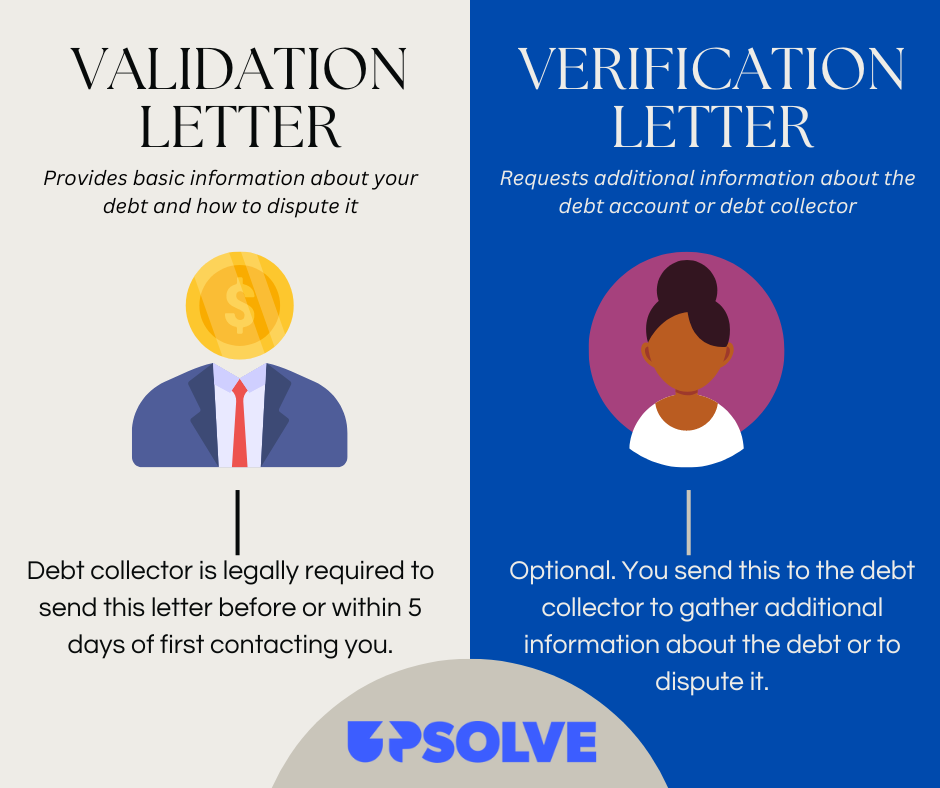
Dealing with debt collectors can be stressful, especially when you're unsure about the validity of the debt. A debt validation letter is a powerful tool that allows you to request proof that a debt collector has the legal right to collect a debt from you. This process is crucial for protecting yourself from inaccurate or fraudulent debt claims. Understanding your rights under the Fair Debt Collection Practices Act (FDCPA) is the first step towards effectively negotiating a debt validation letter and potentially resolving the debt in your favor.
The FDCPA grants you the right to request validation of a debt within 30 days of the initial contact from a debt collector. This request forces the collector to provide evidence that the debt is legitimate, including the original creditor's name, the amount of the debt, and documentation proving you are responsible for it. If the debt collector fails to provide this validation, they are legally obligated to cease collection efforts.
Crafting a Strong Debt Validation Letter
The effectiveness of your debt validation process hinges on the strength and clarity of your initial letter. A well-crafted letter not only asserts your rights but also sets the stage for potential negotiation. Here's how to create a compelling debt validation letter:
1. Use a Template and Tailor It
While you can find numerous debt validation letter templates online, avoid simply copying and pasting. Customize the template to reflect your specific situation. Include the debt collector's name and address, the account number they provided (if any), and the date of their initial communication. Clearly state that you are requesting validation of the alleged debt under the FDCPA.
2. Request Specific Information
Don't just ask for "validation." Be specific about the information you require. Ask for the following:
- A copy of the original contract or agreement that created the debt.
- The name and address of the original creditor.
- An itemized statement showing how the debt was calculated, including any interest, fees, or charges.
- Proof that the debt collector has the legal right to collect the debt from you. This might include documentation showing they purchased the debt from the original creditor.
- Verification of your name and address associated with the debt.
By being specific, you increase the likelihood of receiving a comprehensive response from the debt collector.
3. Clearly State Your Intent
In your letter, clearly state that you are not acknowledging the debt and that you are simply exercising your right to request validation. This prevents the debt collector from interpreting your request as an admission of guilt. You can also include a statement like, "This is not a refusal to pay, but a formal request for verification under the Fair Debt Collection Practices Act."
4. Send the Letter via Certified Mail with Return Receipt Requested
This provides proof that the debt collector received your letter and when they received it. This documentation can be invaluable if you need to take further legal action.
5. Keep a Copy for Your Records
Maintain a copy of the letter and the return receipt for your records. This will serve as evidence of your request and the debt collector's response (or lack thereof).
Analyzing the Debt Collector's Response
Once you receive a response from the debt collector, carefully analyze the information they provide. Look for inconsistencies, errors, or omissions that could invalidate the debt. Here are some key things to look for:
1. Check for Complete Documentation
Did the debt collector provide all the information you requested? If they failed to provide a copy of the original contract, an itemized statement, or proof of ownership of the debt, their validation may be insufficient. An incomplete response is a strong negotiating point.
2. Verify Accuracy of Information
Compare the information provided by the debt collector with your own records. Is the account number correct? Is the debt amount accurate? Are your name and address properly listed? Any discrepancies could indicate that the debt is not yours or that the debt collector is making errors.
3. Look for Statute of Limitations Issues
Each state has a statute of limitations on debt, which is the time period during which a creditor can sue you to collect a debt. If the debt is beyond the statute of limitations, the debt collector cannot legally sue you to collect it. While they can still attempt to collect, you have a strong defense against legal action. Check your state's statute of limitations for the type of debt in question. The debt collector should be able to provide the date of last activity on the account, which helps determine if the statute of limitations has passed.
4. Identify Potential FDCPA Violations
Debt collectors are required to follow the FDCPA, which prohibits them from using abusive, unfair, or deceptive practices. If you believe the debt collector has violated the FDCPA, document the violation and consider reporting it to the Consumer Financial Protection Bureau (CFPB) or your state's attorney general. FDCPA violations can be used as leverage in negotiations.
Negotiating a Settlement Based on the Debt Validation Response
After analyzing the debt collector's response, you're in a stronger position to negotiate a settlement. Here's how to approach the negotiation process:
1. Leverage Incomplete Validation
If the debt collector failed to provide complete validation, use this as a negotiating point. You can argue that because they haven't proven the debt is valid, you're only willing to pay a significantly reduced amount, or nothing at all. Start with a very low offer, such as 10-20% of the original debt.
2. Highlight Errors and Inaccuracies
Point out any errors or inaccuracies in the debt collector's response. This demonstrates that you've carefully reviewed the information and that you're not afraid to challenge the debt. Use these errors to justify a lower settlement offer.
3. Address Statute of Limitations Issues
If the debt is close to or beyond the statute of limitations, emphasize this fact in your negotiations. Debt collectors are often willing to settle for a lower amount on older debts, as they are less likely to be able to collect the full amount through legal action.
4. Offer a Lump-Sum Payment
Debt collectors often prefer a lump-sum payment over a payment plan, as it provides them with immediate cash. Offer a lump-sum payment for a reduced amount to incentivize the debt collector to accept your offer.
5. Get the Agreement in Writing
Before making any payment, ensure you have a written agreement with the debt collector that clearly outlines the terms of the settlement, including the amount you will pay, the payment deadline, and a statement that the debt will be considered settled in full upon payment. This agreement protects you from future collection efforts on the same debt.
6. Document All Communication
Keep a record of all communication with the debt collector, including phone calls, emails, and letters. Note the date, time, and content of each communication. This documentation can be helpful if you encounter any problems down the road.
When to Seek Professional Help
Negotiating with debt collectors can be complex and overwhelming. If you're struggling to understand your rights, analyze the debt collector's response, or negotiate a favorable settlement, consider seeking professional help from a credit counselor or a debt attorney. These professionals can provide expert guidance and representation to protect your interests.

0 Comments