
Understanding Debt Settlement
Debt settlement, also known as debt negotiation, is a process where you negotiate with your creditors to pay off a debt for less than the full amount owed. This can be a viable option for individuals struggling to manage their debt and avoid bankruptcy. However, it's crucial to understand the implications and potential risks before pursuing this strategy. Successfully negotiating a debt settlement agreement requires careful planning, research, and a strategic approach.
Is Debt Settlement Right for You?
Before diving into the negotiation process, it's essential to determine if debt settlement is the right solution for your financial situation. Consider these factors:
- Severity of Debt: Debt settlement is typically most effective when you have a significant amount of unsecured debt, such as credit card debt, personal loans, or medical bills.
- Financial Hardship: You should be experiencing genuine financial hardship that makes it difficult to meet your debt obligations. This could include job loss, illness, or other unexpected expenses.
- Ability to Save: Debt settlement requires you to save a lump sum of money to offer as a settlement. You'll need to have the discipline and ability to accumulate these funds.
- Credit Score Impact: Be aware that debt settlement will negatively impact your credit score. It will be reported as "settled for less than the full amount," which can remain on your credit report for seven years.
Preparing for Negotiation: Know Your Finances
Thorough preparation is key to successful debt negotiation. Start by gathering all relevant financial information, including:
- List of Debts: Compile a comprehensive list of all your debts, including the creditor's name, account number, outstanding balance, interest rate, and any late fees.
- Income and Expenses: Create a detailed budget outlining your monthly income and expenses. This will help you determine how much you can realistically afford to pay towards debt settlement.
- Assets: Assess your assets, such as savings accounts, investments, and property. Creditors may inquire about your assets during negotiation.
- Credit Report: Obtain a copy of your credit report to identify any errors or discrepancies that could impact your negotiation.
Researching Your Creditors and Debt Settlement Laws
Understanding your creditors and the laws governing debt settlement is crucial. Consider these steps:
- Creditor Research: Research your creditors' debt settlement policies. Some creditors are more willing to negotiate than others. Look for information on their websites or contact their customer service departments.
- Debt Settlement Laws: Familiarize yourself with federal and state laws related to debt settlement. These laws may provide you with certain protections and rights.
- Statute of Limitations: Understand the statute of limitations on your debts. This is the time period within which a creditor can sue you to collect the debt. If the statute of limitations has expired, the debt may be unenforceable in court. However, settling the debt, or even making a payment towards it, can restart the statute of limitations in some jurisdictions.
Crafting Your Debt Settlement Offer
Your debt settlement offer should be carefully crafted to reflect your financial situation and your willingness to resolve the debt. Here's how to create a compelling offer:
Determine Your Offer Amount
A common starting point for a debt settlement offer is 20% to 50% of the outstanding balance. However, the actual amount you offer will depend on your financial circumstances and the creditor's willingness to negotiate. Consider these factors:
- Your Ability to Pay: Base your offer on what you can realistically afford to pay in a lump sum or over a short period of time.
- Age of the Debt: Older debts may be more negotiable, as creditors may be more willing to accept a lower settlement amount to avoid the risk of not collecting anything at all.
- Creditor's Policies: Research the creditor's debt settlement policies to get an idea of what they typically accept.
Write a Formal Settlement Letter
Your debt settlement offer should be presented in a formal letter. The letter should include the following information:
- Your Name and Contact Information: Include your full name, address, phone number, and email address.
- Creditor's Name and Account Number: Clearly identify the creditor and the account number for the debt you are negotiating.
- Statement of Financial Hardship: Briefly explain your financial hardship and why you are unable to pay the full amount owed.
- Settlement Offer: Clearly state the amount you are offering as a settlement and how you plan to pay it (e.g., lump sum or payment plan).
- Payment Deadline: Specify a deadline for the creditor to respond to your offer.
- Release of Liability: State that acceptance of the settlement offer will constitute a full and final release of liability for the debt.
Negotiating with Your Creditors
The negotiation process can be challenging, but persistence and a well-prepared strategy can increase your chances of success. Here are some tips for negotiating with your creditors:
Be Polite and Professional
Maintain a polite and professional tone throughout the negotiation process. Avoid getting emotional or confrontational, even if the creditor is being difficult.
Be Prepared to Negotiate
Don't expect the creditor to accept your initial offer immediately. Be prepared to negotiate and make counteroffers. Have a maximum amount in mind that you are willing to pay.
Document Everything
Keep a record of all communication with the creditor, including the date, time, and content of phone calls, emails, and letters. This documentation can be helpful if there are any disputes later on.
Highlight Your Financial Hardship
Emphasize your financial hardship and explain why you are unable to pay the full amount owed. Be honest and transparent about your financial situation.
Offer a Lump Sum Payment
Creditors are often more willing to accept a lower settlement amount if you can offer a lump sum payment. This provides them with immediate cash flow and reduces the risk of non-payment.
Don't Be Afraid to Walk Away
If the creditor is unwilling to negotiate a reasonable settlement, don't be afraid to walk away. You may be able to find other debt relief options, such as debt management plans or bankruptcy.
Getting the Agreement in Writing
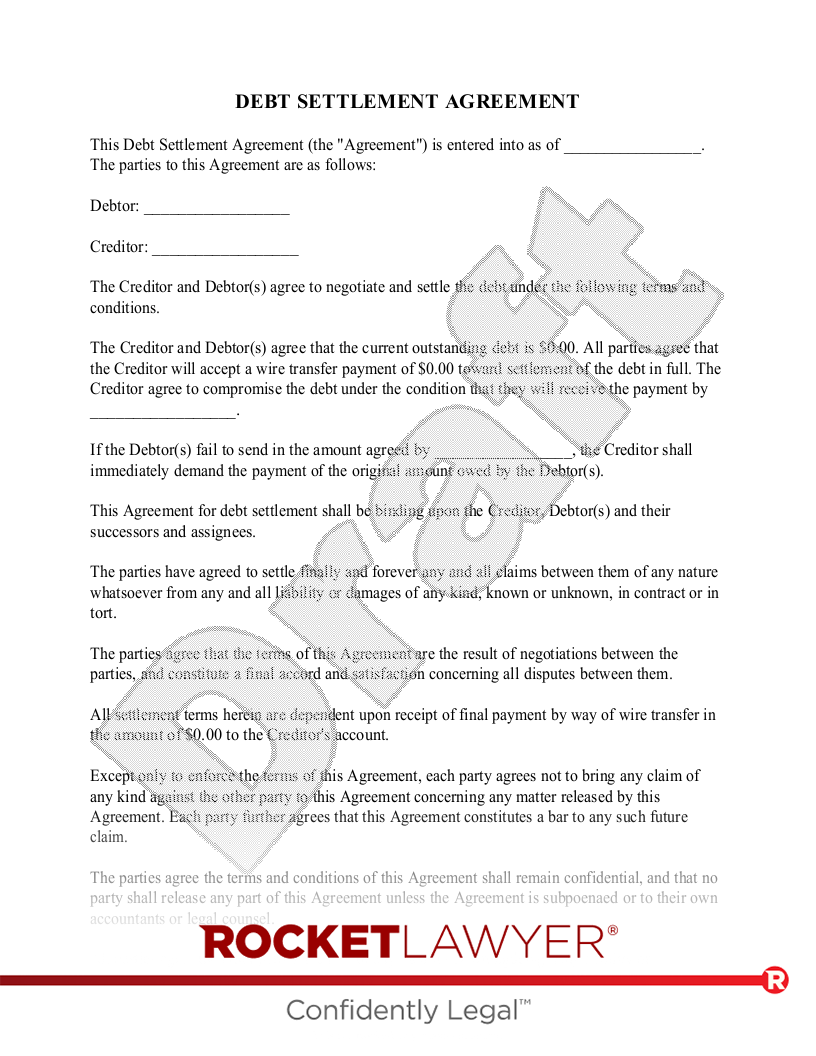
Once you have reached an agreement with the creditor, it's crucial to get the agreement in writing. The written agreement should clearly state the following:
- Amount of the Settlement: Specify the exact amount you will pay to settle the debt.
- Payment Terms: Outline the payment terms, including the due date and method of payment.
- Release of Liability: State that payment of the settlement amount will constitute a full and final release of liability for the debt.
- Reporting to Credit Bureaus: Clarify how the creditor will report the debt to the credit bureaus (e.g., "settled for less than the full amount").
Review the agreement carefully before signing it to ensure that it accurately reflects the terms you negotiated. Keep a copy of the signed agreement for your records.

0 Comments